by Julia Felton | Sep 2, 2025
What’s the biggest gift you can give your team members? No, it’s not a pay rise. It’s not beanbags, a beer fridge, or even a shiny new gym in the office.
It’s your attention.
In this week’s edition of Impactful Teamwork, I unpack why attention is the rarest currency in business right now—and why the ability to be fully present might just be the leadership superpower that separates high-performing teams from those stuck in chaos.
Because let’s be honest: in a world that glorifies busyness, multitasking, and distraction, true attention is radical. It’s disruptive. And it’s exactly what your people are craving.
Why Attention Matters More Than Perks
We’ve been sold a lie that perks, pay rises, and ping-pong tables keep people motivated. Sure, they have their place—but none of those matter if your team feels invisible.
Attention is powerful because:
- It signals worth. When you stop, look, and listen, you tell someone: you matter.
- It creates connection. We are wired for belonging, and undivided attention builds trust at lightning speed.
- It fuels safety. Teams that feel heard are more willing to experiment, take risks, and speak the truth.
Action point:
👉 This week, swap one meeting or email for a 15-minute check-in with a team member where you give them your undivided attention—no phone, no laptop, no multitasking.
The Brutal Truth: Where Attention Goes, Energy Flows
Here’s the kicker: your attention is contagious.
When you’re scattered, your team is scattered. When you’re grounded, they align with you. In fact, attention isn’t just information—it’s an energetic exchange.
Think of sunlight in a forest. The areas you shine your light on grow and flourish. The areas you ignore wither.
So ask yourself: where are you placing your attention right now? On firefighting? On noise? Or on the people and priorities that actually grow your business?
Action point:
👉 Journal for five minutes: What am I paying attention to that drains energy? Where could I redirect attention to spark growth?
Horses Don’t Follow Distracted Leaders
Let me take you to the horse arena. Horses, as prey animals, constantly test for attention. If you’re distracted, they won’t trust you to keep them safe.
A horse sneaking up behind you while you’re lost in thought isn’t just curiosity—it’s a trust test. Fail to notice, and you’ve lost your credibility.
It’s the same in business. Your team won’t give you their trust—or their best work—if you’re half-listening while tapping on a keyboard.
Action point:
👉 Next time someone speaks to you, practise horse-level presence. Stop what you’re doing, turn fully toward them, and hold their gaze. Notice the shift in how they respond.
The Attention Triad: Mental, Emotional, Energetic
Attention isn’t one-dimensional. To truly lead, you need to align three types:
- Mental Attention – Are you actually focused on the conversation, or replaying the last meeting in your head?
- Emotional Attention – Are you dragging frustration, resentment, or distraction into the room?
- Energetic Attention – What vibe are you radiating? Calm focus or frantic chaos?
When these three line up, you create a forcefield of presence. People feel safe, seen, and inspired. When they don’t? Confusion, mistrust, and miscommunication creep in.
Action point:
👉 Before your next meeting, pause. Ask yourself: Where’s my head, where’s my heart, what energy am I transmitting? Adjust before you walk in.
The Three Levels of Attention Every Leader Must Master
- Attention to Self – Tuning into your gut, body, and intuition. (Ignore it at your peril—it often knows before your brain does.)
- Attention to Others – Reading tone, hesitation, and body language. What’s not being said often matters most.
- Attention to Environment – Scanning the bigger picture: market shifts, team dynamics, culture currents.
Miss one of these, and you miss critical data. Nail them, and you become the kind of leader people instinctively follow.
Action point:
👉 In your next 1:1, practise listening not just to words, but to what’s beneath them: body language, tone, energy.
The Cost of Scattered Attention
Here’s the uncomfortable truth: you can’t lead what you’re not paying attention to.
The average leader is interrupted every 8 minutes. Every distraction costs around 20 minutes of recovery time. Add that up, and you can see why so many leaders feel exhausted but unproductive.
And it’s costing more than productivity. Scattered attention erodes trust, drains energy, and leaves your team questioning whether you really see them.
Action point:
👉 Audit your week. Track how often you’re interrupted—and how often you allow it. Then block 90-minute “deep attention zones” where you protect focus fiercely.
The Attention Continuum: Putting vs Placing
Most leaders put their attention where the noise is loudest—the urgent ping of an email, the latest drama, the squeaky wheel in the office. That’s reactive leadership.
Great leaders place their attention where it matters most—on the priorities, people, and conversations that build momentum. That’s deliberate leadership.
Action point:
👉 Identify one noise-driven task you’ll stop putting attention on this week—and one area you’ll consciously place it instead.
The Five Hijackers of Attention
If attention is a superpower, here are the villains trying to steal it:
- Digital Distractions – Phones, pings, notifications.
- Multitasking & Context Switching – Spoiler: only 2% of humans can truly multitask. You’re probably not one of them.
- Reactive Work Patterns – Responding to noise instead of priorities.
- Mental Clutter – Overthinking, replaying, pre-empting.
- Environmental & Lifestyle Factors – Messy desk, poor sleep, skipped meals.
Action point:
👉 Choose one hijacker to tackle this week. Maybe it’s muting notifications, maybe it’s clearing your desk. Small shifts add up.
Attention as a Radical Act of Leadership
Attention is not a luxury. It’s survival. It’s the foundation of trust, energy, and connection—the very things the Unbridled Teamship Roadmap is built on.
When you give attention, you say: I see you. I value you. I trust you.
And here’s the challenge: your attention is contagious. If you’re distracted, your team will mirror that energy. If you’re fully present, they’ll rise with you.
Call to Action
So here’s my challenge to you: this week, choose one place to deliberately place your attention. Watch how it shifts the energy in your team.
And if you’re ready to take this further, discover where your team most needs your focus right now. Take my Turbo-Charge Your Team Quiz at businesshorsepower.com/quiz. Twelve simple questions will show you exactly where attention is leaking impact in your business—and how to redirect it for unstoppable momentum.
Because attention isn’t just the biggest gift you can give your team. It’s the foundation of your leadership legacy.
Show Notes
00:00 Introduction to the Biggest Gift for Your Team
01:18 The Power of Attention in Leadership
05:36 Creating Psychological Safety Through Attention
13:09 The Attention Triad: Mental, Emotional, and Energetic Focus
19:21 Attention Hijackers and How to Overcome Them
24:20 Conclusion and Call to Action
by Julia Felton | Aug 26, 2025
Most leaders obsess over performance targets, quarterly results, and shareholder demands. Yet here’s the uncomfortable truth: without a compelling purpose, all that effort is wasted. Purpose isn’t fluffy marketing speak. Instead, it’s the magnetic field that pulls your team together, ignites energy, and sustains momentum when the going gets tough.
In this week’s edition of Impactful Teamwork, I dive into why purpose is the beating heart of high-performing teams—and why you can’t afford to ignore it.
Why Purpose Beats Paychecks Every Time
Research from Deloitte reveals that 84% of millennials believe it’s their duty to improve the world through their career choices. Let that sink in. A salary won’t keep your brightest people, and neither will a ping-pong table in the office. They’re looking for meaning, contribution, and a reason to care.
When people connect their daily grind to something bigger, they stop seeing work as “just a job” and start treating it as a mission. That single shift transforms productivity, boosts retention, and yes—drives profitability.
👉 Action Step: Ask yourself—could every single person in your business clearly articulate your company’s purpose if you weren’t in the room? If not, you’ve got work to do.
The Herd Knows: Purpose Creates Belonging
In a herd of horses, survival depends on unity. Every member knows their role, and the mission is shared: safety, connection, and thriving together. There are no hidden agendas.
In business, purpose is the same glue. It fosters:
- Belonging: People feel they are part of something larger than themselves.
- Belief: A shared story of why we’re here and what we’re fighting for.
- Behaviour: Clear guidelines for how we work together.
Without purpose, friction creeps in—disengagement, politics, and silos take over. With purpose, flow emerges.
👉 Action Step: Audit your team meetings this month. How often do conversations link back to your organisation’s purpose? If the answer is “rarely,” start changing the script.
Purpose Is Your Umbrella for Reinvention
Simon Sinek nailed it with Start With Why. Apple doesn’t exist to make gadgets—they exist to challenge the status quo through innovative design. That clarity allows them to reinvent endlessly: from computers, to iPods, to watches, to AirTags.
In today’s relentless environment of disruption, products and services expire fast. Therefore, businesses need an umbrella that allows them to keep evolving while staying true to who they are. That umbrella is purpose.
👉 Action Step: Define your umbrella. Can your purpose hold space for reinvention, or is it so narrow it boxes you in?
Purpose as a Magnet: Attracting the Right Energy
Another overlooked benefit of purpose is its magnetic pull. A clear, authentic purpose draws in: the right customers, the right team members, the right partners and investors. At the same time, it repels the wrong ones—and that’s healthy.
Misalignment is costly. Think wasted energy, endless conflict, and toxic turnover. Purpose alignment prevents all of that.
👉 Action Step: Review your recruitment and onboarding. Are you selecting people for skills alone, or are you actively screening for alignment with your purpose?
The Hidden ROI of Purpose
Still think purpose is “nice-to-have”? Let’s talk numbers. Companies with a strong, communicated purpose can boost financial performance by 17% (IMD Corporate Purpose Impact study). Purpose-driven brands are six times more resilient after negative publicity (Monitor Deloitte). Firms with sustainability-led purpose reduce supply chain costs.
On the talent side, 78% of workers actively prefer purpose-driven employers, and many millennials will even take a pay cut to join them. Clearly, purpose isn’t soft—it’s strategy.
👉 Action Step: Run a quick “purpose audit.” List all your current initiatives. Which ones clearly link to your purpose? Kill or reframe the rest.
When Purpose Goes Missing: A Client Story
Just this week, I coached a leader wrestling with constant team frustration. The root cause? Values and purpose misalignment. Team members felt disconnected from the company’s stated goals and quietly disengaged. Some had already left.
It was a stark reminder: people don’t quit jobs. They quit meaningless jobs.
👉 Action Step: Book a listening session with your team. Ask them: “What’s our purpose as you see it? What excites you most about it? What feels missing?” Listen hard. The gaps will show you where to focus.
Purpose Creates a Virtuous Circle
When businesses do good, they do well. Customers reward them with loyalty. Employees stay longer. Investors back them harder. In turn, the business has more fuel to amplify its impact.
That’s the circle of purpose → profit → impact → purpose. Break the loop, and momentum stalls. Protect it, and your team will soar.
The Spiritual Edge: Purpose as True North
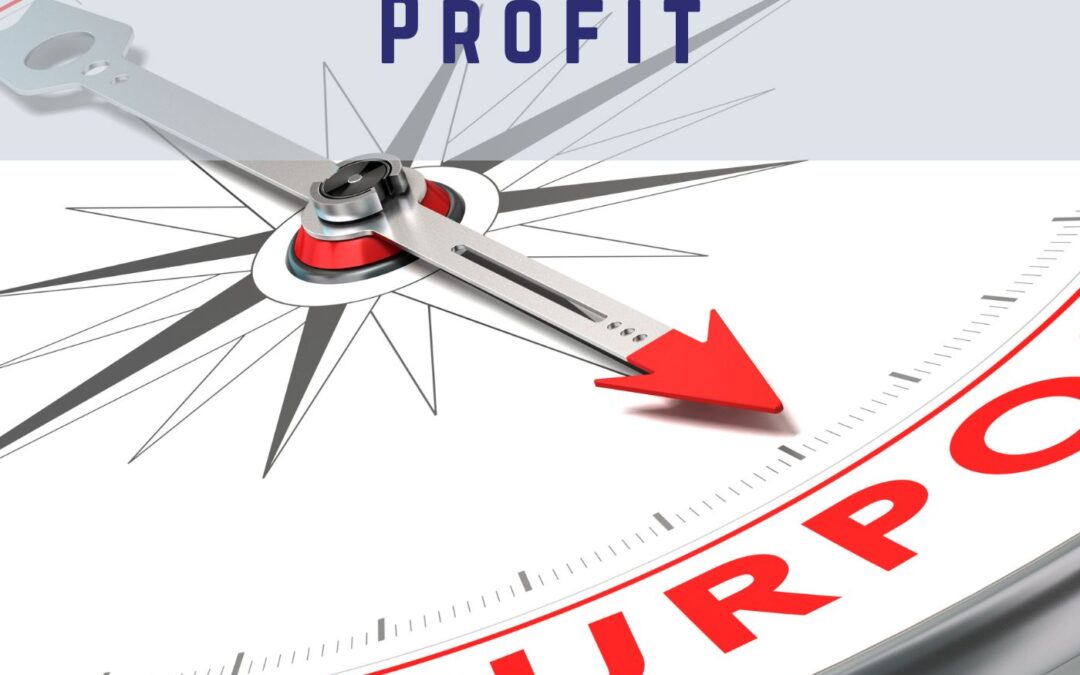
Purpose isn’t a KPI you tick off. It’s aspirational. It’s your True North, the compass that keeps you steady when storms hit. Market shifts. Projects tank. Clients walk. Yet purpose keeps you moving forward when everything else tells you to quit.
When you invite your team into that vision—when they see how their contribution matters—the energy in your business transforms.
👉 Action Step: Write your “purpose manifesto.” Keep it short, bold, and human. Share it. Live it. Revisit it when you wobble.
From Purpose to Profits: Your Next Step
Purpose isn’t theory. It’s the foundation of your business ecosystem. It’s the herd instinct that drives belonging, belief, and behaviour. It’s the magnet that attracts the right people and repels the wrong ones. And it’s the umbrella that allows you to keep reinventing without losing your soul.
So here’s my challenge to you: stop treating purpose as a poster on the wall. Start treating it as your most powerful performance strategy. That’s exactly what we’ll be unpacking in my upcoming 20-Minute Teaching: From Purpose to Profits. I’ll share my 3-step Purpose to Profits Framework to help you cut the noise, ditch the silos, and finally get your team pulling in the same direction.
📅 Join us on Tuesday 9th September at 9.30am. 👉 Register here: businesshorsepower.com/teamship-teachings
Final Thought
Purpose before profit isn’t just a philosophy. It’s the only path to building resilient, adaptive, high-performance teams in today’s world. Horses know it. Nature shows it. Now it’s time for us as leaders to embody it. So, what’s the purpose that’s going to galvanise your team this month? And how will you make sure it doesn’t stay locked in a drawer?
Show Notes
00:00 Introduction to Purpose in Business
02:11 The Power of Purpose
03:27 Generational Perspectives on Purpose
04:45 Simon Sinek’s ‘Start With Why’
07:19 Purpose-Driven Collaboration
11:16 Purpose and Profit
12:15 Research on Purpose-Driven Companies
16:38 The Aspirational Nature of Purpose
17:42 Upcoming Webinar and Personal Insights
21:37 Final Thoughts and Invitation
by Julia Felton | Aug 19, 2025
Let’s be blunt. Most people don’t quit their jobs—they quit their bosses.
In the latest episode of the Impactful Teamwork podcast, I unpack research that shows 85% of employees believe their boss negatively affects their work-life balance, and 70% are considering leaving because of it. That’s not just a culture issue—it’s a business risk.
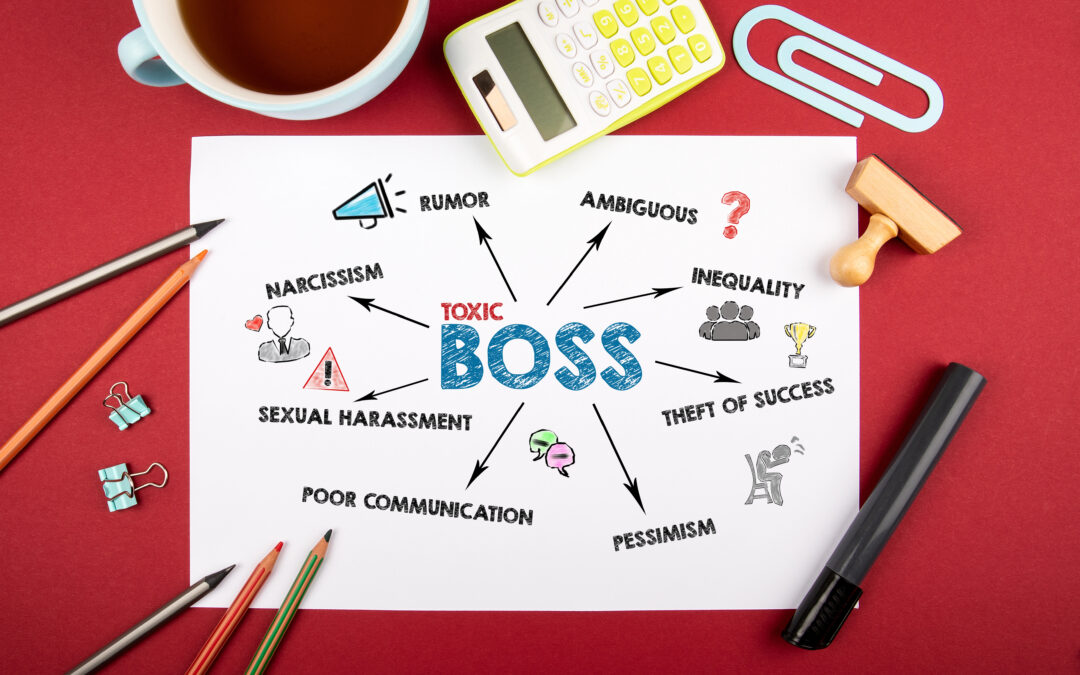
So let’s call it out. Here are the 15 types of horrible leaders you’ll meet in the workplace, why they wreck performance, and how to do better. Spoiler: if you see yourself in any of these, it’s time for a course correction.
Because leadership isn’t about control—it’s about trust, adaptability, and contribution. That’s how you build unstoppable teams and create a lasting leadership legacy.
1. The Royal Highness 👑
The narcissist boss who demands admiration, treats disagreement as disloyalty, and shuts down other people’s ideas.
Why it fails: Kills innovation. No one speaks up. Team intelligence goes to waste.
Action: Ditch the crown. Adopt shared leadership—your team knows more than you do.
2. The Mood Swinger 🎭
Happy one day, raging tyrant the next. Team members walk on eggshells.
Why it fails: Creates fear and inconsistency. No psychological safety.
Action: Build emotional intelligence. Regulate your state before you wreck the room.
3. The Insecure Boss 😬
Feels threatened by talent, blocks opportunities, rejects ideas to protect their ego.
Why it fails: Your insecurity caps the team’s growth.
Action: Hire people smarter than you. Celebrate their brilliance—it makes you look stronger, not weaker.
4. Big Brother 👀
The classic micromanager. Wants to see every email, approve every task.
Why it fails: Slows everything down. You become the bottleneck.
Action: Delegate authority, not just tasks. Trust people to deliver.
5. The Underminer 🪓
Cuts others down in public to make themselves look good.
Why it fails: Destroys trust instantly. Motivation nosedives.
Action: Credit your team publicly. Praise in meetings. Elevate others—it lifts you too.
6. The Favouritist 🎯
Creates an “inner circle” and sidelines the rest.
Why it fails: Breeds resentment. Fuels silos.
Action: Build relationships equally. Inclusion isn’t optional—it’s essential.
7. The Metrics Maniac 📊
Obsessed with numbers. Doesn’t care about the people hitting them.
Why it fails: Burnout, attrition, disengagement.
Action: Balance performance with people. Targets matter—but so does wellbeing.
8. The Yeller 📢
Equates authority with volume. Shouts to get their way.
Why it fails: Creates a climate of fear. People hide mistakes instead of fixing them.
Action: Lower your voice. Raise your presence. Influence is earned, not screamed.
9. The Emo Blackmailer 💔
Uses guilt trips and passive-aggressive comments to manipulate.
Why it fails: Breeds resentment and confusion.
Action: Have direct, honest conversations. Stop emotional hostage-taking.
10. The Thief 🕵️♂️
Steals credit for other people’s work.
Why it fails: Kills morale. Your best people will walk.
Action: Share the spotlight. Acknowledge contributions openly.
11. The Ghost 👻
Always missing in action. Never around for feedback or guidance.
Why it fails: Leaves the team directionless. Paralysis sets in.
Action: Be present. Show up consistently. Availability is leadership.
12. The Conservative 🛑
Clings to the past, shuts down new ideas. “We’ve always done it this way.”
Why it fails: Blocks reinvention. In a changing world, that’s death.
Action: Embrace adaptability. Experiment. Reinvention is survival.
13. The Gossiper 🗣️
Spreads rumours and breaches confidentiality.
Why it fails: Destroys trust. No one shares openly.
Action: Zip it. Model candour, not gossip.
14. The “Meet-Me” Manager 📅
Loves meetings for meetings’ sake. No outcomes, just endless talk.
Why it fails: Wastes hours. Productivity collapses.
Action: Only meet with purpose. Agenda, decisions, actions. Otherwise—send an email.
15. The No-Clock Man ⏰
Always late to meetings and deadlines, but expects punctuality from others.
Why it fails: Hypocrisy. Kills respect.
Action: Walk the talk. If you want discipline, embody it.
The Ripple Effect of Horrible Leaders
These 15 traits aren’t just annoying—they’re corrosive. They drain trust, fracture collaboration, and poison performance. The reality is that great people don’t stay in toxic environments. They leave. And when they leave, your business momentum evaporates.
The Shift: From Control to Teamship
The antidote is Teamship. As I share in the Unbridled Teamship Roadmap, the future of leadership isn’t about control—it’s about:
- Game-Changing Trust – Build safety, credibility, and fairness
- Impactful Contribution – Unleash people’s potential. Let them own results
- Unbridled Adaptability – Stop clinging to the old way. Reinvent boldly
That’s how you turbo-charge performance and create a lasting leadership legacy.
Action Points: Ditch the Horrible, Lead with Impact
- Audit yourself. Which of the 15 horrible habits do you slip into? Be honest.
- Ask your team. Invite feedback—anonymously if needed. What’s it like to be led by you?
- Course correct. Replace control with trust, fear with safety, ego with contribution.
- Invest in growth. Train emerging leaders now so they don’t repeat these patterns.
- Adopt Teamship. Build a culture where leadership is shared, and everyone thrives.
Final Word
The truth is—horrible leaders don’t just damage culture. They destroy businesses.
If you want to retain top talent, unlock contribution, and thrive in today’s fast-changing world, you can’t afford to lead like a dinosaur.
The choice is yours: cling to control and watch your best people walk… or embrace trust, adaptability, and contribution, and create a business where people (and performance) flourish.
If you want to dive deeper, listen to this week’s episode of Impactful Teamwork where I unpack these 15 leadership fails in more detail. And if you’re ready to discover where your leadership style is helping—or hindering—your team, take my Turbo-Charge Your Team Quiz today.
That’s how you turbo-charge performance and create a lasting leadership legacy.
.
Show Notes
00:00 Introduction to Impactful Teamwork
00:50 The Importance of Avoiding Negative Leadership Behaviors
02:11 Exploring Toxic Leadership Behaviors
08:50 The Royal Highness: Narcissistic Leadership
09:56 The Mood Swinger: Emotional Instability in Leadership
10:57 The Insecure Boss: Fear of Competence
12:08 The Big Brother: Micromanagement
13:02 The Underminer: Discrediting Others
13:45 The Favors: Favoritism in Leadership
14:26 The Metrics Man: Obsession with Targets
15:03 The Yeller: Authority Through Loudness
15:38 The Emo Blackmailer: Emotional Manipulation
16:32 The Thief: Taking Credit for Others’ Work
17:21 The Ghost: Missing in Action
17:54 The Conservative: Resistance to Change
18:32 The Gossiper: Spreading Rumors
19:05 The Meet Me Manager: Meeting Overload
19:50 The No Clock Man: Punctuality Issues
21:48 Conclusion: Creating a Positive Leadership Legacy
Source: HR World: Kick Resume Research

by Julia Felton | Aug 12, 2025
In this week’s episode of Impactful Teamwork, I had the absolute pleasure of being joined by the brilliant Judith Germain, founder of The Maverick Paradox and one of Brains’ 500 Global Honourees. Jude is a strategic leadership consultant, author, and speaker who brings a fresh, dynamic lens to leadership through her Maverick methodology. We unpacked the often misunderstood concept of influence—and why it’s so much more than charisma or presence.
If you’ve ever thought, I need to be more influential, but had no idea where to start—this conversation is for you.
Influence Isn’t a Trait—It’s a System
Jude challenged the traditional view of influence being about personality or status. Instead, she presented her Influence Blueprint, which sees influence as a dynamic system powered by four core drivers:
- Capability – The foundation: your skills, credibility, emotional intelligence, and clarity of vision.
- Decisiveness – How you make decisions, demonstrate intent, and build your reputation.
- Power – Not positional power, but internal authority—your ability to act, innovate and lead without coercion.
- Impact – The ripple effect of your actions—how your influence spreads through people and systems.
“Influence isn’t about pushing people. It’s about aligning what you want with what others want—and what society needs,” Jude shared.
This holistic approach helps shift the narrative away from manipulation and into alignment, connection, and flow. Something that deeply resonates with my own experience partnering with horses.
Influence Exists at All Levels—If You Choose to Use It
A huge myth Jude busted is that only senior leaders have influence. Influence can come from any level in an organisation—from the CEO to the janitor. What matters is not your job title, but your ability to create movement and connection.
She used a lovely example: “When you’re out with friends and someone asks, ‘Where should we go?’—do they turn to you?” That, right there, is influence in action.
🟢 Action Step: Ask yourself: Where do people naturally seek my opinion or guidance? That’s the start of your influence zone.
What Stops Influence? Blocked Systems and Leadership Presence
One of the biggest barriers to influence is when it gets stuck in the system. This could be due to rigid hierarchies, poor communication flows, or ineffective leadership styles.
Jude and I both agreed—too often we see people say, “You just need more presence,” and then leave it at that. But what does that actually mean?
Her answer: Presence is built through your capability, reputation, and how well you use your power to make an impact. Influence can be amplified by others (like my former boss did for me), but you have to have it in the first place.
🟢 Action Step: Reflect on your reputation. Are you seen as competent, emotionally aware, and trustworthy? If not, where could you grow?
Let’s Talk About Power (Without the Eye Rolls)
Power gets a bad rap—but only if you think of it as control. Jude reframed power as something internal—what she calls Maverick Power. It’s the self-assurance, resilience, and innovation to act without needing permission.
She gave a great example: when there’s no hammer to hang a picture, a Maverick doesn’t say, “Oh well.” They pick up a screwdriver and get the job done.
🟢 Action Step: Where in your life or leadership are you waiting for the right tool or permission? How could you create a solution right now with what you have?
Leadership Is Influence in Action
In high-performing teams, influence is distributed. There’s an unspoken flow of leadership—people step up when needed, and decisions are made based on capability, not just hierarchy.
I loved how Jude described this as calibrated influence—where tools like the GC Index and her Influence Blueprint come together to reveal where people naturally lead and contribute.
This is something I see all the time with horses. If you don’t have the right energy, intention, and trust, the horse simply won’t follow. It’s not about domination—it’s about relational influence.
🟢 Action Step: Consider how leadership shows up across your team. Who’s actually influencing the direction of work, decisions, and morale?
Culture, Complexity, and the Need for Flow
As our conversation evolved, we delved into culture. Jude emphasised that real culture isn’t just “what we do around here”—it’s “who we are when we’re here.”
In today’s complex business environment, culture fit can be dangerous if it creates sameness. Influence thrives when there’s diversity of thought and energetic contribution—when people are hired for their potential impact, not just their similarity.
“Flow is what happens when presence meets trust meets clarity,” I added. And Jude agreed—businesses must now navigate energetics as much as strategy.
🟢 Action Step: Run a mini influence audit. Where is influence flowing in your organisation—and where is it getting blocked?
Influence Gone Wrong: The Trust Tax
We closed the episode reflecting on what happens when influence is missing. Jude shared examples of leaders who relied on control, but couldn’t motivate their teams. Change slowed, people left, and performance dipped. That’s what Stephen Covey calls the “trust tax.”
Conversely, when influence is present—when there’s alignment, trust, and shared goals—teams fly. Jude shared a story from early in her career when, despite holding others accountable, her team rallied to support her under pressure. That’s the power of relational influence at work.
Final Reflections
This conversation with Jude reminded me how crucial it is that we expand our definition of leadership beyond presence or performance—and see it as systemic influence.
Influence is the heartbeat of high-performing, agile teams. It’s what allows Teamship—not just leadership—to thrive. It’s what moves us from ego to eco, from chaos to coherence, from compliance to candour.
Your Next Steps: Build Your Influence Ecosystem
If you’re ready to deepen your own influence or diagnose what’s blocking it across your team, here’s what I recommend:
- Download Jude’s Influence Blueprint – available via The Maverick Paradox website.
- Take the GC Index with your team – and map where your team’s energy for influence lies.
- Book a Turbo-Charge Your Team Audit – and I’ll help you identify the key friction points in your team and how to unlock momentum using the Unbridled Teamship Roadmap.
Let’s stop talking about influence as a “soft skill” and start treating it as the strategic advantage that it really is.
.
Show Notes
00:00 Introduction and Guest Introduction
02:10 Understanding Influence
03:50 Leadership as a System
06:42 Influence in Practice
10:14 Women and Influence
11:15 Power Dynamics in Leadership
14:11 Influence and Organizational Culture
17:19 Practical Applications of Influence
33:14 Conclusion and Resources

by Julia Felton | Aug 5, 2025
It turns out you don’t need to be in the boardroom to sharpen your leadership skills. Sometimes, the best leadership lessons emerge when you least expect them—like on a sailing holiday in Greece. After a week under the Mediterranean sun, navigating the open waters with my partner and nine other boats in a flotilla, I came back feeling more connected, more grounded—and full of reflections about leadership, teamwork and business.
Here are some of the leadership lessons I brought back with me, straight from the deck of a Beneteau 323.
1. The Power of Shared Leadership
This trip marked our third sailing holiday, but when I rewind the clock to our first adventure, I’m reminded how essential shared leadership really is. I hadn’t planned to do any training—I thought I’d spend the week relaxing by the pool while my partner completed his Day Skipper practical. What actually happened was quite different: I joined the crew, learned the ropes (literally!), and earned my Competent Crew certificate.
And thank goodness I did.
Because when we set sail on that first flotilla trip six months later, having a shared understanding of how the boat operated—and my partner not having to shoulder all the responsibility—meant we worked together as a team. I brought a different perspective, focusing more on safety and systems, while he focused on navigation. Together, we made a more effective, resilient crew.
Action: Ask yourself—how are you enabling shared leadership in your team? Who else can hold the reins with you?
Reflection: True leadership isn’t about knowing everything—it’s about knowing how to empower others to lead with you.
2. The Power of Beliefs: Old Experiences Shape New Realities
Before these flotilla adventures, my only sailing experience was in dinghies—and let’s just say that included three capsizes and a few dunkings, thanks to my partner’s enthusiastic steering! That experience left a deep impression. I developed a belief that sailing with him meant getting wet—and potentially being in danger.
So when we first took out a larger keelboat, even though it was far more stable, my nervous system was on high alert. I was terrified we’d capsize.
It wasn’t until I learned more about the stability of these boats, spoke to others, and built new experiences that I was able to let go of that limiting belief. And that’s when I started to actually enjoy sailing.
Action: What limiting beliefs are you carrying into your leadership or team interactions? What outdated ‘truths’ need to be re-evaluated?
Reflection: Beliefs formed in one context don’t always serve us in another. It’s time to let go of the stories that are no longer true.
3. Roles, Responsibilities, and Accountability Create Flow
Sailing taught me—yet again—the importance of clearly defined roles. When it was time to depart a port, there were multiple tasks that had to be done efficiently and safely. Naturally, we divided them: I was in charge below deck, securing items and closing hatches, while my partner handled the sails and navigation.
Each of us knew what to do. No confusion. No duplication. Just flow.
And the reason it worked? Systems. During my training, I’d been given a checklist to ensure the boat was ready to sail. That simple structure gave me confidence. It also freed up mental space because I didn’t have to remember everything—I just had to follow the process.
Action: Have you clarified who is doing what in your business? Do your people have clear systems and checklists to follow?
Reflection: When everyone knows their role and what’s expected of them, it creates empowerment, efficiency and trust.
4. The Value of Supportive Teams
One of the main reasons we continue to sail as part of a flotilla is the incredible support structure it provides. There’s a lead boat with a captain, an engineer and a social host—all of whom are available to assist if anything goes wrong.
And trust me, things do go wrong.
Like the time our anchor jammed mid-drop and we had 50 feet of chain dangling from the front of our boat. We couldn’t dock, we couldn’t move, and we definitely couldn’t fix it alone. But thanks to the flotilla team, help arrived—and after two hours and some serious manpower, the problem was solved.
Action: Who are your “flotilla captains”? Do your team members have people they can call on when something goes wrong?
Reflection: Psychological safety at work is just like sailing safety on the water. People perform better when they know help is at hand.
5. Proper Planning Prevents Poor Performance
There’s a reason that phrase is a cliché—it’s true. When we didn’t plan our manoeuvres properly, everything got a bit chaotic. My partner would suddenly say, “Let’s tack now!” and I’d freeze—unsure of what to do, feeling flustered.
But when we planned together—”Step one: bring in the mainsail; step two: adjust the jib”—the manoeuvre was seamless.
And this is so true in business too. When things are moving fast, it can feel like you don’t have time to plan. But pausing to clarify the steps means fewer mistakes, less chaos, and better outcomes.
Action: Where can you slow down to plan more effectively this week?
Reflection: Clarity breeds confidence. A calm, prepared team is a high-performing team.
6. Emotional Energy Sets the Tone
During one of our more rushed manoeuvres, my partner became visibly anxious. His energy shifted—he became erratic, issuing conflicting commands—and I froze. It reminded me how much a leader’s energy sets the tone for everyone else.
I had a fascinating conversation with a Navy captain on the trip who echoed this. He said that in high-pressure situations, the leader’s calmness anchors the entire crew. Whether you’re navigating a yacht or leading a team through a business storm, the principle is the same.
Action: How are you managing your emotional energy in moments of stress?
Reflection: Your energy is contagious. Staying grounded helps your team stay steady in uncertain times.
7. Don’t Lose Sight of the Bigger Picture
While helming the boat, I often picked a point on the horizon to steer towards. It gave me focus—but it also narrowed my field of vision. One day, I was so fixated on that point that I failed to notice a massive ferry bearing down on us from the side!
In business, this happens all too often. We’re so focused on the goal that we miss what’s happening around us—market shifts, team fatigue, or emerging risks.
Action: Take a moment to look up from your to-do list. What are you not seeing?
Reflection: Peripheral awareness is just as important as focus. Great leaders take in the full horizon.
Final Thought: From Busy to Brilliant
One of the biggest lessons from this trip was about attention—where we place it, how we manage it, and the impact it has on our performance.
That’s why I’m running a 20-minute webinar on August 12th called “From Busy to Brilliant: How Strategic Attention Fuels High-Performance Teams.” If you want to learn how to leverage attention to drive business results, I’d love for you to join me. Simply register at here
Whether you’re on a sailboat in Greece or in the thick of your next big project, the lessons are there—if you’re willing to pause, observe, and learn. I came back from holiday not just refreshed, but re-inspired.
Here’s to navigating your own leadership journey with more clarity, calm, and connection.
Show Notes
00:00 Introduction: Lessons from a Greek Holiday
02:19 The Power of Shared Leadership
09:18 Roles, Responsibilities, and Accountability
11:17 Team Dynamics and Support Systems
17:27 The Importance of Planning
21:41 Maintaining Strategic Attention
23:46 Conclusion and Upcoming Webinar

by Julia Felton | Jul 29, 2025
In this week’s episdoe of Impactful Teamwork we’re diving into a crucial topic for every modern team member and leader: learning agility.
In today’s fast-changing business environment—fuelled by technological disruption, shifting roles, and the rise of AI—the ability to learn, unlearn and relearn quickly isn’t just a “nice to have”; it’s a must. Traditional skills are becoming obsolete faster than ever, and what organisations truly need now are agile learners—people who can adapt, grow, and thrive in uncertain, evolving contexts.
So what does it take to become an agile learner? And how can we, as individuals and teams, cultivate this vital skill to remain relevant and resilient? That’s what we explored in this week’s episode.
What Is Learning Agility?
Let’s start with a definition. Learning agility, as defined by Helen Tupper and Sarah Ellis in Harvard Business Review, is:
“The skill of learning from experience so you can succeed in new situations. It’s knowing what to do when you don’t know what to do.”
It’s not about what you know—it’s about how you learn. Agile learners excel because they’re comfortable being uncomfortable. They lean into change, take risks, and bounce back from failure with a stronger sense of purpose. They are sought-after within organisations because they can flex across roles, adapt to new challenges, and inspire others to do the same.
Why Learning Agility Is a Competitive Advantage
Today’s careers are no longer linear. Roles are evolving fast, and yesterday’s expertise may not be relevant tomorrow. So rather than hiring purely for hard skills, forward-thinking organisations are prioritising learning mindset, adaptability, and curiosity.
Agile learners:
- Respond well to uncertainty
- Embrace new technologies and systems quickly
- Adapt to cross-functional teams or projects
- Are more likely to be promoted or considered for new opportunities
- Create stronger team dynamics through empathy and collaboration
Learning agility is what enables individuals—and teams—to stay relevant, connected and impactful.
The 3 Foundations of Agile Learning
In the episode, I broke learning agility down into three key components that form the foundation of this capability:
1. Navigating Newness
How do you approach something you’ve never done before? Are you someone who jumps in and figures it out on the go—or do you wait until you know every step?
Agile learners are willing to operate without a manual. They step into the courage zone, where things are unfamiliar and unpredictable. Whether it’s leading a new project, stepping in for a colleague, or partnering with horses in an unfamiliar environment (like in my equine retreats!), they trust themselves enough to act without certainty.
👉 Try this: Challenge yourself to do one new thing this week that makes you slightly uncomfortable. Step into the “courage zone.”
2. Understanding Others
Agile learners are also skilled empathisers. They can see things from other perspectives and anticipate how decisions ripple across a team or organisation. This ability to connect the dots and engage in solution-focused thinking makes them invaluable collaborators.
They also listen—really listen. And as we discussed in last week’s episode on noticing and attention, true listening creates space for insight, understanding and transformation.
👉 Try this: Notice your talk-to-listen ratio in meetings. Can you ask one more curious question instead of offering advice?
3. Increasing Self-Awareness
Perhaps the most overlooked element of learning agility is self-awareness. Agile learners know how they show up, what impact they’re having, and what they need to work on. They seek feedback, reflect on their experiences, and continuously set intentions for how they want to grow.
👉 Try this: After a key meeting or experience, ask yourself:
- What strengths did I use today?
- Who or what helped me succeed?
- What could I do differently next time?
How to Build Learning Agility In Your Organisation
Now that we’ve covered what it means to be an agile learner, how do we bring it to life in our teams and businesses?
Here are some practical strategies to cultivate learning agility in your workplace:
1. Celebrate Curiosity
Make space for questions, experimentation, and exploration. Reward curiosity—not just correctness. Agile learners love asking “What if?” and “How else might we?”
2. Create Low-Risk Learning Zones
Whether it’s a cross-functional project, shadowing another department, or even joining a workshop like my Unbridled Success Experience, offer ways for people to try something new without fear of failure.
3. Encourage Feedback and Reflection
Feedback is the fodder of champions. Yet many people avoid it, fearing criticism. Instead, reframe feedback as a gift that fuels growth. And create structured opportunities for people to pause, reflect, and absorb lessons from experience.
👉 Top tip: At the end of a project or session, ask: “What’s your biggest takeaway and how will you apply it?”
4. Promote Help-Seeking as a Strength
In the episode, I shared a story from one of my equine leadership sessions, where a participant was struggling with a task but didn’t ask for help—until a teammate stepped in. It reminded me how often we stay silent, afraid to look incompetent.
But agile learners ask for help. They know their growth is a team effort.
👉 Action point: Start normalising help-seeking in your team. Model it yourself as a leader.
Reflection Questions to Spark Agility
Use these prompts to increase learning agility in yourself or your team:
- When was the last time you stepped outside your comfort zone?
- How well do you empathise with other departments or functions in your business?
- What feedback have you received recently—and how did you respond?
- How often do you carve out time for reflection?
- What are three words you want people to associate with your presence in a meeting?
Final Thoughts: Your Agile Learning Playbook
If you want to future-proof your career or strengthen your team, developing learning agility is the key. It’s not about mastering one skill—it’s about becoming someone who can keep learning, no matter what.
So, I invite you to create your own Agile Learning Playbook. Include:
- Your courage zone goals
- People you can learn from
- Habits for reflection and feedback
- Areas you want to stretch into
Because when you become an agile learner, you unlock new opportunities, deepen your team’s capacity, and amplify your impact.
Next Steps: Share Your Learning Journey
I’d love to know: What’s one thing you’re doing this week to develop your learning agility? Pop over to LinkedIn or email me—let’s keep this conversation goingnour the energy of each activity, we give our team the environment they need to thrive—and that’s where the real momentum starts.
👉 Email me or send a message on LinkedIn. Let’s share and learn together..
Show Notes
00:00 Introduction and Podcast Overview
01:22 Welcome to the Impactful Teamwork Podcast
01:42 The Importance of Agile Learning
05:13 Foundations of Agile Learning
10:19 Practical Strategies for Agile Learning
14:43 The Role of Self-Awareness and Reflection
17:51 Conclusion and Final Thoughts
00:00 Closing Remarks and Call to Action
How To Become An Agile Learner – Helen Tupper & Sarah Ellis – https://hbr.org/2023/11/how-to-become-an-agile-learner

by Julia Felton | Jul 22, 2025
This week on the Impactful Teamwork podcast, I explored two of the most underrated skills in leadership today: Noticing and Listening. As I’ve learned time and time again – through my work with horses, in my leadership retreats, and even during my sabbatical in Africa – true leadership begins with awareness.
Why Noticing Matters More Than You Think
Most of us are running so fast, we forget to stop and take in what’s around us. Yet noticing is not just a mindfulness exercise—it’s a strategic leadership skill. It’s what allows us to tune in to our team’s energy, understand underlying tensions, and lead from a place of clarity and connection.
I learned this lesson the hard way during a conservation trip in Namibia. One evening around a campfire, someone asked me about my experience swimming with dolphins. Despite it being a “bucket list” moment, I couldn’t remember a single detail. Why? Because I hadn’t been present. I was so consumed by work stress and mental distractions that I missed the moment entirely.
That wake-up call was profound. It prompted me to seek more present, grounded experiences—ultimately leading me to live in the African bush and later deepen my connection with horses. These incredible animals, as prey animals, survive by being exquisitely tuned in to their surroundings. Their very lives depend on noticing.
And that’s where the leadership lessons began.
Horses as Masters of Attention
Horses notice everything: a subtle shift in energy, a change in posture, a flicker of emotion. They don’t listen with their ears—they listen with their whole being. And when you’re around them, you’re forced to do the same.
You can’t fake presence with a horse. If you want to lead, you must first be worthy of being followed. That means being grounded, aware, and fully in the moment. If they sense you’re distracted or unaware of what’s going on in the environment, they’ll take charge—or they’ll walk away.
Sound familiar? That’s exactly what happens in human teams too.
Attention is Active, Not Passive
There’s a common myth that listening is passive. That noticing is about standing still. In fact, they’re both highly active skills.
When I run equine-assisted leadership programs, the biggest challenge leaders face is staying fully present. Many want to jump into action or control the outcome—but horses require you to pause, sense, and respond appropriately.
In the business world, this is where most chaos begins. Leaders notice a problem—but instead of pausing to reflect, they jump in and react. And more often than not, that reaction creates more mess than momentum.
As I often say: Leaders should notice first. Pause second. Then act.
The Diamond Model of Leadership
This principle of attention is at the core of the Diamond Model of Shared Leadership™—a model inspired by the way horse herds operate. In this model, attention sits at the top of the diamond. It’s what directs the herd (or team) toward safety, alignment, and direction.
In a herd, all members share responsibility for paying attention. When danger appears, the sentinel horses on the edge of the herd lead the way to safety. Leadership is shared, not static. It’s responsive, not rigid.
The same dynamic is critical in high-performing teams. We all must own the responsibility of noticing what’s going on—in ourselves, in our colleagues, and in the wider environment.
Awakening Awareness with the Unbridled Teamship Roadmap
In my Unbridled Teamship Roadmap, one of the nine core accelerators is called Awaken the Awareness. It sits under the lever of Holistic Partnerships, because you can’t build meaningful partnerships unless you’re truly present and attuned.
This accelerator teaches us to:
- Slow down and sense what’s really happening
- Notice misalignments between intention and impact
- Choose to respond, rather than react
When we awaken our awareness, we move from transactional team interactions to transformational partnerships. This is where trust, innovation, and sustained performance emerge.
Noticing Builds Psychological Safety
Real leadership starts with helping people feel seen, heard, and safe. Harvard Business Review contributor Zach Mercurio describes noticing as “the intentional act of making people feel seen and valued.”
It might sound simple, but in today’s disengaged workplaces, it’s revolutionary.
When you notice someone’s effort, acknowledge their struggle, or simply give them your full attention—you create space for them to thrive. This is the true foundation of psychological safety.
I saw this play out firsthand recently while running a 400-guest restaurant pop-up at a racecourse. When back-of-house staff weren’t present, the waitstaff suddenly realised how much they’d relied on those “invisible” roles. Their appreciation—and attention—shifted. It was a powerful reminder that every role matters, and noticing is a form of respect.
3 Levels of Attention Every Leader Must Cultivate
We’re always listening on three levels:
- Self – What’s going on in your body? Your gut instinct? Your emotional state? Our bodies are constantly giving us feedback—if only we’d listen.
- Others – What’s really going on for your team? Are their words congruent with their body language? Are they silently struggling?
- Environment – What’s happening in the wider business context? Are there changes you’re ignoring? Trends you’re missing?
Failing to pay attention on any of these levels can put your business—and your people—at risk.
Action Steps: How to Practice Noticing and Listening
Here are five simple ways to build your awareness muscle:
1. Stillness Before Strategy
Take 60 seconds of silence before each meeting to ground yourself.
2. Start with a Noticing Round
Ask your team: “What have you noticed this week—about yourself, our team, or the environment?”
3. Mirror What You Sense
Say things like: “I noticed you paused before responding—what’s behind that?”
4. Slow Your Responses
Resist the urge to fill silences. Let insights emerge in the pause.
5. Spend Time in Nature
Nature models presence. Go for a walk and observe what you hear, see, and sense.
The Final Word: Awareness is the Foundation of Great Leadership
If you take one thing from this week’s episode, let it be this:
What might you be missing—about yourself, your team, or your business—simply because you’re not paying attention?
When we awaken awareness, we unlock new levels of trust, clarity, and performance. Whether you’re leading a boardroom or a herd of horses, the message is the same:
Slow down. Pay attention. And lead with presence.
Curious to Go Deeper?
If you’re ready to discover how the Unbridled Teamship Roadmap can help you develop conscious, collaborative, high-performing teams, then let’s talk.
👉 Book your complimentary Turbo-Charge Your Team Audit
👉 Or explore more at www.businesshorsepower.com.
Show Notes
00:00 Introduction to Impactful Teamwork
02:00 The Importance of Noticing and Listening
03:24 Lessons from Africa and Horses
08:16 Applying Noticing in Leadership
15:22 The Diamond Model of Leadership
25:29 Practical Tips for Building Awareness
27:52 Conclusion and Invitation
Great Leaders Make People Feel Noticed – Zach Mercurio – https://hbr.org/2025/05/great-leaders-make-people-feel-noticed
by Julia Felton | Jul 15, 2025
Welcome back to this week’s edition of Impactful Teamwork! I’m genuinely excited to explore a topic today that doesn’t get nearly enough attention in the business world—yet, it holds the power to transform how our teams perform. That topic is business energetics: the unseen, yet deeply felt, energy in your workplace.
Why Energy Matters in Business
Every business has its own energetic signature—its vibe, rhythm, or pulse. Just like in nature, where every ecosystem has its own flow, your business environment influences how people feel, connect, and perform. It’s often overlooked because energy is invisible—but its effects are not. It shapes everything from team engagement and decision-making to trust, psychological safety, and innovation.
Think about it—have you ever walked into a meeting and just felt that something was off? That’s business energetics at play.
Four Common Energetic Climates
Let’s explore some common energetic signatures found in businesses, drawing inspiration from nature:
- The Flowing River: Open communication, aligned teams, trust, and momentum. This is the ideal—we see it in agile, purpose-driven teams where everyone is pulling together.
- The Stagnant Pond: Resistance to change, disengagement, unclear direction. Often found in legacy organisations stuck in “what’s always worked.”
- The Wildfire: Hustle, high urgency, reactivity. Typical in scale-ups with little structure—fast-paced, but burnout is lurking.
- The Windstorm: Chaos, unpredictability, mixed messaging. Often shows up in companies with unclear leadership during times of rapid change.
🧭 Actionable Reflection:
- What’s the dominant energy in your business right now?
- Where is energy flowing freely—and where is it blocked?
- Is your team energised or drained by the work?
Five Energetic Zones for Business Activities
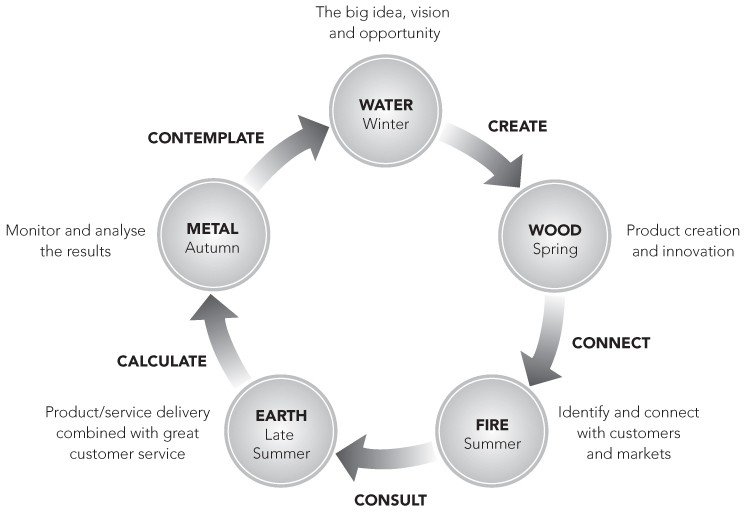
Just as ecosystems are made up of different natural elements, I see businesses functioning across five energetic zones. Each one links to a specific type of activity and is influenced by a natural element. Here’s how they break down:
🌱 1. The Creative Space — Wood Energy (Spring)
This is your visionary zone. It’s where bold ideas take root, innovation blooms, and planning begins.
Ideal for:
- Strategic thinking and goal-setting
- Vision mapping
- Innovation workshops
- Collaborative exploration
What it looks and feels like:
- Natural light, organic materials, mood boards
- Comfortable, flowing layout
- Quiet but inspiring
🎯 Try this: Block out time weekly in a calming space—away from tech—just for ideation and reflective leadership.
🔥 2. The Connective Space — Fire Energy (Summer)
This space fuels relationships, trust, and joy. It’s all about the heart and human connection.
Ideal for:
- Sales and discovery calls
- Team onboarding
- Client appreciation
- Collaboration and joint ventures
What it looks and feels like:
- Warm lighting, personal touches, circular seating
- Buzzing like a firepit or community gathering
- Inviting, safe, and resonant
🎯 Try this: Use a café, breakout space or casual environment for relationship-building conversations or emotional check-ins.
🌍 3. The Consultative Space — Earth Energy (Late Summer)
Grounded, reliable and collaborative—this is your delivery zone. It’s where we follow through on promises and support clients with structure.
Ideal for:
- Project implementation
- Strategic reviews
- Client check-ins and reporting
- Problem-solving and feedback sessions
What it looks and feels like:
- Clear, professional layout
- Accessible tools and visuals
- Reliable tech
🎯 Try this: Create clarity in these sessions with agendas, timelines, and agreed next steps.
⚙️ 4. The Calculative Space — Metal Energy (Autumn)
This is where precision meets performance. It’s about control, systems, data, and structure.
Ideal for:
- Financial reviews and budgeting
- Data analysis and metrics
- SOP documentation
- Risk and compliance
What it looks and feels like:
- Minimalist, focused, dual screens and dashboards
- Calm, serious, logical energy
🎯 Try this: Dedicate time each month in a distraction-free zone for metrics and performance analysis. Visionaries—don’t skip this one!
💧 5. The Contemplative Space — Water Energy (Winter)
Stillness. Wisdom. Renewal. This is where insight emerges and clarity is restored.
Ideal for:
- End-of-cycle reviews
- Visioning and long-term planning
- Purpose and alignment work
- Coaching or self-awareness practices
What it looks and feels like:
- Quiet, soothing, candlelight, nature
- Journals, reflection prompts, no tech
- Space to simply “be”
🎯 Try this: Build regular pauses into your calendar—walks, retreats, quiet mornings—to allow insight to surface.
Why It All Matters
In most businesses, we attempt to do all these energy tasks from one desk. But each activity requires a different environment to flourish. Just as you wouldn’t expect a forest to grow in a desert, you can’t expect high-level strategy work to happen in a chaotic space.
As a leader, your role is to conduct the energy. Your presence, tone, and clarity set the tempo. Be the laser, not the sparkler—focused, not scattered.
Final Thought: Designing Spaces That Support Energy
This week, I invite you to rethink your working spaces—both physical and energetic. Ask yourself:
- Where do I feel most creative?
- Where do I build the best relationships?
- Where do I need focus and control?
- Where do I reflect and reset?
Then design around that.
Because when we honour the energy of each activity, we give our team the environment they need to thrive—and that’s where the real momentum starts.
👉 Email me or send a message on LinkedIn. Let’s share and learn together..
Show Notes
00:00 Introduction to Business Energetics
02:40 Understanding the Impact of Business Energy
04:03 Nature Analogies for Business Environments
07:22 Diagnosing Your Team’s Energy Field
08:10 Creating Positive Team Energy
11:05 The Five Energies of Business
11:19 Creative Space: Wood Energy
14:38 Connective Space: Fire Energy
18:04 Consultative Space: Earth Energy
21:05 Calculative Space: Metal Energy
24:55 Contemplative Space: Water Energy
29:15 Recap and Final Thoughts

by Julia Felton | Jul 8, 2025
Welcome back to Impactful Teamwork! In this week’s episode, I explored the complexities of leading remote and hybrid teams—a topic that continues to surface in many of my coaching sessions with business leaders. One client recently told me how frustrated he was with hybrid working. It’s harder, he said, to build meaningful relationships from a distance—and that got me thinking…
Although remote working is nothing new, many leaders are still grappling with how to lead effectively in this new landscape. Whether your team is fully remote or works in a hybrid setup, the challenges remain the same: how do you build trust, connection, and high performance without being physically together?
Let’s unpack the key takeaways from this episode.
The Core Challenge: Balancing Opposing Priorities
One of the biggest challenges remote leaders face is navigating polarities—those seemingly opposite but equally necessary forces we need to hold in balance. In remote teams, three critical polarities show up:
- Task vs. Relationship
- Individual Identity vs. Collective Culture
- Technology Investment vs. Cost Efficiency
Too often, leaders lean too far into one side of the polarity, resulting in inefficiencies, burnout, or disconnection.
📝 Action Point:
Draw a large “+” sign on a piece of paper. Label the top left quadrant “Task” and the top right “Relationships”. Under each, note the positive and negative consequences of over- or under-emphasising each side. This is a great reflection tool for your next leadership meeting.
Task vs Relationship: Why You Need Both
Remote work amplifies the tension between getting things done and staying connected.
When you over-focus on tasks:
✅ Work gets delivered
✅ Accountability is clear
❌ Relationships weaken
❌ Collaboration drops
❌ Team cohesion suffers
When you over-focus on relationships:
✅ Team members support each other
✅ There’s a culture of trust
❌ Deadlines are missed
❌ Clarity and motivation drop
❌ Accountability becomes fuzzy
The solution? “Both/And” thinking. Effective leaders in remote settings know how to switch gears and intentionally nurture both execution and connection.
📝 Action Point:
In your team meetings, allocate time for both “business” and “bonding.” A 45-minute Zoom can include 30 minutes of agenda and 15 minutes of check-in or celebration.
Conscious Connection: Building Rapport from Afar
In a virtual world, relationships don’t build themselves. Gone are the days of the “water cooler moments”—those spontaneous chats over coffee that helped us stay in touch with each other’s lives.
So, how do we replicate that in a digital environment?
- Schedule regular connection time: Some of my clients hold “virtual coffee chats” or “connection days” with no agenda other than catching up.
- Bring people together in person: If possible, meet face-to-face at least once or twice a year. Nothing builds rapport faster.
- Make time for personal check-ins: Even just five minutes at the start of a Zoom call can make a big difference.
📝 Action Point:
Book a monthly “connection-only” meeting for your team. No agenda. Just show up, chat, and build bonds.
The Hidden Cost of Remote Work: Loss of Informal Learning
One of my biggest concerns about remote work is the loss of osmosis learning. When I started in corporate life, I learned by observing others—how they handled client calls, solved problems, or navigated tough conversations.
Today, with so many people working remotely, new team members miss out on these subtle, powerful learning moments.
📝 Action Point:
Create “shadowing” opportunities—even virtually. Let new hires join experienced colleagues on calls, observe how decisions are made, and then debrief afterward.
Technology: A Double-Edged Sword
Technology has made remote working possible—but it’s also added layers of complexity. We rely on Zoom, Teams, Slack, email, and WhatsApp—but constant pings can kill focus and lead to cognitive overload.
Tips for healthy tech usage:
- Agree on communication channels: Set clear guidelines on what platform is used for what.
- Limit notifications: Encourage team members to turn off alerts during focus time.
- Train your team: Make sure everyone is confident using your tech stack.
- Don’t forget real-time: Real-time communication helps teams feel more connected.
📝 Action Point:
Audit your team’s tech usage. Are there too many platforms? Could you simplify and streamline?
Time Zones and Burnout: A Global Leadership Challenge
Many of my clients work across time zones—from the US West Coast to Asia—which means their working days can stretch from early morning to late night. This isn’t sustainable.
If you’re leading across time zones:
- Define core working hours that overlap
- Be clear on escalation processes outside those hours
- Encourage flexibility so people can manage their energy wisely
📝 Action Point:
Review your team’s calendar habits. Are there boundaries in place to protect wellbeing?
Optimising Team Structure: Less Is More
Research shows that team size and composition are vital to success. The sweet spot? Between 5 and 9 people.
It’s also important to distinguish between:
- Core team members: Heavily involved, long-term contributors
- Peripheral team members: Ad hoc contributors or specialists
Watch out for team members who are overcommitted across multiple projects—they’re more likely to struggle with clarity, focus, and performance.
📝 Action Point:
Map your team. Who’s core? Who’s peripheral? Are you spreading key players too thin?
Final Thoughts: The Leadership Skills Remote Teams Need
Leading remote teams isn’t just about managing logistics—it’s about managing paradoxes. It demands emotional intelligence, presence, and the ability to hold two opposing truths at the same time: the need for performance and the need for people.
I truly believe remote and hybrid teams are here to stay. So the real question becomes:
How will you evolve as a leader to meet this new challenge?
Let’s Continue the Conversation
I’d love to hear from you. What’s worked well for you in leading remote teams? Where have you struggled? What strategies have you discovered that help your team stay connected and productive?
👉 Email me or send a message on LinkedIn. Let’s share and learn together..
Show Notes
00:00 Introduction to Remote Team Management
00:55 Challenges of Hybrid Work
02:30 Understanding Polarities in Virtual Teams
04:01 Balancing Tasks and Relationships
07:11 Leveraging Technology for Better Connections
08:43 Importance of Face-to-Face Interactions
09:56 Informal Communication and Learning
17:22 Addressing Time Zone Challenges
19:30 Optimising Team Structure
21:31 Conclusion and Invitation for Feedback
by Julia Felton | Jul 1, 2025
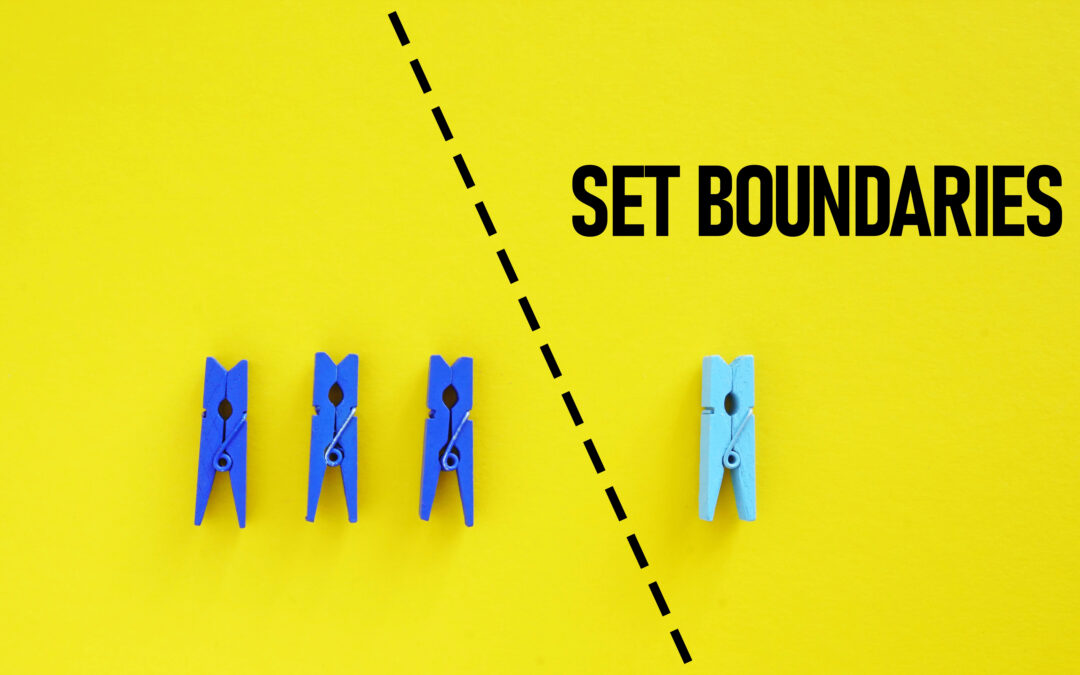
In this episode of Impactful Teamwork, I shine a spotlight on a topic that is often overlooked yet absolutely critical—boundaries.
Rooted in my experiences with both corporate leadership and working with horses, this conversation unpacks why strong fences (or boundaries) are the foundation for trust, clarity, and high-performing relationships.
As William Arthur Ward reminds us:
“Leadership is based on inspiration, not domination; on cooperation, not intimidation.”
Let’s explore how leaders can use boundaries to inspire trust, prevent burnout, and create deeper collaboration.
Understanding Boundaries: What They Really Mean
Boundaries are more than just limits—they’re agreements that define how we want to be treated. Much like the fences in my horse paddocks, they provide structure and protection without restricting freedom. Horses don’t challenge the fences because they trust them. There’s no need for harshness or constraint—only consistency.
Without boundaries, relationships quickly fall into confusion. Expectations become unclear, trust diminishes, and resentment quietly grows.
🟢 Key Insight: Boundaries aren’t barriers; they’re bridges to safer, stronger relationships.
Why We Must Talk About Boundaries in Leadership
We’ve all experienced relationships—personal or professional—that felt off. Often, we can’t explain why we feel uneasy, frustrated, or depleted. But more often than not, the real issue is a lack of clear boundaries.
When boundaries are absent:
- People say “yes” when they mean “no”.
- Overwork and burnout become the norm.
- Disrespect is tolerated.
- Communication turns passive-aggressive.
On the flip side, healthy boundaries bring:
- Mutual respect and empowerment.
- Greater clarity in roles and expectations.
- Space for real dialogue and feedback.
- The confidence to protect our time, energy, and values.
The Three Types of Boundaries Every Leader Needs
Let’s take a closer look at the three core boundary types that can radically improve both personal wellbeing and team dynamics.
1. Time Boundaries
Many leaders overcommit because they fear saying no. Unfortunately, this leaves no friction point to encourage negotiation or collaboration. If you always say yes, your team never learns what’s realistic.
Action Step: Start saying, “Not right now, but here’s what I can do.” It’s assertive without being dismissive.
2. Value-Based Boundaries
When someone asks you to act against your core beliefs, it compromises integrity. These moments call for courageous conversations.
Action Step: Define your top three values. Ask yourself whether current relationships support or undermine them.
3. Identity Boundaries
A blurred identity often leads to taking on roles or responsibilities that don’t align with who you truly are. Reclaiming your identity helps you lead from a place of authenticity.
Action Step: Make a list of behaviours and interactions you’re no longer willing to tolerate—and stick to it.
Lessons from the Paddock: What Horses Teach Us About Boundaries
Let me introduce you to Bracken, a young pony I rescued at nine months old. She was terrified of people. So I spent months quietly sitting with her and her field mate, slowly building trust.
As she began to engage, I was thrilled. However, in my excitement, I neglected to teach her one vital thing—boundaries. She began walking into my personal space, nudging me, and later pushing into me as she grew.
Initially, I tolerated it. Eventually, though, I realised this was becoming dangerous. Re-establishing those boundaries after months of permissiveness was one of the toughest leadership lessons I’ve learned.
💡 Big Learning: When you fail to set boundaries early, it takes far more energy—and courage—to reinstate them later.
Why We Avoid Setting Boundaries
One of the biggest reasons leaders avoid boundary-setting is fear: fear of being disliked, of being called controlling, or of causing conflict. For many women I’ve coached, this fear is particularly strong.
Yet avoiding conflict doesn’t create peace. It creates resentment.
You simply cannot build healthy relationships with people who don’t respect your boundaries—or worse, don’t even know what your boundaries are.
What Happens When We Don’t Set Boundaries
Looking back on my corporate life, I now see how a lack of boundaries led me to burnout. I never pushed back. I never said “this is too much.” I always said yes.
Eventually, the imbalance in that dynamic left me exhausted and frustrated. There was no healthy friction, no honest communication. Just silent absorption of every request and expectation.
Unfortunately, this is all too common in today’s workplace. Leaders who want to be liked or seem strong often bear the burden alone, quietly carrying more than their fair share.
Resetting Relationships: It’s Not Too Late
You may be wondering, what if I’ve already let a boundary slide? The truth is, it’s never too late to recalibrate. However, it does require courage and consistency.
Take my story with Bracken. Resetting the boundary meant stepping into discomfort, standing firm, and being willing to repeat the message until it landed. It took time—but it worked.
Action Step: Identify one relationship where your boundaries need reinforcement. Then have the honest conversation you’ve been avoiding.
Building Trust Through Boundaries
Think of trust and respect as two sides of a seesaw. If boundaries are unclear, that balance tips. Once trust erodes or respect fades, dysfunction creeps in.
Consider a colleague who repeatedly fails to deliver on time. If you say nothing, that lack of accountability grows. Eventually, it leads to frustration or even conflict.
By addressing the issue early, with clarity and kindness, you protect the relationship and build stronger collaboration.
The Three Relationship Habits of Great Leaders
Let’s wrap up with three core habits that help leaders create boundary-respecting, trust-filled teams:
1. Listen Deeply
High-impact leaders truly listen. They remove distractions and give others their full attention.
Try this: During your next meeting, challenge yourself to listen without interrupting. Let silence do the heavy lifting.
2. Understand Others’ Perspectives
Empathy fuels effective leadership. When you understand someone’s point of view, your response becomes more grounded and respectful.
Try this: Ask a team member, “What matters most to you in this project?” and really listen to their answer.
3. Acknowledge Contribution
Recognition builds confidence. Great leaders offer praise generously—and specifically.
Try this: End each week by acknowledging one teammate’s contribution. Be genuine and detailed.
Final Thoughts: Boundaries Create Brave Leadership
The horses have taught me again and again that boundaries are not restrictions—they are the frameworks for freedom. They help us show up fully and safely in our relationships.
In your business, boundaries create the conditions for high performance, trust, and creativity. Without them, you’ll struggle to lead with clarity—or build a cohesive team.
🧭 Reflection Questions:
- Where are your boundaries currently too loose?
- Where have you compromised too much?
- What is one boundary you’ll recommit to this week?
Let’s Lead Differently—With Strong Fences and Brave Hearts
At Impactful Teamwork, we believe boundaries aren’t a leadership luxury—they’re a necessity.
If this episode resonated with you, please share it with someone who needs permission to say “no,” reclaim their power, or build better relationships. Let’s make setting boundaries the norm, not the exception.
Show Notes
00:00 Introduction to Impactful Teamwork
00:57 Building Strong Boundaries
04:33 Types of Personal Boundaries
04:56 The Importance of Saying No
06:12 Identity and Personal Boundaries
08:17 The Role of Trust in Boundaries
09:00 Lessons from Horses on Boundaries
11:41 Reinforcing Boundaries with Bracken
15:12 Boundaries in Professional Relationships
18:29 Three Tools for Great Leadership
21:36 Conclusion and Final Thoughts