by Julia Felton | Jan 20, 2026
Let me be blunt.
The biggest threat to your business right now is not AI.
It’s not the economy.
It’s not even your competitors.
It’s staying the same.
In this latest episode of Impactful Teamwork, I explored a topic that many leaders quietly avoid because it feels uncomfortable, unsettling, and confronting.
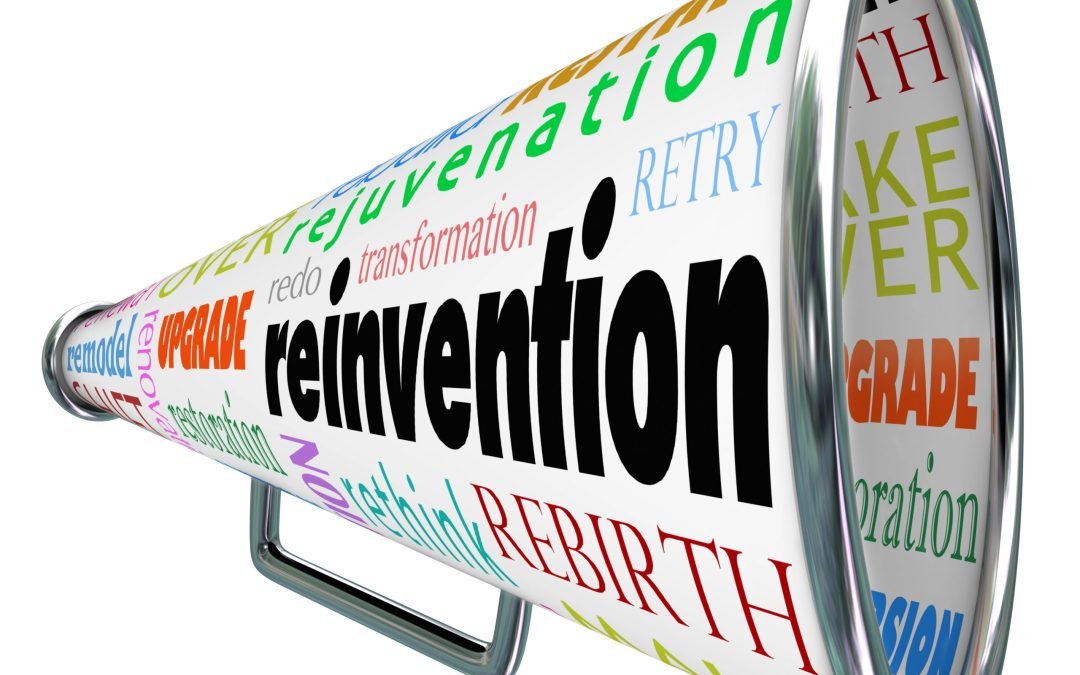
Reinvention.
Not as a buzzword.
Not as a shiny innovation project.
But as a leadership discipline that now sits at the very heart of business survival.
And here’s the reframe I want you to sit with:
Reinvention is not about throwing everything away.
It’s about taking the best of your past and carrying it forward in a way that actually works for the future.
pasted
Reinvention Is a Mindset, Not a Project
One of the biggest myths I see in leadership teams is this idea that reinvention means starting again from scratch.
It doesn’t.
Reinvention is a mindset shift.
A move away from fixed thinking and towards growth, adaptability, and learning.
Think about it like this:
- A fixed mindset says, “This is how we do things.”
- A growth mindset asks, “What’s now required?”
Nature gets this instinctively.
Forests don’t cling to last season’s leaves.
Animals don’t keep using behaviours that no longer keep them safe.
Everything in nature is constantly sensing, adjusting, and responding.
That’s reinvention in action.
And it’s exactly what modern organisations must learn to do if they want to thrive in uncertainty.
Leader action:
Ask yourself and your team this week:
What are we protecting out of habit rather than relevance?
Why Reinvention Has Moved From the Margins to the Core of Leadership
Reinvention used to sit on the edges of strategy decks.
Something you looked at once growth slowed or disruption hit.
That era is over.
Only 12% of Fortune 500 companies from 60 years ago still exist today.
Let that land.
The rest didn’t fail because they were bad businesses.
They failed because they didn’t adapt early enough.
Even global consultancies have clocked this. Entire reinvention divisions now exist because leaders know this truth:
Reinvention is no longer optional. It’s operational.
This is why CEOs increasingly say they want to spend more time reinventing than running day-to-day operations.
Because standing still is no longer neutral.
It’s dangerous.
Leader action:
Track how much of your time is spent on “keeping things running” versus “reshaping what’s next”. If it’s not close to 50/50, something needs to shift.
The Business Life Cycle Nobody Likes to Talk About
Every business follows a natural life cycle:
- Start-up
- Growth
- Maturity
- Decline
Just like the seasons.
Spring energy launches ideas.
Summer grows them.
Autumn harvests.
Winter clears what no longer works.
Here’s the uncomfortable truth:
Most businesses wait until decline before trying to reinvent.
And the data is brutal.
Only 12% of companies successfully reinvent once decline has started.
The smart ones?
They reinvent before maturity peaks.
Just like a farmer harvesting in August already planting seeds for next year.
Leader action:
Identify where your business sits on the life cycle right now.
Then ask, What needs planting now for the next curve of growth?
The Reinvention Clock Is Speeding Up
In the industrial age, businesses lasted around 75 years.
After the internet, that dropped to 15 years.
Today?
The average business lifespan is around three years unless it reinvents.
Three.
That changes everything:
- Long-term planning needs to be dynamic
- Skills must evolve constantly
- Strategy must adapt faster than ever
It also means most people will have 17 jobs across their lifetime.
Reinvention isn’t just a business skill anymore.
It’s a career survival skill.
Leader action:
Audit your organisation’s skills. Which ones are future-fit and which are quietly becoming obsolete?
The Three Mindsets Every Reinventing Leader Must Embody
From years of work with leaders, I see three qualities that separate those who thrive from those who stall.
1. Curiosity
Curiosity is the antidote to complacency.
It asks:
- What if?
- What else?
- What’s changing around us?
Curious leaders scan beyond their industry and invite new perspectives.
2. Adaptability
Adaptability is seeing uncertainty as an opportunity, not a threat.
Some of the best reinventions come from borrowing ideas from other sectors entirely.
3. Courage
This is the hardest one.
Courage means letting go of what used to work.
Making bold decisions without guaranteed outcomes.
Stepping into the unknown anyway.
Leader action:
Which of these three mindsets do you model most strongly, and which do you quietly avoid?
The Four Rs of Reinvention: A Practical Framework You Can Use Now
Reinvention doesn’t need to be chaotic.
It can be intentional and structured.
Here’s the framework I use with my clients.
Reflect
Get radically honest.
- What’s working?
- What’s not?
- What warning signs are we ignoring?
Reimagine
Lift your head up.
- If we started today, what would we do differently?
- What would we design without constraints?
Recalibrate
Think small and experimental.
- What micro-changes could unlock big impact?
- What low-risk experiments could we try next?
Repeat
Because reinvention is not a one-off.
It’s a continuous rhythm.
Leader action:
Run a Four Rs session with your leadership team this quarter. Reflection without re-imagination leads to stagnation.
Reinvention Is Now the Job Description
Here’s the final truth I want to leave you with.
Nearly half of a CEO’s time is now spent on reinvention, not operations.
Many wish it were more.
Reinvention has quietly become the work of leadership.
So the real question is this:
Are you creating space to reinvent, or are you trapped in the day-to-day grind?
And perhaps the bolder question:
Are you the right person to lead reinvention in your organisation right now?
Because reinvention is not a destination.
It’s a way of leading in a living, breathing system.
And those who learn to ride that rhythm will be the ones still standing in 2026 and beyond.
If this sparked something and you want to go deeper, I share more on reinvention, leadership, and team energy in the Impactful Teamwork podcast. And if you’re ready to actively reimagine what’s next, let’s talk.
Because in today’s world, the riskiest move of all is standing still.
Show Notes
00:00 Introduction to Impactful Teamwork
00:46 The Importance of Reinvention
01:48 Understanding the Reinvention Mindset
02:28 Reinvention in Practice
09:00 The Business Lifecycle and Reinvention
17:34 The Four Rs of Reinvention
21:10 Challenges and Solutions in Reinvention
23:38 Conclusion and Final Thoughts

by Julia Felton | Jan 13, 2026
Why business needs a radical leadership reset – now
What if the leadership style that got us here is the very thing holding us back?
That’s the provocative question at the heart of my latest Impactful Teamwork podcast conversation with Maria Brink, founder and president of Zynergy International.
This episode is not about polishing outdated leadership models.
It’s about fundamentally rethinking how we lead, who we listen to, and what kind of future we are actually designing through our decisions.
If you’re leading a business right now and feeling the tension, the burnout, the complexity, the sense that the old playbook just isn’t working anymore, this conversation will land deep.
Leadership hasn’t evolved for 10,000 years – and business is paying the price
One of Maria’s boldest insights stopped me in my tracks:
Leadership culture has barely evolved in 10,000 years – and it’s now killing business.
When you really sit with that, it explains a lot.
- Short-term decision making
- Ego-driven leadership
- Power hoarding
- Burnout cultures
- Disconnection from people, purpose, and planet
Much of modern leadership still rewards dominance, control, speed, and aggression. Traits that may once have helped tribes survive, but now actively undermine our ability to lead complex organisations in a volatile, interconnected world.
The result?
Organisations that look successful on paper, but are quietly eroding from the inside.
The hidden cost of hyper-masculine leadership energy
Let’s be clear, this is not about gender.
Maria and I are talking about leadership energy.
For centuries, leadership has over-indexed on what we might call hyper-masculine traits:
- Decisive at all costs
- Competitive over collaborative
- Status-driven
- Emotionally disconnected
- Short-term wins over long-term stewardship
And here’s the uncomfortable truth:
That energy is no longer fit for purpose.
Today’s business challenges are not linear. They are systemic, relational, and deeply human. They require leaders who can:
- Hold complexity
- Think long-term
- Balance courage with care
- Act decisively and inclusively
Without this balance, leaders burn out, teams disengage, and organisations fracture.
The three pillars of future-fit leadership
In the episode, Maria outlines three powerful pillars that define the leadership the future actually needs.
These are not “nice to haves”. They are survival skills.
1. Break the leadership monopoly
For too long, leadership has been dominated by a narrow set of voices.
Future-fit leadership actively brings in:
- Women
- Minority voices
- Indigenous wisdom
- Different cultural perspectives
Why does this matter?
Because diversity of perspective creates resilience.
Indigenous cultures, for example, hold deep wisdom around stewardship, interdependence, and long-term thinking. Wisdom business desperately needs as we face climate, social, and economic instability.
Leadership that excludes voices is leadership that blinds itself.
2. Widen the circle of connection
Traditional leadership often stops at:
- “Me”
- “My team”
- “My organisation”
That’s no longer enough.
Maria invites us to widen the circle to include:
- Communities
- Ecosystems
- Future generations
- The planet itself
This shift moves leadership from ego to eco.
When leaders think systemically, decisions change. Strategy changes. Success is no longer measured purely by quarterly returns, but by sustainable impact and collective wellbeing.
3. Balance masculine and feminine leadership traits
This is where leadership becomes truly powerful.
Future-ready leaders learn to hold paradox:
- Bold and humble
- Decisive and empathetic
- Confident and curious
- Courageous and compassionate
It requires emotional intelligence, adaptability, and the ability to read what the moment actually needs.
Leadership is no longer about wearing one fixed identity.
It’s about having a wide, flexible toolkit and knowing when to use it.
Why AI makes human leadership more important, not less
We also explore the rise of AI and its impact on leadership.
Here’s the irony.
As AI takes over task-based, repetitive, linear work, the very traits we’ve historically undervalued become our greatest advantage:
- Empathy
- Relationship-building
- Creativity
- Critical thinking
- Emotional intelligence
The leaders who succeed in the AI era won’t be the most aggressive. They’ll be the most human.
But only if we intentionally develop those capabilities, rather than assuming they’ll magically appear.
Unconscious bias – the invisible force shaping leadership decisions
One of the most powerful moments in our conversation is when we unpack unconscious bias.
The challenge with unconscious bias is simple:
You don’t know you have it.
It shapes who we hire.
Who we promote.
Who we listen to.
Who we dismiss.
Until leaders build awareness, they unknowingly recreate cultures full of “mini-me” thinking, which limits innovation, diversity, and growth.
Awareness isn’t about blame. It’s about choice. You can’t change what you can’t see.
The polycrisis – and why leadership must evolve fast
Maria introduces the idea of a polycrisis (sometimes called a meta-crisis).
This is not one isolated problem.
It’s multiple crises happening simultaneously:
- Climate change
- AI and technological ethics
- Global conflict
- Economic instability
- Social inequality
These challenges are deeply interconnected. They cannot be solved with siloed thinking or command-and-control leadership.
They demand leaders who can think holistically, act responsibly, and lead with humility.
Leadership evolution isn’t optional anymore. It’s essential.
What this means for you as a leader
If you’re leading a team, a business, or an organisation right now, this episode invites a powerful reflection:
- Where am I still leading from old conditioning?
- Whose voices am I not hearing?
- Where might control be limiting trust and contribution?
- How am I balancing performance with wellbeing?
Leadership is no longer about having all the answers.
It’s about creating the conditions where people, performance, and purpose can thrive together.
Ready to rethink how you lead?
This episode of Impactful Teamwork is a deep, honest, and challenging conversation for leaders who know the future demands something different.
🎧 Listen now if you want to:
- Future-proof your leadership
- Build resilient, human-centred teams
- Lead with impact, not ego
- Create momentum without burnout
And if this conversation sparks something for you, I’d love to hear your reflections. Leadership evolves through dialogue, not dogma
Show Notes
00:00 Introduction and Guest Welcome
01:52 The Evolution of Leadership Culture
05:21 Mindset Shifts for Sustainable Leadership
05:45 The Three Pillars of Modern Leadership
08:03 Balancing Masculine and Feminine Traits
11:33 The Role of AI in Future Leadership
17:54 Unconscious Bias in Leadership
21:15 Addressing the Poly Crisis
21:40 The Impact of Monopolised Leadership
22:45 Understanding the Public Crisis
24:02 The Role of AI and Biotechnology
26:34 Leadership Lessons from Nature
30:38 Insights from Indigenous Populations
34:38 The Importance of Belonging and Connection
36:23 Conclusion and Book Information
Please connect with Maria on LinkedIn here
You can purchase Maria’s book – Book The Leadership We Need at all good online book stores
by Julia Felton | Jan 6, 2026
AI is everywhere right now.
It’s writing emails, analysing data, building strategies, scheduling meetings, even coaching conversations. And if you’re a leader, you may be quietly wondering what many people won’t say out loud:
If AI can do all of this… what exactly are humans meant to do now?
This question is at the heart of a growing leadership crisis. And it’s not a technology problem. It’s an energy problem.
In this episode of Impactful Teamwork, I explored a distinction that every leader needs to understand if they want to build sustainable momentum in an AI-powered world: the difference between functionality and vitality pasted.
Why AI Is Forcing a Leadership Reckoning
Most leadership teams I work with are stretched thin.
- Teams are busy but not aligned
- Leaders are overwhelmed and acting as bottlenecks
- Organisations are investing heavily in tools
- Trust feels fragile
- Momentum is leaking out of the system
Despite more technology than ever, energy is draining away.
That’s because AI is accelerating what’s already broken.
For decades, we’ve organised work around doing tasks rather than generating contribution. AI is now exposing the limits of that model.
The real question leaders must answer is this:
Are you leading humans, or are you managing tasks?
What Is Functionality?
Functionality is the domain AI is rapidly taking over.
It includes work that is:
- Task-based
- Predictable
- Replicable
- Process-heavy
- Easily automated
Think data entry, scheduling, research, report writing, synthesis, basic analysis. AI can do these faster, cheaper, and more consistently than humans ever could.
This is why fear about job displacement is real. Many functional roles will change or disappear.
But here’s the crucial point.
This is not where human value lives anymore.
What Is Vitality?
Vitality is your irreplaceable life-force contribution.
It’s what humans generate, not what they execute.
Vitality shows up as:
- Insight
- Meaning
- Energy
- Narrative
- Connection
- Direction
- Judgment
AI can process information. It cannot create movement.
Vitality is what turns a group of individuals into a coherent, energised team.
And when vitality drains away, teams don’t fail because they lack tools. They fail because they lack clarity, trust, courage, and energy.
The Industrial Model Is Officially Obsolete
Historically, humans were valued by what they did.
In the industrial era, performance was measured by output. How many widgets per hour. How fast. How efficiently.
AI has now collapsed the value of that work.
In the AI era, humans are valued by what they generate.
- Perspective
- Discernment
- Cultural energy
- Trust
- Belief
- Momentum
This is the leadership shift most organisations haven’t made yet.
Ancient Wisdom for Modern Teams: The Stoic Lens
This isn’t a new conversation.
Over 2,000 years ago, the Stoics asked a similar question:
What makes a human valuable when circumstances change?
Their answer was four virtues: wisdom, courage, justice, and temperance. These map uncannily well onto what modern teams need in an AI-driven world.
Wisdom: Knowing What Still Requires a Human
Wisdom is not information. AI has plenty of that.
Wisdom is judgment, discernment, and sense-making.
In modern leadership, wisdom means:
- Knowing what matters
- Framing the right questions
- Setting intent and direction
- Interpreting outcomes
- Making decisions, not just generating options
Humans must own the beginning and the end of work. AI can support the middle.
In teams, wisdom shows up as clarity. Clear priorities. Clear decisions. Clear direction.
Courage: Stepping Out of Functional Safety
AI rewards predictability and efficiency.
Vitality requires courage.
Courage means:
- Initiating rather than reacting
- Standing for something before proof exists
- Redesigning your role before it’s automated
- Speaking when silence would be safer
Teams borrow courage from leaders. When leaders hesitate, energy freezes. When leaders step forward, momentum moves.
If your role could be automated tomorrow, courage is redesigning it today.
Justice: From “Me” to “We”
For the Stoics, justice meant contribution to the common good.
In modern organisations, justice is about value creation beyond self-interest.
This is the shift from ego to ecosystem.
Justice asks:
- Does this use of AI amplify people or diminish them?
- Are we creating value for the whole system?
- Are we stewarding trust or eroding it?
High-trust teams outperform not because they’re nicer, but because they move faster, argue better, and recover quicker.
Only humans can steward trust. AI cannot.
Temperance: Why More Efficiency Isn’t the Answer
Temperance is restraint, balance, and self-regulation.
AI makes it tempting to do more, faster, endlessly.
But vitality lives in the space.
- Reflection
- Presence
- Integration
- Energy management
Without temperance, efficiency turns into burnout.
This is why burnout isn’t a personal failure. It’s a leadership design flaw.
The Functionality Engine: Priestley’s Venn Diagram
Daniel Priestley offers a powerful model for how functionality actually works in an AI-enabled system.
Functionality emerges when three elements overlap:
1. Intellectual Property (IP)
This is human wisdom made explicit.
Your thinking, frameworks, decision rules, philosophy, and point of view.
AI has no original IP. It recombines what already exists.
Leaders who haven’t clarified their thinking get exposed quickly by AI.
2. User Experience (UX)
This is empathy made practical.
How intuitive, safe, and energising the system feels to real humans.
AI cannot feel frustration, fear, or confusion. Humans must design for that.
3. Local Language Models (AI)
This is the execution engine.
Automation, pattern recognition, speed, and scale.
AI does exactly what it’s told. No judgment. No ethics. No context.
Remove any one of these and functionality breaks.
What Leaders Must Do Next
The leaders who thrive in the AI era will stop confusing execution with contribution.
They will:
- Let go of replaceable work
- Amplify vitality
- Design energy, not just workflows
- Act as architects of direction and meaning
- Steward trust and momentum
Leadership is shifting:
- From doing to designing
- From managing tasks to stewarding energy
- From control to conditions
A Simple Experiment for This Week
Choose one functional task to automate, delegate, or redesign.
Then reinvest that time into one vitality activity:
- A deeper conversation
- A clearer decision
- A braver stand
- A trust repair
Because teams don’t need more efficiency.
They need more life.
And that is the work only humans can do.
Show Notes
00:00 Introduction and New Year Greetings
00:11 Exploring the Impact of AI in Business
01:30 AI’s Role in Repetitive Tasks vs. Human Vitality
02:34 Leadership Challenges in the AI Era
03:09 Functionality vs. Vitality in Modern Teams
03:45 The Shift from Functional Work to Generative Work
10:05 Historical Perspective: Stoic Virtues and Modern Teamwork
11:11 Applying Stoic Virtues in Today’s Teams
17:32 Daniel Priestley’s Model on Functionality
24:58 The Role of Leaders in the AI World
27:09 Conclusion and Future Vision for Teams

by Julia Felton | Dec 30, 2025
There’s a myth still running wild in business.
That growth comes from hustle.
That leadership means holding it all together.
That structure kills creativity.
I see it differently.
And so does Stuart Webb.
In this episode of Impactful Teamwork, I sat down with Stuart, a former scientist turned business value builder, to explore what happens when you stop winging it… and start leading your business like a living system.
What unfolded was a powerful reminder that freedom doesn’t come from less structure.
It comes from the right structure.
Let’s break it down.
When Smart People Go Rogue
Stuart’s story will feel familiar to many trailblazing leaders.
He began his career in science.
Process-driven.
Evidence-led.
Methodical.
Then he stepped into entrepreneurship… and threw it all out of the window.
Because somewhere along the way, we were sold the idea that business success comes from flying by the seat of your pants.
No systems.
No structure.
Just intuition, speed, and chaos.
The result?
Moderately successful businesses.
Lots of energy leakage.
And a growing sense that something wasn’t quite right.
The real breakthrough came when a mentor called him out.
“You’re a scientist,” he said.
“So why aren’t you using what you know?”
That moment changed everything.
Business as an Experiment, Not a Gamble
Here’s the shift Stuart made, and it’s a big one.
He stopped treating business like a gamble…
and started treating it like an experiment.
In science, you don’t change everything at once.
You test one variable.
You observe.
You learn.
You refine.
Imagine if more leaders ran their teams that way.
Instead of constant restructures.
Instead of endless initiatives.
Instead of burning people out with change fatigue.
This is where Stuart’s concept of the Scientific Business Value Builder was born.
And honestly, it mirrors what I see every day in nature.
Horses don’t waste energy.
Ecosystems don’t panic.
They adapt through small, intelligent adjustments
The PATH That Changes Everything
One of my favourite parts of our conversation was Stuart’s PATH framework, a deceptively simple model that brings clarity and calm to growing businesses.
P is for Purpose
Not your mission statement.
Your real reason for existing.
Who are you here to help?
What problem do they genuinely need solved?
When purpose is clear, selling disappears.
You’re no longer pushing.
You’re helping.
A is for Action
Ideas mean nothing without execution.
This is about creating repeatable actions that:
- Generate leads
- Deliver consistently
- Turn promises into results
Action creates momentum.
But only when it’s aligned with purpose.
T is for Team
This is where most leaders get stuck.
Because growing a business without growing your people is a fast route to burnout.
Which brings us to Stuart’s four pillars of excellent team leadership.
Stay with me here. This part is gold.
H is for Harmony
Not work-life balance as a luxury.
Harmony as a necessity.
Because if your business falls apart when you step away, it’s not a business.
It’s a dependency.
Harmony is the ultimate test of leadership maturity.
The Four Pillars of Teams That Scale Without Breaking
Stuart managed teams of over 600 people.
Not through control.
Through clarity and trust.
Here’s how.
1. Feedback, Fast and Frequent
Not annual reviews.
Not formal performance rituals.
Real-time feedback.
- “That really helped the team, thank you.”
- “That disrupted the flow, can you try something different next time?”
Short.
Human.
Behaviour-focused.
When feedback becomes normal, trust grows.
And people stop bracing for impact.
2. One-to-Ones That Actually Matter
Every two weeks.
Thirty minutes.
Three simple questions:
- What do you need to tell me?
- What do I need to share with you?
- What skills do you want to develop next?
This isn’t micromanagement.
It’s connection.
And connection is where performance lives.
3. Coaching, Not Carrying
Here’s the genius move.
Instead of fixing problems for people, Stuart asked them to find solutions.
Books.
Courses.
Experiments.
Ownership stays with the individual.
Growth accelerates.
This is how you build capability, not dependency.
4. Delegation With Guardrails
Delegation isn’t dumping.
It’s a structured handover of responsibility, with clear expectations and ongoing feedback.
The result?
Leaders stop being the bottleneck.
Teams step up.
And the business starts to breathe.
Why Harmony Isn’t Optional
One story Stuart shared stopped me in my tracks.
A couple preparing their business for exit planned to “test harmony” by taking three months off.
Before that could happen, a family emergency forced them away for weeks.
Old model?
The business would have collapsed.
New model?
The business held steady.
That’s the point.
You don’t build harmony when it’s convenient.
You build it before life demands it.
Because leadership isn’t proven in calm.
It’s proven in disruption.
What This Means for You
If you’re a leader who feels:
- Overstretched
- Central to everything
- Quietly exhausted
This episode is your invitation to rethink how you lead.
Not with more effort.
But with better design.
Your reflection questions:
- Where am I still confusing chaos with freedom?
- What feedback am I withholding that could unlock growth?
- What would change if I stopped being the bottleneck?
One simple action to take this week:
Give one piece of real-time, positive feedback to someone on your team.
Watch what happens.
Leadership isn’t about control.
It’s about creating conditions where people and performance can thrive.
And when science meets nature…
That’s where real momentum begins.
🎧 Listen to the full episode of Impactful Teamwork with Stuart Webb and start redesigning your leadership system from the inside out.
Show Notes
00:00 Introduction and Guest Welcome
01:37 Stuart Webb’s Journey from Science to Business
04:15 Applying Scientific Principles to Business
07:54 The PATH System Explained
13:26 Importance of Harmony in Business
16:20 Feedback and Team Management
19:10 Implementing One-on-One Meetings
19:27 Three Sections of Effective Meetings
19:52 Developing Skills Through Coaching
21:11 The Power of Delegation
23:21 The Importance of Feedback
25:26 Building Relationships and Empathy
32:18 The Value of Slow and Steady Change
36:05 Contact Information and Conclusion
To contact Stuart – https://www.linkedin.com/in/stuartwebb/ or www.the-complete-approach.com
by Julia Felton | Dec 23, 2025
As Christmas approaches, I always feel a natural pull to slow down.
To pause.
To reflect.
To take stock of what this year has really held.
And if I’m honest, 2025 hasn’t been an easy one for me. Things haven’t gone to plan. I’ve experienced loss, including the loss of two of my horses, and there were moments where I couldn’t see the gift in what was happening.
But I’ve learned this through life, leadership, and the herd.
There is always a gift.
Sometimes we just need time, space, and perspective to see it.
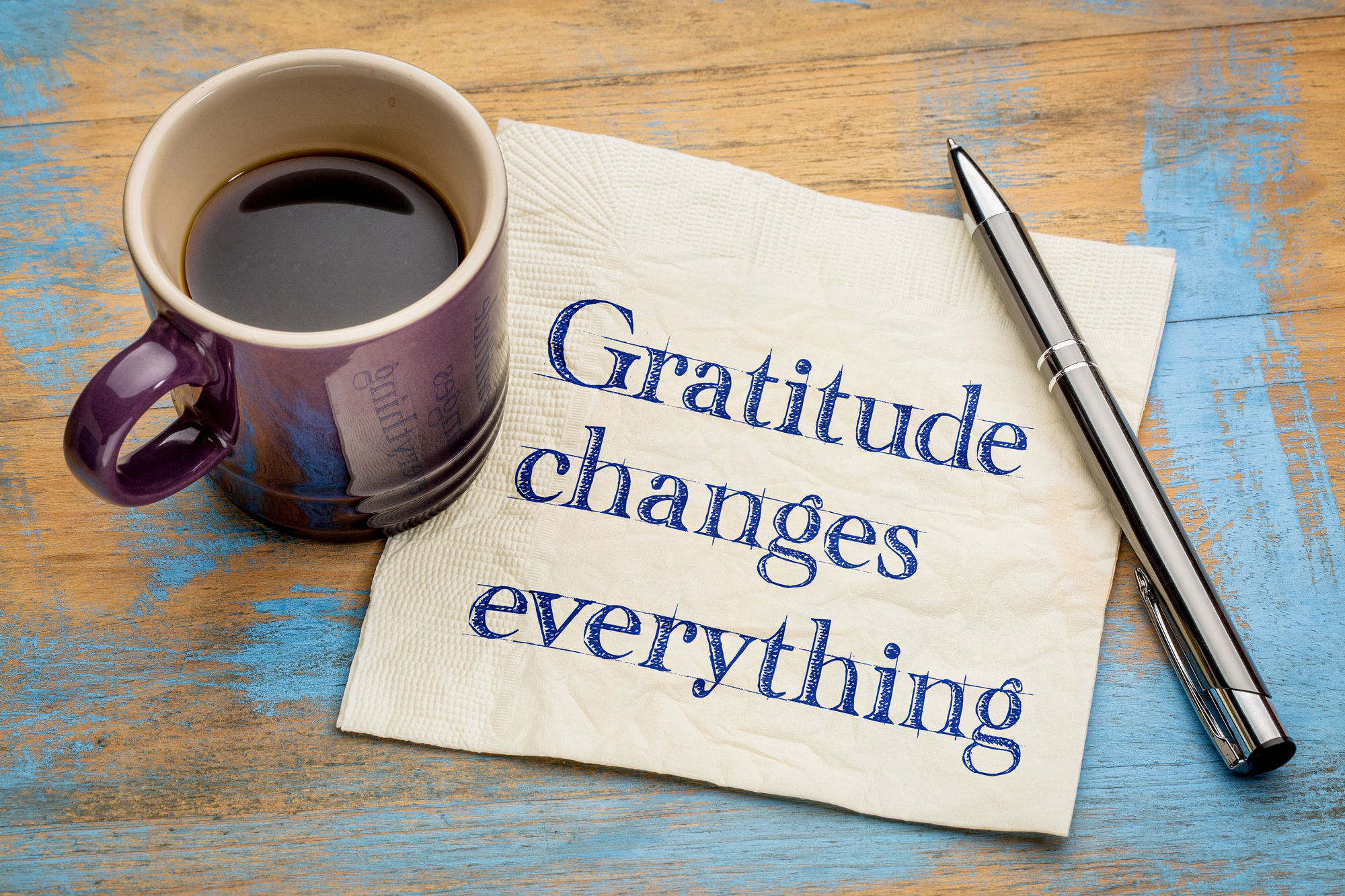
Which is why I wanted to record this episode of Impactful Teamwork on gratitude and appreciation. Not as a fluffy, end-of-year ritual, but as a smart, strategic leadership practice that restores energy, trust, and momentum.
Gratitude Is Not Soft. It’s Smart.
Let’s clear something up.
Gratitude is not:
- Weak
- Woolly
- Or a “nice to have”
It’s a high-impact lever.
Research shows that people who practise daily gratitude experience significantly lower cortisol levels, meaning they’re calmer, clearer, and more resilient. And studies have shown that simply saying “thank you” can increase performance by up to 50%.
That’s not sentiment.
That’s strategy.
So if your team feels flat, disconnected, or quietly disengaged, it’s rarely a performance problem.
It’s an appreciation problem.
Why Leaders Underestimate Appreciation
Most leaders I work with believe one of three things:
- “I say thank you, that should be enough”
- “They’re paid to do the job”
- “We’ll celebrate once we hit the target”
And yet, celebration is one of the most underused tools in business.
I see this all the time when people work with my horses. I ask them to acknowledge success, effort, or progress and they visibly squirm. They’re uncomfortable receiving appreciation, giving it, or celebrating it.
And yet in a horse herd, safety and cohesion are reinforced constantly.
Not annually.
Not via bonuses.
But through moment-by-moment acknowledgement, attunement, and presence.
Gratitude isn’t an end-of-year reward.
It’s a daily regulation mechanism.
Appreciation Builds Trust, Energy, and Momentum
When gratitude becomes part of how you lead, something powerful happens.
People feel:
And when people feel safe, their performance improves.
Energy lifts.
Trust deepens.
Ownership increases.
I’ve seen this repeatedly, whether I’m leading teams in corporate environments, running hospitality teams at racecourses, or working with younger generations.
What still shocks me is how many people react as though they’ve never been properly appreciated before.
That should stop us in our tracks as leaders.
The Iceberg of Gratitude
Most people think gratitude is about big things.
A promotion.
A house.
A milestone achievement.
But that’s just the tip of the iceberg.
Underneath are the small, everyday moments that truly regulate our nervous systems and reconnect us to joy.
- A laugh with a friend
- A book you couldn’t put down
- Sunshine on your back
- A quiet moment of peace
- Yes, even chocolate 🍫
When we train ourselves to notice what’s beneath the surface, gratitude sinks deeper into our lives and leadership.
And that’s where its real power lives.
Gratitude Regulates Energy Before It Motivates Behaviour
This is the bit most leaders miss.
Gratitude doesn’t just motivate people.
It regulates energy first.
In moments of pressure, uncertainty, or change, appreciation:
- Calms the body
- Lowers stress
- Improves decision-making
- Strengthens relationships
And when leaders are calmer and clearer, teams respond with more trust, creativity, and effort.
That’s why I see gratitude as one of the most underrated tools in any reinvention kit.
The Uncomfortable Truth About Leadership
Here it is.
Most leaders are excellent at spotting:
- Gaps
- Risks
- Problems
- What isn’t working
They are far less skilled at naming contribution.
And here’s the cost.
What you don’t name, you drain.
What you appreciate, you multiply.
If you want more ownership, energy, and accountability in your team, start by recognising it when it shows up.
Action Point: The Appreciation Inventory
Pause for a moment and reflect.
- Who on your team consistently gives energy but rarely gets acknowledged?
- Whose effort do you rely on without explicitly recognising it?
- When was the last time you named how someone’s contribution mattered?
This isn’t about praise.
It’s about precision.
General feedback feels nice.
Specific appreciation changes behaviour.
Appreciation vs Praise (They Are Not the Same)
Praise sounds like:
- “Great job”
- “Well done”
- “Thanks everyone”
Appreciation sounds like:
- “The way you handled that client protected the whole team”
- “Your calm in that meeting stabilised everything”
- “You took pressure off me without being asked, and that mattered”
If appreciation isn’t specific, it won’t regulate trust.
Action Point: The 24-Hour Appreciation Reset
Here’s your challenge.
In the next 24 hours:
- Appreciate one person
- Out loud
- In real time
- For the impact, not just the effort
Use this simple structure:
- What I saw
- Why it mattered
- The impact it had
Then notice what shifts, in them and in you.
What Becomes Possible When Appreciation Is Normalised
When appreciation becomes part of how you lead:
- Energy lifts without force
- Trust deepens without workshops
- People step up without being chased
Teams move:
- From compliance to contribution
- From effort to ownership
- From burnout to sustainable momentum
This is Teamship in action.
A Final Reflection
Before your next meeting, ask yourself:
Who in my world needs to be seen today, not managed?
Recognition doesn’t require a system.
It requires presence.
One sincere sentence can regulate a nervous system more effectively than any productivity hack.
As we close out this year, I want to say thank you. To you for listening, to my clients for trusting me, and to my horses, past and present, for teaching me more about leadership than any boardroom ever could.
Leadership isn’t about driving people harder.
It’s about creating the conditions where people want to give their best.
And gratitude is where that begins.
Show Notes
00:00 Introduction and Welcome
01:54 The Power of Gratitude
03:35 Gratitude in Leadership
09:42 Practical Tips for Showing Appreciation
14:42 Final Thoughts and Gratitude

by Julia Felton | Dec 16, 2025
Most people think leadership lessons arrive in boardrooms, big deals, or breakthrough moments. Mine arrived in the middle of a Thai detox retreat, after a year that cracked me right open.
This isn’t a strategy piece.
It’s a truth piece.
Because if we want sustainable momentum, we need to talk about the moments that stop us in our tracks, strip us bare, and force us to reckon with who we’ve become.
Welcome to the real behind-the-scenes of leadership.
When Grief Stacks, Your Energy Collapses
2025 hit me like a rogue wave.
Recently, losing my horse Coach Charlie, one of my herd’s beloved co-founders, was a shock that sliced straight through me. A dental check. A broken jaw. A tumour. And suddenly he was gone.
This came after losing Coach Toby earlier in the year, my steadfast companion of more than a decade. And underneath all that sat the grief I’d neatly avoided, packaged, and shelved… the deaths of both my parents in 2020 and 2023.
And then supporting my partner through a toxic work environment that drained the joy straight out of him.
Layer upon layer.
Loss upon loss.
Responsibility without room to breathe.
No wonder my body rebelled. My energy tanked. My habits spiralled. I found myself leaning into sugar like it might save me. Except it didn’t. It numbed me, distracted me, and left me exhausted.
Maybe you’ve been there too, carrying so much that you forget what lightness feels like.
Why Leaders Can’t See Themselves Clearly Until They Step Away
You know how horses lose awareness when they’re stuck in a tight space? Humans do the same.
Back home in the UK, I couldn’t see the cumulative weight of it all. I kept moving. Kept leading. Kept showing up. Blinkered. Focused only on what was right in front of me.
But the moment I landed in Thailand, the fog began to lift. A new environment expands perspective. Space invites truth.
And truth poured in.
I wasn’t just tired.
I was depleted at every level — physical, emotional, mental, and spiritual.
Exactly what I teach leaders not to allow.
Nature’s wisdom is clear: winter exists for a reason. Things die back so new life can grow. But I’d been refusing winter. Pushing through. Performing resilience rather than living it.
Maybe you know that feeling — being “fine” on the outside while quietly falling apart on the inside.
Radical Rest: The Leadership Skill No One Teaches You
I booked this trip on a whim, but it turns out it wasn’t a holiday. It was an intervention.
A full mind-body-spirit detox. Two weeks of stripping back everything. No sugar. No chaos. No noise.
Just space. Breath. Reflection. Realignment.
And in that quiet?
I rediscovered myself.
I remembered what physical vitality feels like.
I remembered what emotional regulation feels like.
I remembered what mental clarity feels like.
And I remembered what spiritual grounding feels like.
Our health really is our wealth. And most leaders are bankrupt without knowing it.
Identity Loss: The Silent Crisis Hitting So Many Leaders
One unexpected gift of this trip was meeting Harry, a 70-year-old retiree who introduced me to a beautiful reframe.
Retirement, he said, is not “retiring” — it’s rewiring.
Resetting your identity.
Reconfiguring your purpose.
Redesigning your value in the world.
His words cracked something open in me.
Because when I left my corporate role at Deloitte, I also left behind the identity I’d spent years building. I’d been “Miss Hotel Benchmark” — the woman who created a global market-leading business unit from a concept on paper.
And then suddenly, I was no one.
And I realise now… I’ve spent the last 15 years searching for a new identity without even knowing it. No wonder I’ve felt unanchored. Untethered. Depleted.
So many leaders go through this — that silent grief of losing who you thought you were.
Maybe that’s you right now.
Rest Isn’t Self-Indulgent. It’s Strategic.
Here’s the truth: you cannot lead your team, your clients, or your business if you’re running on fumes.
Nature doesn’t apologise for needing a season of stillness.
Herd leaders don’t apologise for slowing the pace so the weakest can catch up.
And yet leaders in business constantly apologise for needing rest.
Let’s call that out for what it is:
A cultural delusion. One that burns out brilliant humans every day.
Whether it’s two weeks like me, or two hours carved out each week… you need time that is yours alone.
Not for family.
Not for friends.
Not for work.
Not for obligations.
Time for you.
To breathe.
To remember.
To restore.
To decide who you want to become next.
That is not indulgence.
It is the foundation of sustainable leadership.
The Rewilding of Julia: What’s Emerging Now
I’m still in the messy middle of this reinvention. I don’t know exactly who I’ll be at the end of week two. But I can feel a new clarity rising.
A sharper edge.
A deeper truth.
A more grounded presence.
And I know this: my ponies will need me more than ever when I return. Toby and Charlie were their anchors. Now I must become that anchor.
And to lead an ecosystem — whether a herd or a business — you must be resourced. Centred. Connected. Full.
Not depleted.
Not performing.
Not pretending.
So the question becomes…
Where Are You Putting Your Own Oxygen Mask On?
Because if you don’t…
Your team feels it.
Your clients feel it.
Your family feels it.
Your business feels it.
Everyone pays the price when a leader runs empty.
And everyone benefits when a leader rises full.
Your Invitation: Create Your Own Season of Renewal
You don’t need Thailand.
You don’t need a detox spa.
You don’t need two full weeks.
You just need time that is yours.
So here’s my challenge:
What is the one thing you can commit to this week that nourishes your physical, emotional, mental, or spiritual energy?
Choose one.
Protect it fiercely.
Let it be the start of your rewilding.
Because your team doesn’t need a superhuman version of you.
They need the present, grounded, alive version.
The one only you can give them.
If this episode lands with you, send me a message. I’d love to hear what you’re choosing for yourself this week.
Show Notes
In this heartfelt episode of ‘Impactful Teamwork,’ the host shares their personal journey of rest, reflection, and reinvention from Thailand. Prompted by a series of personal losses and the realization of unprocessed grief, the host emphasizes the necessity of taking time out from the daily grind to recharge physically, mentally, emotionally, and spiritually. Speaking from a detox retreat, the host discusses the significance of health in achieving business success and offers insights into the value of self-care and finding one’s identity post-retirement. Listeners are encouraged to carve out time for self-reflection to improve overall well-being and leadership efficacy.
00:00 Introduction and Purpose of the Episode
01:13 The Importance of Rest and Rejuvenation
01:59 Personal Losses and Grief
03:19 Realisations in Thailand
04:30 Detox and Health Journey
07:17 Discovering Detox Spas
10:32 Conversations and Epiphanies
12:56 The Need for Personal Time
15:03 Conclusion and Invitation to Reflect

by Julia Felton | Dec 9, 2025
Most leaders don’t realise how much influence they lose the second they switch on a webcam.
In the boardroom, they’re confident, intentional, switched on.
Online?
They look like they’ve joined witness protection.
Giant forehead. Echoey audio. Distracting background clutter. Eyes staring at the screen instead of the people.
Trust slips. Engagement dies. Authority evaporates.
And because remote meetings now are the boardroom, this problem is no longer cosmetic. It’s existential.
So I brought in someone who lives and breathes this work.
This week on Impactful Teamwork, I was joined by Alfred Poor – keynote speaker, technology expert, and virtual-presentation specialist. His mission? Helping founders and leaders show up online with influence, clarity, and credibility.
This conversation was one of the most practical we’ve ever had.
Below is a full breakdown plus action steps you can implement today.
The 75% Reality Check
Gartner predicts that 75% of all business meetings in the US will be online. For many of us, it’s already higher.
Video calls are no longer the convenient option.
They are the core arena where leadership happens.
Hiring, firing, pitching, influencing, decision-making, problem-solving, performance reviews, investor conversations…
All increasingly happening through a lens.
As Alfred says:
“Video meetings are the new telephone… and also the new boardroom.”
If you are not intentional about how you show up, you’re choosing to undermine your own impact.
The Pandemic Broke Our Standards
Before COVID, only a handful of leaders used video regularly. After COVID, everyone was suddenly on screen with no training, no intention, no thought.
People slapped open laptops on kitchen counters.
Harsh lighting. Terrible angles. Distracting backgrounds.
Everything rushed. Nothing considered.
That “make do” mentality never reset.
But influence doesn’t happen by accident. It happens by design.
Alfred’s work boils virtual leadership down to three non-negotiables:
1. Be seen
2. Be heard
3. Minimise distractions
That’s it.
Simple. Powerful. Game-changing.
Let’s break them down.
1. Be Seen – Your Presence Matters
Online presence isn’t vanity. It’s leadership.
If people can’t clearly see your face, your eyes, your gestures, or your emotional cues, you lose authority. You lose connection. You lose trust.
Here’s what Alfred hammered home.
Fix your lighting
Most leaders have awful lighting because they rely on whatever room they happen to be in.
The fix is simple:
- Use two lamps with plain white shades
- Choose daylight bulbs (slightly blue, more flattering)
- Avoid yellowish light
- Move ring lights off-centre so you don’t flatten your face
- If you wear glasses, beware of those bright white donuts of reflection
Lighting doesn’t need to be expensive. It needs to be considerate.
Fix your framing
No more giant head. No more “up the nose” horror angle.
- Raise your camera to eye level
- Move it further back so your torso is visible
- Aim for the framing you’d see on BBC or Sky News
- Keep your gestures in your natural “power zone” (centre of your chest)
This instantly makes you appear more grounded, engaging, and trustworthy.
Fix your eye contact
Looking at people’s faces on screen feels like eye contact.
It isn’t.
Eye contact online = looking at the camera.
Alfred’s 50p hack:
Stick a pair of googly eyes next to the lens and talk to them.
Ridiculous. Effective. Transformative.
2. Be Heard – Your Voice Carries Your Leadership
Audio is the most underestimated part of virtual presence.
If your sound is muffled, echoey, or inconsistent, people stop listening. They drift. Their brain has to work harder, and that means they switch off.
Avoid your laptop mic
It picks up:
- Room echo
- Background noise
- Harshness
- Every tap on your keyboard
Better options
- USB mic (like the Blue Yeti in cardioid mode)
- Lavalier mic clipped to your clothing
- Headset if needed, especially in noisy environments
Tame the room
Hard surfaces create echo.
You don’t need a studio. You need softening:
- Curtains
- Cushions
- Rugs
- Even a blanket thrown over a table
If you wouldn’t hold a leadership meeting in a tiled bathroom, don’t sound like you’re sitting in one.
3. Minimise Distractions – Your Background Is Part of Your Brand
This is where leaders lose trust without realising it.
Stop using virtual backgrounds
Yes, I’m saying it.
Yes, Alfred said it too.
Your hair disappears.
Your hands glitch.
Your chair vanishes.
You look like a hologram.
It’s distracting, disorienting, and quietly damaging to your credibility.
If you haven’t thought about your background, people will wonder what else you haven’t thought about.
Better options
- Tidy real background
- Plain wall
- Photographic backdrop hung on a clothes rail
- A simple brand element like your logo or a company colour
And for the love of trust-building, remove anything:
- Messy
- Personal
- Political
- Strange
- Half-drunk
Your background speaks before you do.
A Big Mistake: Hiding Behind Slides
For years, screen sharing has meant:
Slide covers the screen.
Your face becomes a tiny postage stamp.
On a real stage, leaders never hide behind the screen.
They stand in front of it.
Alfred showed a brilliant alternative:
Use tools that allow your face and slide together.
You remain present.
Your authority stays intact.
Your message lands.
Even without fancy tools, you can:
- Speak to camera first
- Share the slide briefly
- Return to camera to anchor the message
Your presence is the presentation.
The Leadership Truth Underneath It All
This episode wasn’t really about cameras, lights, or microphones.
It was about leadership.
How you show up online reveals your:
- Intentionality
- Credibility
- Attention to detail
- Professionalism
- Authority
- Trustworthiness
If your team sees chaos behind you, they unconsciously question how you lead.
If your audio is unclear, they question your clarity.
If your lighting is off, they question your presence.
If you stare down at the screen, they question your confidence.
Your virtual environment is a leadership signal.
Make it a powerful one.
Action Steps You Can Implement Today
1. Record yourself on Zoom or Teams
Watch yourself back with brutal honesty.
Notice your lighting, framing, sound, background, and eye contact.
2. Improve one thing this week
- Raise your camera
- Add better lighting
- Clean your background
- Fix your audio
Leadership is built in micro-shifts.
3. Create a team virtual-presence standard
Your organisation needs shared agreements on:
- What “professional” looks like
- How backgrounds should appear
- Audio expectations
- How slides are presented
This enhances trust, clarity, and collective influence.
Final Word
Virtual leadership is not about turning yourself into a YouTuber.
It’s about bringing your real, grounded authority into the medium where leadership now lives.
After this episode with Alfred Poor, one thing is clear:
Remote influence is no longer optional. It’s a core leadership skill.
And when you master how you show up online, your team listens more deeply, your clients trust you more quickly, and your message travels further with less effort.
Listen to the full episode for the deeper insights.
Your virtual presence is part of your leadership legacy.
Start refining it today.
Show Notes
00:00 Introduction and Guest Welcome
01:23 The Importance of Virtual Meetings
04:30 The 75% Solution Explained
08:51 Lighting Tips for Virtual Meetings
14:55 Framing and Camera Setup
20:14 Lighting and Camera Quality
20:39 The Importance of Eye Contact
22:09 Virtual Backgrounds: Pros and Cons
23:22 Trust and Authenticity in Virtual Meetings
28:27 Effective Use of Microphones
33:38 Engaging Presentations with OBS Studio
36:38 Practical Tips for Leaders
36:55 Conclusion and Resources
You can connect with Alfred at: www.alfredpoor.com
Video Meeting Blueprint: https://alfredpoor.com/video-meeting-blueprint
Booking link for a free call: https://BookAChatWithAlfred.com

by Julia Felton | Dec 2, 2025
Have you ever thought about running your business like a Broadway show?
Not in the jazz-hands sense. In the “we perform at a world class level every single night, no matter what breaks, who is missing, or what chaos erupts backstage” sense.
In this episode of Impactful Teamwork, I spoke with Broadway dresser Teri Pruitt, who has worked on iconic shows like Wicked, The Lion King, Miss Saigon and more.
What she shared about backstage life is basically a live masterclass in high performance, trust and teamship.
Here is the blog breakdown of that conversation, and how you can apply Broadway leadership lessons in your business.
1. The Show You Never See: Hidden Teamwork That Makes It All Work
When we watch a Broadway show, we see the stars, the lights, the magic.
What we don’t see is the army behind them.
Dressers, swings, understudies, stage managers, props, set, tech, wardrobe. On Wicked alone, Teri told me there is a 14 person dressing crew, plus swings who cover when others are out.
And here is the kicker.
On almost every performance, the exact same group of people has never done the show together.
Illness. Injuries. Holidays. Life.
Yet the audience still experiences the same standard, the same wow, the same “how on earth do they do that?” show.
Business takeaway:
If your performance depends on a few heroes always being there, you do not have a team, you have a risk.
Ask yourself:
- If three key people were out tomorrow, would the “show” still run at the same standard?
- Is your backstage structure as intentional as your front stage promises?
2. Building Trust Fast With People Who Change Every Night
Most leaders complain about onboarding taking months.
On Broadway, new swings and covers have to be ready to go in a matter of performances, not quarters.
Teri explained how they train:
- First, new dressers shadow and watch.
- Then they run the track while Terry follows them.
- After that, they are on, alone, responsible.
Her line to them is brilliant:
“I’m going to let you stumble, but I’m never going to let you fall.”
That is trust in action. You are allowed to learn, but you are not allowed to fail alone.
Business takeaway:
This is the culture of experimentation we talk about in theory, lived in practice. You cannot develop capable people if you never let them carry the weight.
Reflect:
- Where can you let your team “stumble” safely, while making sure they never hit the floor?
- Are you holding on to work because you do not trust, or because you have not trained?
3. Problem Solving In Real Time: Plan B, C And D
This bit made me laugh and wince at the same time.
Example one:
An actor’s boot zip completely broke in a quick change. He had to go back on stage. No time for repair, no spare that fit. Terry grabbed gaffer tape, taped the boot internally so he could dance safely, then coordinated backstage to source another pair for later in the show.
Example two:
There is a goat character in Wicked who wears a tail. One night he went on without it. The stage manager flagged it. Teri had already created a backup goat tail in a box stage left from a previous incident, so she grabbed it, fixed it, and got back to her original cue on time.
That is not fluffy “be agile” talk. That is real time improvisation built on experience, foresight and systems.
Business takeaway:
Things will break. People will forget. Systems will glitch.
The question is not “how do we prevent anything from ever going wrong?”
The question is “how quickly and gracefully can we recover when it does?”
Try asking:
- Where are the “zipper breaks” in your business that you keep pretending will not happen?
- What are your backup tails, taped boots and plan Bs that mean the client never feels the wobble?
4. From Me To We: Teamship, Not Ego
Backstage on Wicked sounds a lot like a healthy herd to me.
Teri described it this way:
- Everyone knows their role.
- Everyone is watching the whole system, not just their bit.
- If someone is in the wrong place, you “shove with love” to get them safe and in position.
- You might be “responsible mainly for three actors”, yet you see the entire acting company as your responsibility.
Yes, there is hierarchy, there are stage managers and supervisors. But there is also this deep sense of shared responsibility. The show belongs to everyone.
That is pure teamship. Collective accountability.
Not “my department”, “my silo”, “my ego”, but “our performance”.
Business takeaway:
Your team does not need to be nice. They need to be honest, committed and willing to shove with love when something is off.
Consider:
- Are you creating a culture where people can call things out quickly without drama or blame?
- Do people feel responsible only for “their bit”, or for the whole experience you are delivering?
5. Consistency Without Killing Creativity
Wicked has been on Broadway for 22 years.
There are also productions in London, on tour, in Brazil, in Asia, in Australia. Different theatres, different casts, different cultures. Yet if you go to see Wicked in London or New York, the show feels the same.
How?
Because the creative team has:
- Clear scripts, choreography and costume plots.
- Associate directors and choreographers who go out and set up each version of the show.
- A strong footprint that can flex slightly to local constraints, like whether the theatre can take trap doors.
This is the holy grail many businesses are chasing.
Consistency of experience, with space for local adaptation.
Business takeaway:
You cannot scale chaos. You can only scale clarity.
Ask:
- Where do you need a stronger “production bible” for how things are done?
- Where are you over-controlling and killing local innovation, instead of setting guardrails and letting people adapt?
6. Give Them An A: Start From Trust, Not Suspicion
The moment that really landed for me was when Teri talked about trust.
Her advice for leaders was simple and radical:
“Give trust until trust is taken away.”
She linked this to Benjamin Zander’s book The Art of Possibility, and his famous “Give them an A” story. He told his music students they all had an A at the start of the semester, then asked them to live into it.
When you start from suspicion, your people are busy proving they are not untrustworthy. That is a waste of energy.
When you start from trust, you invite their best.
Of course, sometimes trust is broken, and you need boundaries, consequences and hard conversations. Terry shared a moment where she had to escalate a persistent problem to her supervisor very directly. That was not drama, that was protecting the integrity of the show and the people depending on her.
Business takeaway:
Trust is not naive. It is a strategic choice about where you place your energy.
Reflect:
- Do new people in your team feel like they start with an A, or like they are under suspicion?
- Where do you need to have the courageous conversation you have been avoiding to protect the “show”?
Key Takeaways: How To Bring A Bit Of Broadway Into Your Business
Here are some practical actions you can take this week:
- Audit your backstage.
Map who and what it really takes to deliver your “show” to clients. Where are the hidden heroes and the fragile points?
- Create safe stumbles.
Design one area where a team member can take ownership of a task, with you shadowing and supporting rather than controlling.
- Build your Plan B list.
Identify three critical failure points and create your “backup goat tail” solutions now, not when the curtain is already up.
- Practice shove with love.
Encourage your team to call things out kindly but clearly. Celebrate the person who protects the team by speaking up.
- Experiment with “Give them an A”.
Choose one person or project and consciously start from trust. Tell them what A-level contribution would look like and invite them into it.
If your team operated more like a Broadway company, where everyone is clear, prepared, trusted and collectively responsible, how different would your daily experience feel?
That is the invitation from this conversation with Teri
Stop trying to run a perfect, tightly controlled show in your head. Start leading a living, breathing ensemble that can adapt, improvise and still deliver something remarkable, performance after performance.
So, over the next week, what is one small “Broadway move” you are willing to make in your leadership?
Show Notes
00:00 Introduction and Guest Introduction
00:34 Teri’s Broadway Background
01:50 Teamwork Behind the Scenes
03:53 Challenges and Problem Solving
05:14 Building Trust and Rapid Training
08:08 Collective Responsibility and Team Dynamics
11:43 Handling On-Stage Mishaps
16:08 Learning and Iteration in Theatre
18:43 The Long Road to Broadway
19:32 The Importance of Trust and Levity
21:35 Handling Ego and Conflict
24:26 Consistency Across Global Productions
27:46 Lessons from Theatre for Business
31:32 Closing Thoughts and Farewell
You can connect with Teri at https://www.linkedin.com/in/teri-pruitt-a2b341101/

by Julia Felton | Nov 25, 2025
Trust snaps fast. One moment everything feels steady, and the next your team, your culture, your reputation is wobbling like a spooked horse sensing danger in the wind.
This week’s Impactful Teamwork episode hit a nerve, because trust isn’t an abstract leadership concept, it’s the lifeblood of every business that wants to grow with integrity. And right now, trust is breaking everywhere — from the BBC’s recent reporting scandal to a private moment at a Coldplay concert that destroyed two careers overnight.
If you lead people, you’re not immune.
And that’s exactly why we need to talk about what really happens when trust fractures… and how to rebuild it from the inside out.
The Trust Crisis We’re All Living In
The world is watching leaders more closely than ever. Every gesture, every message, every slip is recorded, re-posted, and ripped apart.
No wonder trust levels are at rock bottom.
- People distrust government
- People distrust the media
- People distrust teams, leaders, systems
When a global institution like the BBC falls into disrepute because of an edited video that distorted the context of Donald Trump’s comments, it’s not just a journalism problem. It’s a leadership problem.
Once doubt creeps in, credibility evaporates.
And the question people ask isn’t what happened? — it’s who are you really?
That’s the danger zone for any leader.
Trust Isn’t Built on Perfection, It’s Built on Congruence
This is where horse herds gift us a powerful truth.
A lead mare doesn’t lead because of a title, or force, or ego.
She leads because the herd trusts her energy, clarity, and consistency.
The moment her energy wavers, the herd senses it.
Humans are no different.
Your team may not speak it aloud, but they feel the mismatch between your words and your energy. They notice the micro-hesitations, the subtle shifts, the alignment or misalignment in every decision you make.
At my leadership workshops, we teach four foundations for trust:
- Unwavering attention
- Clear direction
- Aligned energy
- Authentic congruence
Miss one of these, and the horse walks away.
Miss them repeatedly, and so will your team.
This is why trust cracks long before it collapses — you just don’t always see the signs.
What Really Happens Inside Teams When Trust Breaks
It’s not dramatic at first.
It’s subtle, quiet, and easy to miss if you’re moving too fast.
- Communication becomes filtered
- People say what’s safe, not what’s true
- Creativity shrinks
- Engagement drops
- Silos harden
- Protection replaces contribution
According to the Unbridled Teamship Roadmap, trust is one of the three core levers of high-performance. When trust is strong, teams operate in a turbo-charged state where energy flows, people collaborate naturally, and momentum builds with ease.
But when trust erodes?
Teams slide into turbulence, then toxicity.
They stop co-creating and start self-protecting. They follow the rules but withhold their best thinking. They become guarded instead of generous.
Once trust collapses internally, it bleeds externally — into client relationships, partner networks, and your public reputation. Think BBC. Think the Coldplay scandal.
Trust breaks fast, and wide.
Owning the Break: The Courage Most Leaders Avoid
Here’s the uncomfortable truth.
You can’t rebuild trust you haven’t owned breaking.
Leaders often try the coward’s apology:
- “I’m sorry if people were offended.”
- “That wasn’t my intention.”
- “Let’s move on.”
None of these rebuild trust. Because trust isn’t about image management, it’s about integrity.
A real accountability statement sounds like this:
“I made a mistake. This caused harm. I own it. Here’s how I’m going to rebuild trust.”
This is why I had huge respect for the BBC’s Head of News when she resigned. She took full accountability for the failure of her team. She didn’t hide. She didn’t deflect. She stepped up.
That’s leadership. And in a world full of spin, it’s rare.
The Herd’s Wisdom for Repairing Trust
In a horse herd, when a leader misjudges a threat and causes panic, they don’t defend, hide, or spin. They regulate the herd through grounded presence.
Slow breath.
Soft body.
Calm energy.
Clear signals that safety has returned.
Leaders must do the same.
This is coherence. And without coherence, no trust repair lasts.
Step One: Assess the Damage
You can’t repair what you don’t understand.
Ask:
- Who has been affected?
- Where has the trust been dented — relationships, competence, or structure?
- What fears or narratives are now circulating?
- What does the team need to feel safe again?
This is where Healthy Curiosity, one of the levers in the Unbridled Teamship Roadmap, becomes essential. Leaders must create the conditions for real candour, not compliance.
Step Two: Communicate Before Silence Creates a Bigger Hole
Silence destroys trust faster than mistakes.
When the BBC delayed responding, the gap widened.
This happens in companies every day.
People don’t fear bad news as much as they fear not knowing.
Transparency is oxygen.
Withholding is poison.
Even if you legally can’t say everything, you can always say something:
- “Here’s what we know.”
- “Here’s what we don’t.”
- “Here’s what we can’t share yet.”
- “Here’s what you can expect next.”
Honesty breeds safety.
Step Three: Demonstrate Change Through Micro-Actions
Apologies don’t rebuild trust. Patterns do.
This is where leaders often fall down. They say “Sorry”, then continue with business as usual.
Your team needs visible behavioural change.
Try:
- Inviting the team to hold you accountable
- Reporting on progress openly
- Asking for feedback
- Seeking coaching or external support
- Showing congruence between your words and energy
Remember:
Horses don’t believe what you say. They believe what you emit. Humans are the same.
Trust as a Living System
Trust isn’t a one-time transaction. It’s a living ecosystem.
It grows through alignment. It dies through misalignment. And it renews through courageous honesty.
Every trust-building moment is like adding a coin to a money box. Every violation is like breaking the box and watching all the coins scatter across the floor.
You can rebuild – but it takes time, presence, and consistency.
Action Points: Repairing Trust in Your Team
1. Do a Trust Audit
Ask your team: How safe do you feel to speak openly? What’s eroding trust? What needs rebuilding?
2. Model Vulnerability
Share a mistake. Own it. Show your team congruence in action.
3. Rebuild Through Rituals
Regular check-ins, office hours, or open conversations create safety.
4. Regulate Your Energy
Your team trusts your presence before your words. Ground yourself first.
5. Track Your Patterns
Don’t promise what you can’t deliver. Consistency builds credibility.
Your Leadership Legacy Depends on Your Next Move
Trust is earned moment by moment. When it shatters, your next move defines your legacy.
Don’t reach for spin. Reach for truth.
Because in a world obsessed with image, integrity is the real power move.
If you’re ready to explore how trust, energy, and curiosity shape your team’s performance — and how to transform trust into your competitive advantage — take the Turbo-Charge Your Team Quiz and book your Team Audit.
Let’s rebuild trust from the inside out so your team can move with flow, freedom, and unstoppable momentum.
Show Notes
00:00 Introduction to Impactful Teamwork
01:25 Current Events Highlighting Trust Issues
02:45 The Fragility and Importance of Trust
03:40 Rebuilding Trust: Lessons from Leadership and Horse Herds
06:57 Consequences of Broken Trust in Teams
08:41 Steps to Rebuild Trust
14:24 Practical Examples and Final Thoughts
18:51 Conclusion and Call to Action
by Julia Felton | Nov 18, 2025
We keep saying we want more creativity at work, yet most leaders I meet are exhausted, over-analysing everything, and quietly sliding towards burnout.
In this week’s episode of Impactful Teamwork I sat down with Dr Andre Walton, who I dubbed an “organisational creativity architect”, to explore what really blocks creativity in teams and what we can do about it.
His story weaves art, physics, entrepreneurship, and jazz together, and lands in a very simple truth: if you want more creativity and innovation, you must change the way you think, work and relate.
Not in theory, in your actual day.
Let’s unpack it.
Why Creativity At Work Feels So Hard
We romanticise creativity as the magical spark, the big idea in the shower, the genius who sees what others cannot.
Yet in organisations, creativity is often squeezed out by:
- Constant pressure to perform
- Obsession with short term metrics
- A culture that worships “being busy” over being present
- Fear of looking foolish in front of the boss
Dr Andree sees this especially in people on the edge of burnout. They are brilliant, committed and diligent, yet their thinking has narrowed to one mode only, like a racehorse with blinkers on.
Which takes us to one of my favourite distinctions from our conversation.
Divergent vs Convergent Thinking, And The Burnout Trap
Thanks to functional MRI, we now know that different neural pathways light up in the brain when we think creatively versus when we think analytically.
- Divergent thinking is expansive. It explores, plays, asks “what if”. This is the way you thought as a small child, when the world was new and everything was interesting.
- Convergent thinking is focused and analytical. It drills down, reduces options, searches for the one right answer. This is the mode that is rewarded in most corporate environments.
Neither is wrong. The problem is imbalance.
When leaders live almost entirely in convergent mode, they start to:
- Lose perspective, stuck in tunnels instead of seeing horizons
- Exclude alternative ideas and voices
- Drive themselves into burnout because everything becomes about “pushing through”
Creativity, resilience and genuine problem solving only flourish when there is a healthy rhythm between the two.
The Three Rs: Relationships, Recreation, Responsibilities
Dr Andree shared three pillars he sees consistently fraying when people hit burnout. I suspect at least one will resonate with you.
- Relationships
Burnout often isolates. You withdraw, stop delegating, and other people begin to feel like interruptions rather than allies.
- Recreation
You forget to have fun and instead engaged in Netflix-collapse-on-the-sofa recreation rather than genuine restorative time.
- Responsibilities
As you burn out you tend to grab more, not less. You hold onto work you should have handed over three promotions ago. You become the bottleneck and the fixer.
His framing is simple and uncomfortable. If you want to rebalance your thinking and reignite creativity, you must tend to these three areas, not just “try harder”.
Why Walking And Nature Unlock Creative Brains
I talk about nature a lot, so I was delighted when the science-backed version turned up in this conversation.
When you go for a rhythmic, low effort walk, especially in nature, something powerful happens:
- The part of the brain that connects the left and right hemispheres, the corpus callosum, increases its data capacity
- You are no longer using the same neural pathways you use for spreadsheets, forecasts and problem lists
- You create the conditions for those “walking the dog aha moments” we all secretly rely on
The key here is regular, gentle rhythm without cognitive demand. Walking in a park, by a lake, along a bridleway, not scrolling your phone.
It is not a fluffy wellbeing extra. It is how you reclaim divergent thinking so you can actually see new options.
Tiny Experiments To Break Your Mental Tunnel
One of my favourite parts of the conversation was how practical Dr Andree made this. You do not need to blow up your life to get your creative brain back.
You can start with tiny acts of rebellion against routine:
- Take a different route to work
- Order something new at your regular restaurant
- Choose a different restaurant entirely
- Introduce a weekly date night or friendship night that you actually protect
- Schedule one walk a week in a beautiful, natural place, without using it to solve a problem
These might look trivial, yet they are signals to your brain that change is safe, that there are other paths available. Over time, they build your capacity for divergent thinking again.
Teams As Jazz Bands, Not Marching Armies
You know I love my horse herd metaphors, and interestingly, Dr Andree brought in jazz.
In a jazz band everyone:
- Follows a shared structure or theme
- Knows when to play in tight synchrony
- Knows when to step out and improvise, bringing their individuality fully to the front
That is how high performing teams work too.
This nonsense phrase “there is no I in team” came under fire in our conversation. There absolutely is. Teams need:
- The wild idea generator
- The big picture strategist
- The implementer who gets it done
- The polisher who refines and improves
- The playmaker who orchestrates the flow
If you crush individuality in the name of harmony, you kill creativity and morale. Just like a herd of horses with blinkers on, you lose your ability to sense and respond to what is really happening.
You Cannot Bolt Creativity On To A Dead Culture
We also tackled one of the biggest lies in corporate life.
You cannot:
- Build a little innovation lab at the end of the car park
- Hire a few “creative types” in trainers and hoodies
- And expect the rest of the organisation to magically become innovative
If creativity is not a core value, it will always be a sideshow.
That means:
- Risk taking is allowed, not punished
- Experiments that do not work are treated as data, not failure
- There are “champions” in each department who carry the flame of creativity and protect it
- Finance is a partner, not the gatekeeper that kills everything new at birth
Otherwise you burn through your best creative people, who eventually leave because the environment is fundamentally hostile to the way they think.
Happiness, Safety And The Courage To Be Yourself
Right at the end we circled back to something deeply human.
Work is happier and more creative when people feel safe to:
- Be themselves
- Share what is really going on in their lives
- Ask “is this normal?” about their teenagers, their fears, their doubts
- Show vulnerability without fearing it will be used against them
Our deepest need after food and water is connection. Yet most of our waking life is spent at work. If your workplace does not allow genuine connection, it will never sustain creativity or wellbeing.
Psychological safety is not a tick box. It is the soil that allows individuality, innovation and everyday ingenuity to grow.
This Week’s Challenge: Unleash A Little More Creativity
So here is my invitation to you, straight from this powerful conversation with Dr Andree.
Over the next seven days:
- Choose one relationship to nurture. Reach out, reconnect, ask for support, or simply be more honest.
- Schedule one piece of true recreation. A walk in nature, a hobby, something where your brain is off duty.
- Audit your responsibilities. Write down everything you are currently holding. Then circle one task you can delegate or stop.
And as you move through your week, notice:
- When you are in tunnelled, convergent thinking
- When you allow yourself to expand into divergent thinking
Because creativity is not missing. It is waiting.
Waiting for you to create the conditions for it to breathe again, inside you and inside your team.
If this has landed for you and you want to go deeper into how to build more creative, energised and resilient teams, tune into the full episode of Impactful Teamwork with Dr Andree Walton and then ask yourself, honestly:
Where in my leadership have I been wearing blinkers, and what would it look like to take them off?
Show Notes
00:00 Introduction and Host Welcome
00:53 Meet Dr. Andre Walton: The Creativity Architect
01:31 Dr. Andre’s Journey into Creativity
04:25 The Science Behind Creativity
05:05 Balancing Analytical and Creative Thinking
07:19 Strategies to Combat Burnout
07:45 The Role of Relationships, Recreation, and Responsibilities
11:35 The Importance of Delegation and Defined Roles
16:12 Creativity in Leadership and Team Dynamics
27:27 Challenges of Maintaining Creativity in Organizations
29:46 Embedding Creativity in Company Culture
34:22 Creating a Happier Workplace
38:26 Conclusion and Final Thoughts
You can learn more about Dr Andre here and connect to him on LinkedIn