by Julia Felton | Jun 2, 2026
The hidden cost of decision drag, and what high-accountability executive teams actually do differently.
You came back from holiday to find a hundred decisions waiting.
Most leaders I work with are not suffering from a talent problem. They have capable, intelligent, well-paid people sitting around their leadership table. And yet somehow, everything still routes back to the top. Every significant decision. Every cross-functional trade-off. Every moment of uncertainty. All of it climbing back up the hierarchy to land yet again on the CEO’s desk.
That is not a coincidence. It is a pattern. And it is costing scaling businesses far more than most leaders have ever stopped to calculate.
McKinsey research found that executives spend, on average, 37% of their time on decisions that could and should be made by someone further down the organisation. Not complex strategic judgements. Routine decisions — budget approvals, supplier choices, operational calls — the kind of decisions your leadership team is, in theory, fully empowered to make. At a fifty-hour week, that is eighteen and a half hours spent in the wrong place. Eighteen and a half hours not spent on the strategy only you can develop, the relationships only you can build, the future only you can see clearly.
Yet most leaders I meet have never actually calculated that number. Which is why the cost stays invisible — and the pattern stays unchanged.
The system is teaching your team to wait
Here is the mechanism most leadership programmes miss. Every time you weigh in on a decision that was not yours to make — every time you quietly reverse a call, add yourself to a thread to ‘stay close’, or step in because it’s quicker to just deal with it yourself — the system updates. Your team learns. And the lesson is precise: the correct answer involves the CEO.
This is not a character failure on anyone’s part. It is a rational adaptation. If someone always catches the ball, you stop throwing it with any real conviction. The team is not incapable. They are waiting for the system to give them a different signal. And the system keeps giving them the same one.
I see this dynamic play out in the equine work I do with leadership teams. When I bring a group into the arena without clear direction — without named ownership, without a defined outcome — the horses disengage. They drift. They find something more interesting to do at the other end of the field. Not because they are difficult. Because the horse herd has been reading the quality of human intention for millions of years, and diffuse, unclear energy is something they simply will not follow. They require coherence before they will commit.
Teams are no different. Unclear ownership produces disengagement. Every time.
Accountability is not what most people think it is
Before we go further, I want to clear up a confusion that sits at the root of most failed leadership interventions.
When leaders hear the word ‘accountability’, they almost always think: consequences. Someone dropped the ball. Now someone pays a price. That is not accountability. That is blame repackaged.
Real accountability is a posture. It is the decision, made in advance, to stand behind an outcome as if it is yours — regardless of who else is involved, regardless of whether you are being watched, regardless of whether the result is convenient to own.
And it is different from responsibility, though we use the two words as if they are the same. Responsibility is what you are assigned. It is task-focused. It can be shared, delegated, distributed across a team. Five people can all be responsible for a project.
Accountability is what you choose to own. It is outcome-focused. Singular. You cannot accountability a group. At the end of the day, one person either stands behind the result — or they do not.
This distinction matters in practice. Think about the last cross-functional project that missed. Marketing did their part. Sales did their part. Operations did their part. And yet the launch underdelivered. In the post-mortem, everyone was responsible. Nobody was accountable. That is not a capability failure. It is an ownership failure. And it is entirely structural.
Why most accountability programmes do not stick
This is why the culture workshops, the values exercises, the offsite with the accountability module — produce a visible shift for three weeks and then fade quietly back to the same patterns. They address accountability at one level and expect change at all three.
Because accountability operates entirely differently depending on whether you are looking at the individual, the team, or the organisation itself. Fix one and leave the other two untouched, and the system pulls back to where it was.
At the individual level, accountability requires three conditions to be simultaneously true: the person knows precisely what they own, they have the genuine authority to deliver it, and — this is the one that collapses most quietly — they believe that honesty about problems, setbacks, and failure will be received without punishment. Research published in the Journal of Business Ethics, synthesising over a hundred studies on accountability between 2015 and 2025, confirmed what I observe with every leadership team I work with: when ownership feels riskier than deflection, individual accountability goes underground. People do the work. They just do not stand behind it.
At the team level, the dynamic is more complex still. A team can have individually accountable members and still function as a collectively unaccountable unit. Because team accountability is not the sum of individual accountabilities — it is a distinct collective state that requires something individual accountability does not: mutual investment in each other’s outcomes. Not just owning your own lane, but being genuinely invested in whether your colleagues succeed or fail. When that exists, people notice when a peer is off track and feel obliged — not by instruction, but by genuine shared commitment — to say something. That is what I call Teamship. And it is the hidden competitive advantage in almost every scaling business I have encountered.
At the organisational level, the issue is structural. Organisations are systems. And systems train behaviour. If your decision architecture concentrates authority at the top, your team will learn to wait for permission. If your reward system — regardless of what it claims to value — actually rewards people who manage upward skillfully, your people will manage upward. If bad news tends to stay local and good news gets escalated, your leadership team will make decisions on systematically incomplete information.
You cannot accountability-train your way out of a system that rewards avoidance.
This is precisely why RACI frameworks — the most widely used tool for clarifying ownership in organisations — so consistently fail in practice. They treat accountability as something you can install structurally: put one name in the Accountable column, and assume the culture follows. It does not. The chart and the culture are entirely different things.
What genuinely high-accountability teams do differently
The difference is visible, and it is specific. In the executive teams where accountability is genuinely working, ownership is declared publicly — not just assigned privately. Not ‘the team is working on the Q3 launch’, but ‘Sarah owns the Q3 launch. She has committed to a signed-off brief by Thursday. What does she need from us?’ Named. Timed. Witnessed. Accountability that lives only in a spreadsheet has no social weight.
The leader has also stopped rescuing. Every time a leader steps in to fix something that is not theirs to fix, they communicate something precise to the team: I do not trust you to handle this. It is offered as support. It is received as a vote of no confidence. The most accountable thing a leader can do is hold the line — return the problem, let the team feel the weight of their own decision, and resist the urge to make it go away more quickly than it would go away without them. That discomfort is not a problem to be managed. It is how the muscle gets built.
And on a Monday morning, these teams look different. The week begins with named owners and live commitments — not a re-run of what was discussed last week, because accountability does not switch off at five o’clock on Friday. The leader, in these teams, is genuinely the least busy person in the room at the start of the week. Not because they are less capable. Because the work is genuinely theirs.
So the question worth sitting with is this: when you look at your leadership team right now, how much of what lands on your desk on a Monday could have been resolved without you — if the conditions for genuine ownership actually existed?
That is the question I explore in the latest episode of the Impactful Teamwork podcast — including the three specific practices that start shifting the system without requiring a restructure, an offsite, or a leadership development programme.
And if this is the conversation your leadership team needs to have — properly, with space and commercial rigour and practical tools you can use the following week — I am hosting a small-group Executive Forum specifically on this.
Decision Velocity: How Executive Teams Stop Becoming the Bottleneck is a 60-minute live working session for senior leaders of scaling businesses. We will go deep on decision drag, the three levels of accountability most organisations only half-address, and the structural conditions that let your team carry the weight they are paid to carry.
Small group. Working session. Immediately applicable.
Register your place for the next Executive Forum by emailing co*****@****************er.com
Show Notes
00:49 Holiday Decision Pile
02:42 Decision Drag Costs
04:51 Accountability Trap
06:52 Redefining Accountability
07:46 Responsibility vs Ownership
10:06 Three Accountability Levels
10:51 Individual Accountability شروط
12:31 Team Accountability Teamship
14:13 Organizational Systems Matter
15:41 Five High Accountability Habits
16:00 Public Ownership
16:51 Stop Rescuing
18:02 Monday Momentum
18:36 Challenge Every Direction
20:27 Named Owner When Wrong
21:26 Three Actions Now
23:41 Executive Forum Invite
25:21 Final Leadership Takeaway
by Julia Felton | May 26, 2026
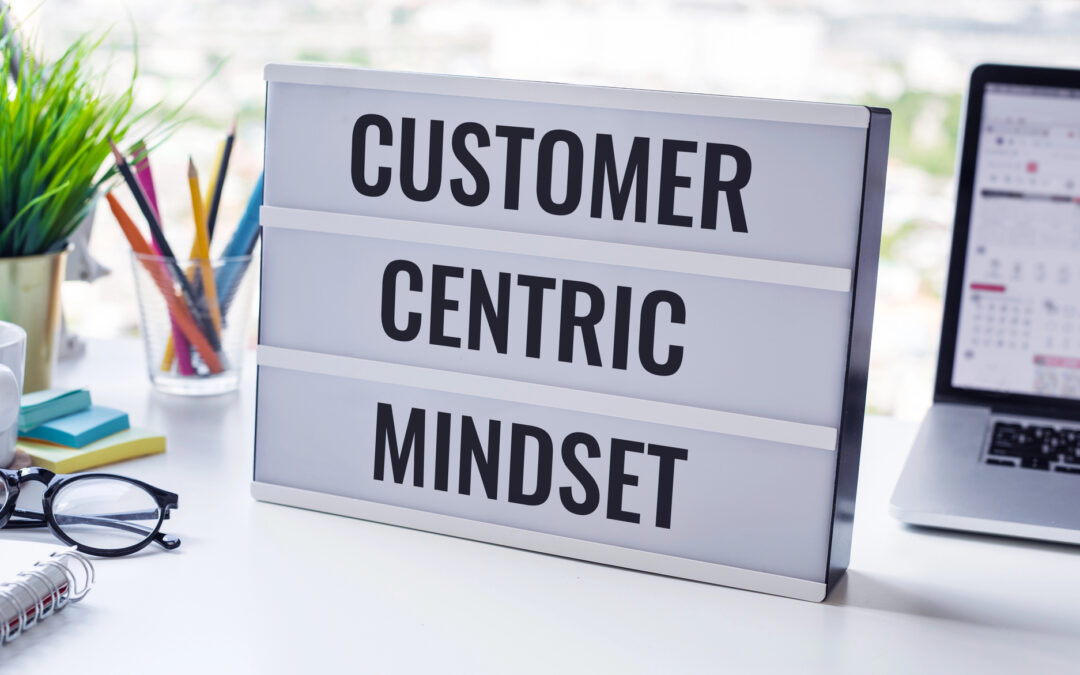
Customer experience is never just about the customer.
That might sound odd when we are talking about hospitality, retail, quick service restaurants or any other customer-facing business, but it is the truth that too many leaders still miss.
The customer may be the person paying the bill, walking through the door, placing the order or leaving the review, but the real experience begins much earlier, in the way your team feels when they come to work.
Because a team that feels unseen, unsupported or unclear about what is expected of them will struggle to deliver the kind of experience that makes customers want to come back.
And that is exactly where my conversation with Nate Robinson began.
Nate is a senior retail veteran with experience across customer-facing environments, including quick service restaurants and sales. In this episode of Impactful Teamwork, we explored what it really takes to create a customer-centric culture, particularly when you are leading frontline teams who are often under pressure, underpaid, and expected to deliver brilliant service in fast-moving environments.
Customer-centric leadership starts with people
Nate describes himself as a people pleaser by nature, and it is clear that his passion for customer service comes from understanding one simple commercial reality: customers drive the bottom line.
However, the route to better customer experience is not simply telling people to smile more, move faster or “care more”. That old approach belongs in the leadership scrapyard.
The real work is helping team members understand why their role matters, what great looks like, and how their individual contribution impacts the whole business.
In hospitality and retail, things move quickly. Problems appear in real time. Guests complain. Orders go wrong. People have to make decisions on the hoof, often without the luxury of time, a perfect script or a senior manager standing beside them.
That is why these environments can be such powerful training grounds for leadership, accountability and problem-solving.
When leaders get it right, frontline team members do not just serve customers, they learn how to take ownership, think quickly, communicate clearly and recover when things do not go to plan.
The Three I Framework: Inspire, Invest and Innovate
One of the most practical parts of our conversation was Nate’s Three I Framework: Inspire, Invest and Innovate.
Inspire is about understanding what makes people show up, what they want from the role, and what they are trying to move towards. Not everyone wants to stay in a frontline role forever, and great leaders do not pretend otherwise. Instead, they help people grow, whether that means supporting them into management or helping them build skills for whatever comes next.
Invest is about making sure team members feel part of the team, not just part of the rota. Nate made the point that people work harder when they feel invested in, and I think that is such an important distinction because investment does not always mean expensive training programmes. Sometimes it means attention, encouragement, clarity, feedback and the sense that someone actually cares about your development.
Innovate is about finding different ways to train, engage and develop people, rather than assuming one approach works for everyone. Nate shared a great example of using a game to help a team member understand urgency, and this really resonated with me because leadership is so often an experiment.
What works for one person may fall flat with another.
The old way says, “Here is the playbook, follow it.”
The new way asks, “What does this person need, in this moment, to understand, grow and contribute?”
Why new managers need boundaries, not micromanagement
We also talked about one of the biggest traps new managers fall into, getting dragged back into the work they used to do because that is where they feel comfortable.
This happens all the time.
Someone gets promoted because they are good at the job, then suddenly they are expected to lead the people doing the job, but no one has helped them make that identity shift. So they dive back into the weeds, interfere with the team, over-function, micromanage, and then wonder why everyone feels frustrated.
Nate’s advice was beautifully simple: set boundaries and define your non-negotiables.
For him, non-negotiables are the clear expectations that everyone understands and works within, such as being on time, asking questions, wearing the correct uniform or following specific standards that matter to the business.
And this is where I think leaders often underestimate the power of stating the obvious.
Your team cannot play the game well if they do not know the rules of the game. Whether you are on a football pitch or a rugby pitch, the rules shape the behaviour, and it is exactly the same in business.
Clarity is not control.
Clarity is kindness.
Purpose, culture and the squeezed middle manager
Another thread that ran through this conversation was the pressure on today’s managers, especially middle managers who are being squeezed from both sides.
From above, they are dealing with performance metrics, KPIs, commercial targets and decisions they may not always fully control. From below, their teams want more support, more coaching, more nurturing and more clarity.
That is a lot for one person to carry.
And yet, developing people is no longer something that can be outsourced to HR. It is part of modern management, and this is where many managers need more support, because they are being asked to hold performance, wellbeing, culture and customer experience all at once.
No wonder so many feel exhausted.
Authenticity is no longer optional
Towards the end of the conversation, Nate and I talked about authenticity, and why it matters so much in today’s workplace.
People can sense when something is off.
They can sense when a manager is hiding behind a role, following a script or pretending to care. In a world where so much content, communication and leadership noise is becoming polished, automated and AI-generated, genuine human connection matters more than ever.
That is one of the reasons I love these podcast conversations. They are unscripted, real and sometimes gloriously off-piste, because that is where the insight lives.
Leadership is not meant to be robotic.
It is meant to be human.
Listen to the full episode
This episode is a brilliant listen for leaders, managers and business owners who want to create better customer experiences by building stronger, more engaged and more confident teams.
You will hear Nate and I explore:
- How to motivate frontline teams in fast-paced environments
- Why customer experience starts with team experience
- How to use the Three I Framework: Inspire, Invest and Innovate
- Why non-negotiables create clarity rather than control
- The pressure facing middle managers today
- Why authenticity is becoming one of the most important leadership skills
🎧 Listen to the full episode of Impactful Teamwork with Nate Robinson and consider this question: what three words would you want your team to use to describe your leadership?
Show Notes
00:52 Meet Nate Robinson
01:54 Customer Service Roots
02:46 Quick Service Explained
03:27 Motivating Frontline Teams
08:20 Three I Framework Origin
10:28 Inspire Invest Innovate
11:46 Generations Pay Training
14:47 New Manager Boundaries
16:54 Non Negotiables Standards
21:36 Purpose Engagement Culture
26:46 Three Words Authenticity
30:36 Middle Manager Squeeze
You can connect with Nate on LinkedIn here.

by Julia Felton | May 19, 2026
The Story That Changes Everything
There is a moment in nature that I return to often when I work with leadership teams.
When wolves were reintroduced to Yellowstone National Park in 1995, nobody predicted what would happen next. The rivers changed course. Trees came back. Fish populations recovered. Songbirds returned. A single restored relationship rippled through the entire ecosystem and regenerated what decades of imbalance had depleted.
One relationship. Systemic change.
That is what regenerative leadership looks like. And it is, quite possibly, the most important leadership lesson that most organisations have never been taught.
The Leadership Model We Inherited Is Costing Us More Than We Realise
Most of the leaders I work with are highly capable, deeply committed, and quietly running on empty. Not because they are doing the wrong things. Rather, because they are running the right person through the wrong operating system.
The dominant leadership model in most organisations today builds on extraction. Leaders treat workers as costs. Departments function as silos. Organisations measure success at the expense of something, usually people, culture, or long-term resilience. We rarely name that cost directly, but it shows up nonetheless. Talent quietly walks out of the door. Teams wait for your decision rather than making one. Meetings fill with people who are physically present and mentally elsewhere.
Research tells us that 86% of business failures stem from silo mentality and poor collaboration. Only 14% of teams operate with genuine cross-functional unity. Furthermore, 83% of employees report change fatigue, even as organisations face relentless pressure to adapt, grow, and reinvent.
These are not engagement problems. They are leadership system problems. And the solution has been right in front of us the entire time.
Nature Is the World’s Oldest Regenerative System
Over the past decade, I have studied horse behaviour alongside high-performance business models. What I found is that the two share considerably more in common than most leaders expect.
Horse herds have navigated uncertainty and sustained high performance for millions of years. Not through hierarchy and control, but through shared leadership, collective awareness, and absolute alignment behind a shared direction.
In a wild herd, the lead mare sets direction from the front. Meanwhile, the stallion leads from behind, protecting the group and developing the next generation of leaders. The lieutenants sense danger before anyone else and step forward when the herd needs them. Every single herd member knows their role and stays accountable to it. Those who fail to fulfil their role move to the edge of the herd.
Leadership in the herd is never a given. It is constantly re-earned.
The herd does not do teamwork. It practises teamship. That distinction matters enormously.
Teamwork Is Something People Do. Teamship Is Something a Group Becomes.
Teamship is the shift from individuals cooperating on tasks to a team that genuinely co-owns outcomes. Leadership becomes shared. Every person understands their role and steps into it fully. The whole is held together by mutual trust and aligned direction rather than by one person carrying everything.
Most leaders I speak with know instinctively that they need this. Almost none have fully built it. Not because they lack commitment, but because the model they are running concentrates all the accountability at the top. When the leader always has the answer, the team stops looking for one. Consequently, decisions pile up, strategic thinking stalls, and the leader works harder than anyone while producing the least strategic output on the team.
This is what I mean when I say that the most capable leaders often become the ceiling of their own business.
What Regenerative Leadership Actually Requires
Regenerative leadership is not a softer version of leadership. It is a more intelligent one, oriented towards creating the conditions in which both the organisation and the people within it continue to grow and adapt over time, rather than extracting value until the system degrades.
Here are three things regenerative leaders do differently.
They treat relationships as infrastructure. Not a cultural nice-to-have, but the actual mechanism through which the business functions under pressure. When relationships fray, the organisation loses knowledge, continuity, and trust. Those things are not quickly or easily rebuilt. As a result, the regenerative leader creates deliberate, regular space for honest conversation, not performance reviews or project updates, but genuine dialogue about what is working, what is not, and what everyone is privately holding back.
They redistribute accountability deliberately. The most common pattern in scaling businesses is a leader who has become the decision-making bottleneck. Every significant call flows through them, and the team waits. The shift is deceptively simple: identify the decisions your team makes most frequently that still require your input, then ask whether they genuinely need your expertise or simply your permission to stop needing it. Give them that permission explicitly, and hold them to it.
They develop their attention, not just their intention. Most leaders carry excellent intentions but genuinely poor attention. So deep in their own internal monologue, managing anxiety, planning their next response, tracking their next meeting, they fail to read what is actually happening in the room. A leader who cannot sense the energy of their team or notice what is not being said makes decisions with incomplete data every single day. In a volatile business environment, presence is not a soft skill. It is a competitive advantage.
Listen to the Full Episode of Impactful Teamwork
Is your organisation organised to extract from its people, or to regenerate with them? Are you the ceiling of your business, or the catalyst?
In the latest episode of the Impactful Teamwork podcast, I explore every idea in this article in full. We cover the Yellowstone story and what it tells us about relationship infrastructure, what a horse herd reveals about shared leadership that two decades of business school cannot, and how the behaviours that feel like high performance are often the ones quietly sabotaging regenerative leadership from the inside.
You will also hear the three practical strategies you can start using this week, in your next team meeting, in the next decision that crosses your desk, and in how you choose to show up when the room is waiting for you to speak.
Listen now on Spotify, Apple Podcasts, or at businesshorsepower.com/podcasts.
And if this has landed somewhere real for you, if you recognise your own leadership pattern or your team in what you have read here, the next step is a conversation. Not a sales call. A real conversation about what regenerative leadership could look like in your specific organisation, with your specific team.
Book a call with me directly at businesshorsepower.com.
The barn has been teaching this all along. The boardroom is finally ready to listen.
Show Notes
00:47 Nature Inspired Leadership
01:53 Yellowstone Regeneration
04:07 Extraction Leadership Trap
07:08 Accountability Breakdown
08:30 Lichen Interdependence
10:12 Horse Herd Teamship
13:25 Three Regenerative Principles
14:21 Regenerative Leadership Practices
18:41 Sabotage Patterns
22:49 Choose Regeneration
24:03 Closing And Subscribe

by Julia Felton | May 12, 2026
I have always believed that leadership is less about what we say in the room and more about what people feel from us before we even open our mouths.
You know this yourself.
You have walked into a meeting and immediately sensed tension.
You have sat with someone who says they are fine, yet every part of their body is telling you they are anything but fine.
You have probably been in a room where the leader arrives rushed, distracted and mentally still in the last meeting, and suddenly the whole energy of the team shifts.
That is why I wanted to bring Kelly Corbett onto Impactful Teamwork, because Kelly talks about mindfulness through the lens of neuroscience, which means we are not floating around in vague “be more present” territory.
We are talking about what happens in the brain and body when we are stressed, scattered, disconnected or genuinely present.
And for leaders, this matters.
Because whether we like it or not, our state is contagious.
Mindfulness is not about becoming soft, it is about becoming more aware
I know mindfulness can make some business leaders roll their eyes, especially when it has been packaged as a nice wellbeing initiative that sits somewhere between yoga mats and herbal tea.
But this conversation with Kelly reminded me that mindfulness is not about opting out of commercial reality.
It is about seeing reality more clearly.
And, frankly, that is a leadership superpower.
Kelly talked about the Zen idea of beginner’s mind, which is the ability to come into a situation without assuming you already know everything about it.
That does not mean abandoning your expertise, experience or commercial judgement.
It means not allowing those things to become blinkers.
Because how often do leaders walk into conversations already carrying a story?
“This person is difficult.”
“This idea won’t work.”
“We tried that before.”
“That team always resists change.”
The danger is that once we carry that story into the room, we stop listening properly. We start looking for proof that we are right, rather than staying curious about what might actually be happening.
And that is where teams get stuck.
Not because people are stupid or lazy or resistant, but because the leader’s mind has already closed before the conversation has even begun.
The most powerful leaders create space between trigger and response
One of the biggest gifts of mindfulness is that it creates a pause.
And I know that sounds ridiculously simple, but that pause can change everything.
It is the space between someone saying something that irritates you and you reacting defensively.
It is the space between a problem landing on your desk and you immediately taking it back from the team.
It is the space between thinking, “Here we go again,” and asking, “What else might be true here?”
That pause is where leadership lives.
Without it, we are not really leading, we are just running old patterns in a more senior role.
Kelly explained how mindfulness supports the prefrontal cortex, the part of the brain often described as the brain’s CEO, because it helps with attention, decision-making and emotional regulation.
And let’s be honest, most leaders need more of all three.
When we are stressed, rushed or overwhelmed, we are far more likely to react from habit rather than choose our response. We jump in, rescue, control, assume, judge or push harder, and then wonder why the team does not step up.
This is why the inner game of leadership is not separate from business performance.
It shapes it every single day.
Your breath might be the most under-used leadership tool you have
One of the simplest things Kelly shared in the episode was a breathing technique called the cyclic sigh.
It is beautifully uncomplicated.
You take a deep breath in through your nose, then take a second smaller sip of air at the top, before exhaling slowly and fully through your mouth.
Repeat that three times and you begin to send a signal to your body that it is safe.
Now, I know breathing can sound too basic to be useful, especially when you are running a business, leading a team and dealing with a hundred things coming at you all at once.
But that is exactly why it matters.
Most leaders are not breathing properly through the day.
They are shallow breathing their way through back-to-back meetings, difficult conversations, client demands, decisions, deadlines and team tensions.
Then they wonder why they feel wired, irritable, foggy or exhausted.
Your breath changes your state.
Your state changes your behaviour.
Your behaviour changes the room.
That is not fluffy.
That is practical leadership.
You do not have to sit still to be mindful
One of the things I appreciated about Kelly’s approach was that she did not make mindfulness feel like another impossible discipline you have to master before breakfast.
Because, honestly, some of us do not find sitting still very easy.
My mind can behave like a herd of ponies that have just spotted a gap in the fence, charging off in all directions before I have even finished closing my eyes.
So I loved that we talked about walking meditation and using nature as a way back to presence.
Kelly also spoke about forest bathing, or shinrin-yoku, the Japanese practice of being intentionally present in nature, not just marching through the woods while mentally replying to emails, but actually noticing the trees, the air, the sounds, the ground beneath your feet.
This resonated so deeply with me because nature has always been one of my greatest teachers.
Nature understands rhythm.
Nature understands recovery.
Nature understands when to act and when to conserve energy.
Horses understand this too. They respond quickly when they need to, but they do not stay permanently in panic mode once the threat has passed.
Humans, especially leaders, are not always so good at that.
We can stay in threat mode for days, weeks or even years, telling ourselves it is just what leadership requires.
It isn’t.
It is what burns people out.
Connection is not a nice extra, it is the foundation of trust
Another huge theme in this conversation was connection.
And I think this is where many businesses are quietly leaking energy.
They have meetings, but not real conversations.
They have reporting lines, but not genuine connection.
They have teams that look aligned on paper, but underneath there are assumptions, tensions, side conversations and emotional distance.
Kelly talked about loving-kindness meditation, also known as Metta, as one way of building connection, first with ourselves and then with others.
Now, you might hear that and think, “That sounds lovely, but what has it got to do with performance?”
My answer would be, everything.
Because trust does not grow in disconnection.
Candour does not grow in disconnection.
Collective accountability does not grow in disconnection.
When people do not feel connected, they protect themselves. They withhold. They avoid. They nod in the meeting and then quietly disagree afterwards.
And that is expensive.
Not always immediately, but eventually it shows up as slow decisions, duplicated effort, low ownership and the kind of team drama that drains everyone’s energy.
Your team entrains to your energy
One of my favourite parts of the episode was our conversation about entrainment.
You see entrainment everywhere in nature.
Birds moving together across the sky.
Fish turning as one.
Horses sensing the energy of the herd and adjusting instantly.
And you see it in leadership too.
Teams often calibrate to the leader’s energy.
If the leader is scattered, the team can become scattered.
If the leader is defensive, people become guarded.
If the leader is calm, clear and grounded, the team has something steadier to organise around.
This does not mean pretending everything is fine when it is not, and it definitely does not mean becoming some polished, emotionless version of yourself.
It means becoming aware of the wake you leave behind.
Because every leader leaves one.
The question is whether yours creates clarity or chaos.
A few small practices that can shift everything
The beauty of this conversation is that Kelly made mindfulness feel accessible, not intimidating.
You do not need to change your entire life to begin leading with more presence.
You can pause before your next meeting and ask, “How do I want to show up here?”
You can take three cyclic sighs before a difficult conversation.
You can catch yourself labelling someone and ask, “What else might be true?”
You can take a short walk outside when your thinking feels tangled.
You can start your day by noticing three things you are grateful for before your phone starts setting the emotional tone.
None of these practices take long.
But they can change the quality of your leadership.
The real work starts with how you show up
The old leadership model taught us to be faster, tougher and more certain.
The leadership we need now asks us to be more present, more aware and more connected.
Not instead of being commercially focused.
Because we are commercially focused.
But because clarity, trust, creativity and sustainable performance are much harder to create when the leader’s nervous system is running the show from a place of stress.
This episode with Kelly is such a powerful reminder that mindful leadership is not about becoming calm for the sake of it.
It is about becoming conscious of your impact.
It is about noticing the energy you bring into the room.
It is about learning how to pause before you react, breathe before you speak, and listen before you assume.
And in a world where so many teams are overwhelmed, distracted and moving faster than they can properly process, that kind of leadership is no longer optional.
It is essential.
🎧 Listen to the full episode of Impactful Teamwork with Kelly Corbett to discover how mindfulness, neuroscience, breath and connection can help you become a more grounded, present and effective leader.
Show Notes
02:53 Beginner Mind Mindfulness
04:30 Mindfulness Boosts Creativity
07:07 Leading With Beginner Mind
09:36 Breathwork For Calm
14:33 Walking Meditation Nature
17:45 Gratitude Daily Anchors
19:39 Loving Kindness Practice
23:07 Connection Entrainment Leadership
26:55 Mindfulness ROI At Work
You can connect with Kelly here.
by Julia Felton | May 5, 2026
If your business feels harder to run right now, you are not imagining it.
Over the past few months, I have been having more and more conversations with senior leaders who are quietly expressing the same concern. They are doing all the right things, they have strong teams, clear strategies, and a real commitment to their businesses, and yet everything feels more effortful than it used to.
Decisions are taking longer.
Energy feels lower.
Progress feels harder to sustain.
What is becoming increasingly clear is that this is not a capability issue. It is not a leadership issue. It is, in fact, a reflection of the environment we are now operating in.
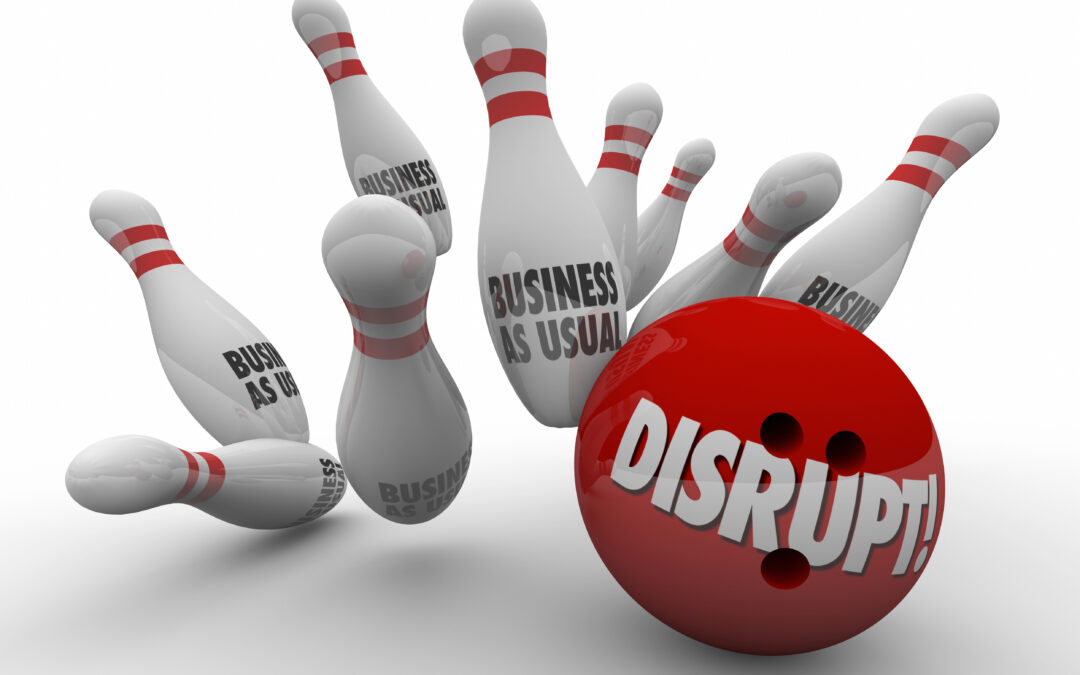
We are not simply experiencing more pressure. We are living through a period of fundamental business reinvention.
The Ground Has Shifted
When we take a step back and look at the wider landscape, the scale of change becomes undeniable.
In the last decade alone, 20% of global companies have gone out of business, while 30% are currently experiencing declining revenues. Even more strikingly, over half of the original Fortune 500 companies have disappeared since the year 2000
These are not small fluctuations or temporary disruptions. They signal a deeper structural shift in how businesses operate and survive.
Alongside this, we are seeing continued waves of layoffs across multiple sectors, combined with the rapid rise of AI and digital transformation. Inside organisations, teams are being asked to deliver more with fewer resources, all while navigating an unprecedented level of change.
Only a few years ago, a major transformation programme might have occurred once or twice a year. Today, the research suggests that the average employee is managing up to ten significant changes at any one time
It is therefore no surprise that people feel stretched and overwhelmed.
The Real Challenge: The Pace of Reinvention
It would be easy to conclude that the issue is simply one of increased pressure. However, I believe the deeper challenge lies elsewhere.
The real issue is the pace at which businesses now need to reinvent themselves.
Historically, business models were designed to last for decades. Many of us grew up with the idea that a successful company could remain stable for a lifetime. That is no longer the case.
Today, the average lifespan of a business model has reduced dramatically, often to as little as three years before it needs to evolve or adapt
This means that standing still is no longer a viable option. Even maintaining the status quo requires active reinvention.
Why Optimisation Is No Longer Enough
In response to these challenges, many leaders naturally turn to optimisation. They refine their strategy, adjust their plans, and seek to improve efficiency within existing structures.
While this approach may have worked in the past, it is often no longer sufficient.
Optimisation assumes that the underlying model is still fit for purpose. Reinvention, on the other hand, acknowledges that the model itself may need to change.
This distinction is subtle but important.
When a business model is no longer aligned with the external environment, pushing harder within that model tends to create friction rather than momentum. Teams become fatigued, decision-making slows down, and energy begins to dissipate.
A Lesson from Nature
Much of my work is inspired by time spent with horses, and they offer a powerful lens through which to view this challenge.
Horses do not respond well to pressure alone. Instead, they respond to alignment, clarity, and congruence. If something feels out of balance, they simply do not move.
I see the same dynamic in organisations.
When the way a business creates value is no longer aligned with the needs of the market, everything begins to slow down. Decision-making becomes more difficult, energy levels drop, and trust can begin to erode.
This is not a reflection of the people within the system, but of the system itself.
Reinvention as a Series of Small Shifts
One of the most common misconceptions about reinvention is that it requires a complete overhaul of the business.
In reality, reinvention is rarely one large, dramatic change. Instead, it is a series of smaller, intentional shifts that collectively create a new way of operating.
In the latest episode of the Impactful Teamwork podcast, I explore fifteen different ways that businesses can begin to reinvent themselves. These are not theoretical concepts, but practical areas where leaders can make meaningful adjustments.
Rather than attempting to address all fifteen at once, the value lies in using them as a lens to identify where your own business may be out of alignment.
Where to Begin
While all fifteen areas are important, there are a few that stand out as particularly relevant in the current environment.
1) Adapting Products and Services
Customers today are often looking for immediate value and practical outcomes. Long-term promises, while still important, are no longer enough on their own.
This may mean rethinking how your products and services are structured, perhaps by creating more flexible offerings or focusing on delivering quicker, tangible results.
2) Elevating the Customer Experience
There has been a clear shift from transactional relationships to experiential ones. Customers are increasingly seeking not just a product or service, but a meaningful experience.
This requires a deeper understanding of the customer journey and a more intentional approach to how clients feel at each stage of their interaction with your business.
3) Diversifying Revenue Streams
Relying on a single source of income can create vulnerability, particularly in uncertain times. Many businesses are now exploring additional revenue streams, such as subscription models or complementary services, to create greater resilience.
4) Rethinking Organisational Structure
Traditional hierarchical models can sometimes slow decision-making and limit responsiveness. An alternative approach, which I refer to as Teamship, focuses on shared leadership, collective accountability, and empowering individuals to take ownership.
When done well, this can significantly increase both agility and engagement.
Culture is no longer simply a background element of the business. It plays a central role in enabling reinvention.
A culture that encourages experimentation, supports learning, and allows people to take calculated risks is essential in an environment where adaptability is key.
The Central Question: Why Do You Create Value?
At the heart of all reinvention lies a single, powerful question:
Why does your business exist?
When there is clarity around this, it becomes much easier to make decisions, align teams, and maintain momentum. Purpose provides direction, particularly in times of uncertainty.
It also creates a sense of meaning that extends beyond targets and metrics, helping both customers and team members to feel more connected to the work being done.
Turning Insight into Action
It is important to emphasise that reinvention does not require you to address every aspect of your business at once.
In fact, attempting to do so would likely create more overwhelm.
Instead, I encourage you to reflect on where things feel slightly out of alignment. Where are processes slower than they should be? Where is energy lower than expected? Where are you holding onto ways of working that no longer serve you?
Often, the answer to these questions will point you towards the area where reinvention is most needed.
Continue the Conversation
In this week’s episode of the Impactful Teamwork podcast, I explore all fifteen reinvention strategies in more detail, along with practical examples and insights to help you apply them within your own business.
If this article has resonated with you, I invite you to listen to the full episode and reflect on how these ideas might translate into your own context.iosity could become one of the most powerful leadership tools in your business.
Show Notes
00:50 AI Reset Reality
03:21 Reinvention Imperative
06:31 Horses And Alignment
07:07 15 Reinvention Lens
07:49 Offer And Platform
09:42 Solutions To Experience
12:33 Revenue And Process
15:41 Teamship And Supply
17:33 Markets And Partners
20:22 Brand Purpose Culture
23:08 The Final Why
23:59 Pick One Shift
25:34 Quiz And Next Steps
by Julia Felton | Apr 28, 2026
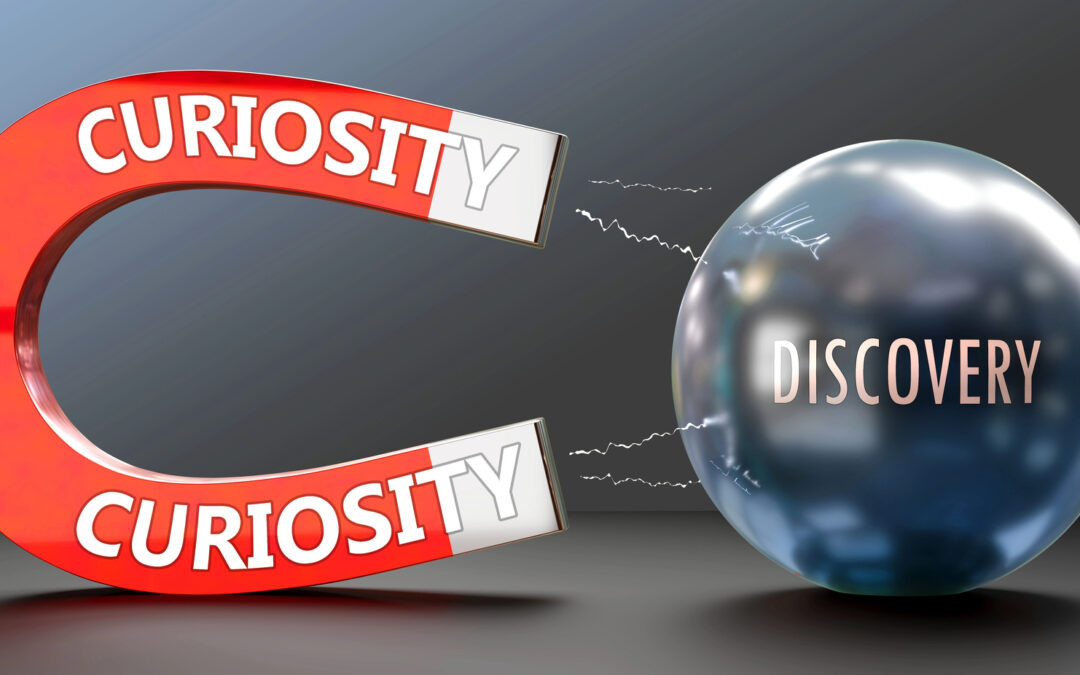
Most leadership teams are not stuck because they lack intelligence, experience or another strategy day in the diary.
They are stuck because somewhere along the way they have stopped asking better questions.
In this week’s episode of Impactful Teamwork, I was joined by Ryan Ware, CEO of Connective Consulting Group, for a powerful conversation about curiosity, change, construction, leadership and what it really takes to bring human connection back into business.
Ryan works in the construction industry, an environment where teams are constantly forming, shifting and reforming around different projects. Rarely do you have the exact same group of people building the exact same thing in the exact same conditions, which makes it a brilliant lens through which to explore teamwork, adaptability and trust.
And yet, despite all that complexity, one of the biggest barriers Ryan sees is painfully familiar.
“We’ve always done it this way.”
That sentence might sound harmless, but in business it can become one of the most expensive phrases a team ever repeats.
The Danger Of Inherited Answers
One of the points Ryan made early in our conversation was how easily we inherit answers without ever stopping to question whether they are still valid.
Someone taught us a process years ago, so we keep using it.
A previous leader made a decision, so we assume it must have worked.
A team has always used a certain approach, so no one wants to be the awkward person who asks whether it still makes sense.
It reminded me of that old story about the woman who cut both ends off the joint of beef before putting it in the oven. When asked why, she said it was because her mother had always done it that way. Her mother said the same about her mother. Eventually, they asked the grandmother, who simply said, “I only did that because my oven was too small.”
How many business practices are really just oversized habits being squeezed into modern ovens?
Curiosity Helps Teams Stop Wasting Time
Ryan shared that one of the reasons curiosity matters so much is because without it, we can waste huge amounts of time, money and energy repeating processes that no one has validated.
In construction, that might mean using a detail or a method because it was used before, without knowing whether it actually worked well last time. In your business, it might look like repeating meeting structures, decision-making habits, reporting processes or handover routines that everyone tolerates but no one trusts.
This is where curiosity becomes deeply commercial.
Curiosity is not about slowing everything down for endless conversation. It is about making sure you are not speeding in the wrong direction with your eyes closed.
When teams are curious, they ask:
- Does this still work?
- Who needs to be involved earlier?
- What are we assuming that might not be true?
- Where are we repeating something because it feels safe?
- What would make this easier, cleaner or more effective?
Those questions do not create delay. They prevent waste.
Why Fear Kills Curiosity
Of course, if curiosity were easy, every organisation would be full of brilliant questions, bold experiments and open conversations.
But they are not.
Because curiosity often requires us to admit that we do not know something, and in many businesses, not knowing still feels unsafe.
Ryan spoke about the fear that sits on both sides of change. Team members can fear looking stupid, being blamed or being judged, while leaders can fear losing control, becoming irrelevant or discovering that something they created no longer works.
This is why curiosity and psychological safety are so tightly connected.
If people believe that asking a question will make them look difficult, slow, inexperienced or negative, they will stay quiet. They will nod along in the meeting, complain in the corridor and then quietly disengage from the change.
And that is where execution starts to drag.
The Human Side Of Change
One of the things I loved about Ryan’s perspective is that he does not treat change as a purely operational challenge.
Yes, there are systems, processes, technologies and commercial outcomes to consider, but underneath every change are human beings trying to make sense of what is happening and what it means for them.
This matters because forced compliance rarely creates sustainable performance.
People might follow the instruction, attend the meeting and use the new system because they have been told to, but that is very different from becoming willing participants in the change.
And this is where leaders need to stop looking for silver bullets and start building connection.
If you are investing in new technology, AI, new operating models or new ways of working, surely you want to know whether your people understand the purpose behind it, believe in the direction and feel connected enough to contribute to the process.
Otherwise, you are not leading change. You are simply announcing it.
Business Is A Living System, Not A Machine
This is where Ryan’s work and my own philosophy really meet.
Too often, we treat businesses like machines. We focus on inputs, outputs, processes and efficiency, then wonder why people feel exhausted, disconnected or resistant.
But business is not a machine. It is a living system.
Like nature, it is made up of relationships, energy, signals, feedback loops and interdependence. When one part of the system changes, it impacts everything else.
That is why siloed decision-making creates so much friction.
The CFO introduces a new system without fully involving operations. Marketing changes the message without connecting with delivery. The CEO drives a new vision, but the leadership team has not created the behavioural alignment needed to execute it.
Everyone is busy, but the system is not joined up.
And when the system is not joined up, momentum leaks everywhere.
Curiosity Moves Teams From Judgement To Understanding
One of the most powerful lines Ryan shared was this:
“If you have time to judge, you have time to be curious.”
That landed deeply for me because judgement is often what fills the gap when curiosity is missing.
We judge someone for not understanding.
We judge another team for being difficult.
We judge a colleague for pushing back.
We judge the pace, the resistance, the silence or the reaction, without ever stopping to ask what might be happening underneath.
Curiosity interrupts that pattern.
It helps us move from “What is wrong with them?” to “What do I not yet understand?”
That shift alone can transform a leadership team because it creates the conditions for better conversations, stronger relationships and faster problem-solving.
Why Relationships Are Strategic, Not Fluffy
Ryan also spoke beautifully about the power of connection, including how he can sit in an airport or hotel and have a two-hour conversation with a complete stranger, leaving more energised than when he arrived.
There is no agenda in those conversations. No transaction. No immediate outcome.
Just curiosity, perspective and human connection.
In business, we often dismiss this kind of relationship-building as a nice extra, something to do when there is time. Yet the truth is that relationships are social capital, and social capital is one of the most valuable assets a team can build.
When people know each other, trust each other and understand what matters to each other, everything moves more easily.
Difficult conversations become less loaded.
Collaboration becomes less forced.
Decision-making becomes less political.
People are more likely to pick up the phone, share information early and solve issues before they become expensive problems.
That is not soft. That is smart.
What Construction Can Teach Every Leadership Team
One of the reasons I was so keen to bring Ryan onto the podcast is that construction provides such a powerful example of dynamic teaming.
Project teams often come together from different organisations, disciplines and cultures. Architects, engineers, contractors, subcontractors, specialists, suppliers and clients all need to work together, often under pressure, with significant financial and safety implications.
That means connection cannot be left to chance.
There has to be a shared understanding of how people will communicate, raise concerns, challenge assumptions and make decisions.
In many ways, this mirrors what is happening in so many organisations today. Teams are more fluid, work is more cross-functional and traditional hierarchy is no longer enough to get things done.
The future belongs to leaders who can create connection quickly, build trust intentionally and keep curiosity alive when the pressure rises.
Curiosity Creates Ownership
Ryan shared a brilliant example from his own leadership experience, where he joined a team that had been through significant change and several different leaders.
He knew that if he came in simply telling people what to do, he would create more resistance.
So instead, he acknowledged what they had been through, created space for honest conversations and invited people to become part of shaping the change.
He did not pretend to have perfect clarity from day one. He told them they would gain clarity through each step, through testing, learning and adapting together.
That is such an important leadership lesson.
People do not need you to have every answer, but they do need to trust how you will navigate the unknown.
When leaders create space for people to contribute, experiment and learn, ownership increases because people are no longer having change done to them. They are helping create it.
Business Needs To Become A Laboratory
One of the phrases I loved from our conversation was Ryan’s idea of treating business like a laboratory.
That does not mean being reckless or careless with risk. It means creating enough safety, structure and curiosity for people to test, learn and improve.
This is something I talk about often through the lens of Teamship.
If you want a team that is adaptable, energised and able to respond to uncertainty, you cannot build a culture where everyone is terrified of getting things wrong.
You need to reward the try.
You need to help people test small, learn quickly and apply that learning to the next decision.
Because if your team only acts when the answer is guaranteed, you will be too slow for the world we are now operating in.
The Leadership Shift We Need Now
The old model of leadership prized certainty, control and having the answer.
The new model requires curiosity, connection and the courage to explore what is emerging.
That does not mean leaders become vague or indecisive. Quite the opposite.
It means they create enough clarity around purpose, direction and guardrails, while also allowing enough freedom for people to think, contribute and adapt.
This is how teams become more resilient.
This is how execution speeds up.
This is how leadership becomes less about one person carrying all the weight and more about the whole herd moving with awareness, trust and shared responsibility.
Practical Ways To Build More Curiosity In Your Team
If you want to bring more curiosity into your leadership team, start with the conversations you are already having.
You do not need a huge initiative. You need better questions and a willingness to listen to the answers.
Try asking:
- Where are we assuming something still works because it used to?
- What are people not saying in meetings that they are saying afterwards?
- Which process creates the most friction for our team or customers?
- Where are we judging another person or team instead of trying to understand them?
- What small experiment could help us learn faster?
- What are we afraid we might lose if this change succeeds?
These are not fluffy questions. They are questions that reveal hidden drag, surface unspoken fears and help your team move from compliance to candour.
Final Thought: Stay Curious, Especially When It Feels Easier Not To
Curiosity is easy when everything feels light, safe and interesting.
The real test is whether you can stay curious when pressure rises, deadlines loom and people behave in ways you do not understand.
That is where leadership lives.
Because curiosity is not about having endless questions with no direction. It is about staying open enough to see what is really happening, brave enough to name what is not working and connected enough to find a better way forward together.
If your team has become stuck, defensive, siloed or slow to act, the answer may not be another strategy session.
It may be a deeper return to curiosity.
Not curiosity as a concept, but curiosity as a practice.
A way of leading.
A way of listening.
A way of building sustainable business momentum in a world that refuses to stand still.
So here is the question I would invite you to take back to your team this week:
Where have we stopped being curious, and what might open up if we started asking better questions again?
Listen To The Full Episode
In this episode of Impactful Teamwork, Ryan Ware and I explore curiosity, psychological safety, human connection, construction teams, AI, change fatigue and what it really takes to build teams that can adapt without losing their humanity.
Listen now and discover how curiosity could become one of the most powerful leadership tools in your business.
Show Notes
01:00 Why Curiosity Matters
02:49 Questioning Old Habits
04:45 Fear and Psychological Safety
07:45 Connecting Humans to Change
12:02 Building Connection on Projects
16:04 Social Capital and Conversations
19:47 Case Study Leading Through Change
24:57 Experimentation and Industry Shifts
30:10 Legacy and Staying Curious
32:29 Where to Find Ryan
34:17 Final Takeaways and Goodbye
You can connect with Ryan at https://www.linkedin.com/in/ryankware/
by Julia Felton | Apr 21, 2026
If you are the leader everyone depends on, it can feel like evidence that you are doing something right. You are trusted, capable, and experienced enough to see across the business and make things happen. Yet there comes a point where being the person everyone turns to stops helping the business move forward and starts slowing it down.
That is when you become the bottleneck.
For many leaders, this does not show up as a dramatic crisis. It shows up as a constant sense that everything still lands back on your desk, that your team needs more input than they should, and that decisions take longer than they ought to. You may have a talented team around you, but if too much still depends on your judgement, your approval, or your presence in the room, then the business is likely suffering from decision drag.
This is why leaders need to coach more. Not because coaching is a fashionable leadership trend, but because it is one of the most effective ways to reduce dependency, build stronger judgement across the team, and create the kind of sustainable momentum that growing businesses need.
What does it mean to be the bottleneck in business?
Being the bottleneck in business often looks deceptively normal from the outside. You are busy, involved, visible and needed. You are in the meetings, making the calls, reviewing the work and helping everyone stay on track. It can easily look like strong leadership.
The problem is that beneath all of that activity, the business may be relying on you far more than it should.
When too many decisions come back to one person, progress begins to slow. Meetings become holding bays rather than places where things move. Team members become hesitant about acting without reassurance. Important issues are escalated upwards when they could have been resolved closer to the work. Over time, the business starts moving at the speed of the leader’s availability rather than the pace the team is capable of.
That is not a sign of a stronger business. It is a sign that too much leadership weight is being carried in one place.
Why leaders accidentally create decision drag
Most leaders do not create bottlenecks because they are power-hungry or controlling. More often, they create them because they are responsible, committed and deeply invested in doing things well.
They care about standards. They care about the team. They care about results. So when someone comes with a problem, they answer the question. When something is stuck, they step in. When a decision feels risky, they make the call themselves because it seems faster and safer in the moment.
That pattern feels helpful, and at first it often is. Yet when it becomes the default way of working, it trains the team to rely on the leader’s thinking rather than strengthening their own.
Instead of developing judgement, people develop the habit of escalation.
Instead of taking ownership, they become cautious.
Instead of moving with confidence, they begin to wait.
This is where decision drag starts to grow, not because the team is incapable, but because the culture has taught them that the hardest thinking still belongs at the top.
Why coaching is essential for modern leadership
If you want to stop being the bottleneck, coaching is one of the most commercially valuable skills you can develop as a leader.
Coaching helps people think better, not just work harder. It develops judgement, confidence and ownership, which means your team becomes more capable of solving problems, making decisions and moving things forward without needing your constant intervention.
This matters because a growing business cannot scale if every meaningful decision still has to travel through one person.
A coaching leader does not rush to provide the answer simply because they have one. Instead, they create the space for stronger thinking by asking better questions and helping people work things through for themselves.
That may sound slower at first, but over time it is far more effective because it builds capability rather than dependence.
Coaching vs controlling in leadership
One of the biggest shifts in effective leadership is the move from controlling to coaching.
Control can create short-term movement, but it usually creates long-term dependency. Coaching, by contrast, may require more intention in the moment, yet it builds the kind of team capability that allows the business to move more quickly and with less friction over time.
When leaders control too much, they remain the centre of the system. They may delegate tasks, but they still hold the context, the authority and the judgement. The work gets handed over, yet the team never fully owns it.
When leaders coach, they do something more powerful. They help people understand the context behind the work, the trade-offs that matter, and the principles that should guide decision-making. In doing so, they are not just handing over activity, they are transferring judgement.
That is where real empowerment begins.
How coaching reduces decision drag
Coaching reduces decision drag because it changes the way a team thinks and operates.
It helps decisions move closer to the information, which means the people nearest to the issue are better able to act without waiting for unnecessary approvals. It reduces the volume of decisions that need to be escalated, which frees the leader to focus on the bigger issues that genuinely require their attention. It also improves the quality of meetings because the conversation shifts away from updates and towards what is stuck, what matters and what needs to move next.
Most importantly, coaching builds a stronger culture of ownership.
When people are encouraged to think, recommend and decide rather than simply report and wait, the whole business becomes more responsive. That creates momentum, and momentum is what many leadership teams are really looking for when they say they want more productivity, accountability and pace.
What horse herds can teach us about leadership and teamwork
This is one of the reasons I often return to the wisdom of horse herds when talking about leadership and teamwork.
In a healthy herd, survival does not depend on one horse doing all the thinking for everyone else. It depends on trust, awareness, responsiveness and shared attentiveness. Leadership exists, but it does not function through constant control. It functions through clarity, presence and connection.
That has enormous relevance for business.
Too many teams become overly dependent on a leader because they have not built enough trust, clarity or shared responsibility into the way they work. The result is hesitation, confusion and over-escalation. By contrast, teams that operate with stronger trust and clearer signals are far better able to respond quickly and effectively when pressure rises.
That is exactly what coaching helps create.
Signs you may need to coach more as a leader
If you are wondering whether this is happening in your business, there are some common signs worth paying attention to.
You may notice that your team regularly brings you problems without offering any recommendations of their own. You may find yourself copied into conversations that do not really require your input, yet people still seem reluctant to act without it. You may see decisions slowing down whenever you are unavailable, or feel that your diary is full of approvals, reviews and escalations that should not all need your attention.
You may also have the nagging sense that although your team is capable, they are still not stepping up in the way you hoped they would.
If that sounds familiar, the answer may not be to push harder or become more directive. It may be to coach more consistently so that your team starts building the confidence and judgement they need to think for themselves.
How to start coaching more in your business
You do not need to redesign your leadership approach overnight. In most cases, the shift starts with changing the way you respond in everyday moments.
The next time someone comes to you with a question, resist the urge to answer immediately. Ask what they think first, and invite them to talk you through their reasoning. When you delegate, do not just pass over the task. Share the context, explain the boundaries, and make clear what they can own without needing to come back to you. In meetings, move the conversation away from broad updates and towards the real friction points. Ask what is stuck, what decision is needed, and who is best placed to make it.
The aim is not to withdraw your leadership. The aim is to stop making yourself the only route through which momentum can flow.
Listen to the podcast episode
In this episode of Impactful Teamwork, I explore why leaders need to coach more if they want to stop being the bottleneck in the business and avoid decision drag.
We look at how dependency builds, why leaders who answer everything often slow down progress without meaning to, and what it takes to create stronger ownership, better decision-making and more sustainable momentum across the team.
If you are finding that too much still depends on you, or if your team feels more hesitant than empowered, this episode will give you a fresh lens on the problem and a practical way forward.
Listen to the latest episode of Impactful Teamwork and discover how coaching more can help you reduce decision drag, build team capability and create healthier momentum in your business.
Show Notes
00:48 Leader Bottleneck Problem
04:10 Hidden Costs and Drag
07:37 Horses and Teamship
08:34 Why Leaders Stop Coaching
11:37 Control Versus Coaching
13:28 Coaching Questions in Action
15:50 Delegate With Judgment
18:46 Trust Lessons From Horses
21:54 Bottleneck Warning Signs
22:46 Three Shifts This Week
You can take the Turbo Charge Your Team Quiz at www.businesshorsepower.com/quiz

by Julia Felton | Apr 14, 2026
How’s that working for you?
That was the line in this conversation that cut through everything.
Not the talk about content.
Not the discussion about websites, messaging or B2B tech.
That question.
Because in one sentence, Anthony Garone got to the heart of what so many leaders and businesses are avoiding. They keep doing what they have always done, keep adding more noise, more effort, more features, more activity, and then wonder why the business still feels muddy, heavy or disconnected.
In this episode of Impactful Teamwork, I sat down with Anthony, founder of Edify Content, to talk about how B2B tech companies can create the sales and marketing content their teams need to win. But very quickly, this became a much bigger conversation about authenticity, leadership, hidden talent, and why some businesses struggle to articulate their value even when they are brilliant at what they do.
If you lead a scaling business, especially in tech, there is a lot in this episode that will challenge your thinking in all the right ways.
The real issue is not just your content, it is your clarity
One of the biggest takeaways from this conversation is that weak messaging is rarely just a marketing issue. More often, it is a symptom of something deeper. Businesses struggle to explain what they do because they are too close to their own assumptions, too tangled in their own language, or too disconnected from what actually matters to the people they want to serve.
Anthony shared how he discovered, almost by accident, that his real superpower was writing. After years in IT and software leadership, he realised that the thing people kept asking him to do was turn complexity into clarity. He could take complicated ideas, technical language and messy thinking, and shape them into something useful, compelling and easy to understand.
That is such an important reminder for leaders, because often the thing that makes you most valuable is not the thing on your job title. It is the thing that comes so naturally to you that you almost overlook it.
Leaders need to get better at spotting hidden brilliance
This part of the conversation really landed for me because it speaks to something I see all the time in teams. There is so much hidden talent sitting inside organisations, but it gets missed because leaders are only looking at people through the narrow lens of their role.
Anthony spoke about how important it is for leaders to really see their people as humans, not just employees. To notice what they are naturally brilliant at. To pay attention to the strengths that may not even be written into the job description. That matters because when people are given space to bring more of who they are to the work, their contribution changes. Their confidence changes. Their energy changes.
This aligns so strongly with what I believe about teamwork and leadership. If you want more ownership, more initiative and more impact from your people, you have to stop managing them like parts in a machine and start leading them like living human beings with talent, instinct and untapped potential. That is where purposeful alignment begins, and that is where teams start to build real momentum.
Authenticity is not soft, it is essential
Another powerful thread in this episode is authenticity, but not in the polished, performative way that word gets thrown around online. This was a much more honest conversation about what happens when leaders start playing the role of leader instead of actually being themselves.
Anthony made the point that many leaders get trapped by their own idea of what a CEO, founder or expert is supposed to look like. They put on the mask. They perform authority. They try to sound right, look right and fit the image. But in doing that, they lose something important. They lose the very thing that makes people trust them.
That matters more than ever right now because trust is not built through titles or image. It is built through congruence. Teams can feel when a leader is real, and they can also feel when they are hiding. Horses, of course, teach us this brilliantly because they respond to what is true, not what is presented. They do not care about the role. They care about the energy, the clarity and the authenticity behind it.
Sometimes the smartest move is subtraction
I loved Anthony’s challenge to the endless business obsession with more.
More content.
More ideas.
More channels.
More plans.
More effort.
More grinding.
Instead, he brought us back to a much sharper question. What needs to go?
That feels especially relevant for leaders who are trying to create momentum but are already carrying too much. Sometimes the issue is not that you need another strategy. Sometimes the issue is that you are still dragging around things that no longer work, no longer fit, or no longer deserve your energy.
Nature understands this. Growth is not just expansion. It is release, too. Shedding what is complete. Conserving energy. Letting go of what is no longer alive so something stronger can emerge. Businesses are no different, even if we often try to run them as if they are machines instead of living systems.
Be unreasonable
Anthony’s closing message was simple and provocative. Be unreasonable.
Not reckless. Not chaotic. But unwilling to settle for stale logic, tired formulas and a version of success that no longer feels true. Too many leaders are being “reasonable” in ways that are quietly draining the life out of their business. They keep going with things that are not working. They keep following advice that does not fit. They keep polishing the surface while ignoring the truth underneath.
This episode is an invitation to do something different.
To get honest.
To get clearer.
To stop hiding behind the role.
And to ask yourself the question that sits underneath all of it:
How’s that working for you?
What you’ll take away from this episode
You’ll hear why your greatest strength may be something you have overlooked because it comes too naturally to you.
You’ll be reminded that the people in your team may have untapped gifts that are never revealed if you only ever engage with their job title.
You’ll hear a powerful challenge around authenticity and why leadership becomes far more effective when you stop performing and start telling the truth.
And you’ll be invited to rethink whether the next breakthrough in your business comes from adding more, or from stripping away what no longer serves.
Listen to the full episode
If you are building a business, leading a team, or trying to communicate your value more clearly in a noisy world, this episode will give you plenty to reflect on.
It is sharp, thoughtful, a little provocative, and full of insight for leaders who are ready to stop doing leadership the old way.
Go and listen.
Then be unreasonable enough to change what is no longer working.
Show Notes
00:46 Meet Anthony Garone
01:36 Finding a Writing Superpower
04:43 Leaders Unlock Hidden Talent
07:41 Authenticity at Work
09:47 Subtract to Lead Better
12:57 How Is That Working
15:20 Reject the Grind Mindset
19:39 Music Channel and DNA
24:56 Calling and Being Unreasonable
27:46 Final Takeaways and Wrap
You can connect with Anthony at https://www.linkedin.com/in/anthonygarone/
by Julia Felton | Apr 7, 2026
Most teams do not lose momentum because they are lazy. They lose momentum because they stop learning.
They get busy. They get careful. They get good enough.
The meetings keep happening. The dashboards stay full. The updates sound polished. But underneath the surface, curiosity starts to thin out, risk-taking drops, hard conversations get postponed, and the team slowly shifts from improving to maintaining.
That is a dangerous place to be.
In this latest episode of Impactful Teamwork, I unpack what it really takes to build a team that does not just perform once, but keeps getting better. The spark for this conversation came from Ron Friedman’s Harvard Business Review article, How to Build a Superteam That Keeps Getting Better, which draws on survey data from more than 6,000 knowledge workers across industries. In that research, “superteams” stood out because they were rated highly for effectiveness and comparative performance, and they shared three common strengths: they managed time, energy and attention more efficiently, they actively made one another better, and they kept building skills and improving over time.
That last point matters more than ever.
Because in today’s business world, strong teams are not enough. You need teams that can adapt, learn, and evolve without everything relying on one exhausted leader at the top.
Why continuous improvement matters now
The old leadership model told us that if we hired smart people, gave them targets, and checked performance often enough, results would follow.
Sometimes they did. But that approach is wearing thin.
Today’s teams are operating in a world of accelerated change, rising complexity, shifting customer expectations and constant noise. In that kind of environment, the real competitive advantage is not just talent. It is a team’s ability to learn faster than the pressure around it.
That is why this subject fits so naturally with my own work on the Unbridled Teamship Roadmap, where the aim is to move teams from silo mentality, minimal effort and resistance towards seamless unity, purposeful alignment and radical reinvention. That happens by strengthening Game-Changing Trust, Impactful Contribution and Unbridled Adaptability.
In other words, high performance is not just about output. It is about whether the team can keep growing.
Superteams experiment more
One of Friedman’s clearest findings is that superteams experiment more often. In fact, his research found that superteams reported experimenting nearly 50% more often than average teams. He also found that leaders of superteams were three times more likely to reward intelligent risk-taking, even when outcomes fell short, and that superteams were 30% more open to trying new things and 39% more comfortable taking risks than average teams.
That is a huge clue. The best teams are not waiting for certainty before they move. They are learning in motion.
This is where many leadership teams get stuck. They say they want innovation, but what they actually reward is caution. They say they want ownership, but they keep pulling decisions back uphill. They say they want initiative, but people learn very quickly that visible failure is not safe. Then they wonder why progress slows down.
If you want a team that keeps getting better, experimentation cannot be a special event. It has to become part of the team’s rhythm. Small tests. Fast learning. Honest review. Less drama, more discovery. That is also why I so often talk about rewarding the try. A team that is scared to try something new and untested, is a team that will eventually stall.
Curiosity is a leadership discipline
Another powerful theme from the article is curiosity.
Friedman found that leaders of superteams were 33% more likely to admit they lacked important information, 56% more likely to ask thoughtful questions, and 53% more likely to show genuine interest in learning from employees. He also references Google’s landmark study on 180 teams, which found that psychological safety was the strongest predictor of team performance.
That matters because curiosity is not a soft leadership trait. It is strategic.
Curiosity makes it possible for truth to enter the room. It gives teams permission to question assumptions, name uncertainty and learn from people who do not sit at the top of the hierarchy.
The old leadership model says, “I need to know.” The better model says, “I need to notice.” What am I missing? What is changing? Who else sees this differently? What do we not yet understand?
In nature, herds survive because they remain alert and responsive. Horses are constantly sensing their environment, reading signals, and adjusting together. They do not thrive by pretending everything is fine. They thrive by staying aware. That same quality is needed in human teams.
Stop using meetings as performance theatre
One of my favourite ideas from Friedman’s piece is the question many leaders avoid asking:
What are you stuck on?
His research found that superteam leaders were 43% more likely than average team leaders to steer discussion towards problems that need solving. He also points to Scrum’s three core stand-up questions: What did I work on yesterday? What will I work on today? And what is blocking my progress?
This is where so many teams leak energy. They use meetings to report progress, not reveal friction.
Everyone sounds capable. Everyone sounds busy. Everyone sounds on top of it. Meanwhile, the real blockers stay hidden.
But you cannot solve what no one is allowed to name.
If your leadership team wants to improve, meetings need to become places where obstacles can be surfaced early, not buried under polished updates. Teams need permission to say, “This is stuck.” “This is unclear.” “This is not working.” “I need help.”
That is not weakness. That is maturity.
Good leaders stay connected to the work
Friedman also challenges the idea that leaders should always stay out of the weeds. He argues that the best leaders remain close enough to the work to model standards, spot roadblocks and identify where the next improvement may come from. He makes an important distinction between healthy involvement and micromanagement. Strong leaders build capacity by working shoulder to shoulder with their teams, while micromanagers hover and take over. He also cites research showing that managers who work alongside their teams feel more energised and effective, while those who manage from a distance report higher stress and exhaustion.
This is an important tension. Leaders do need to let go. But they also need to stay connected. Detachment can create drift just as easily as control can create dependency.
The question is not whether you are involved. The question is whether your involvement builds capability or weakens it.
Feedback should fuel growth, not fear
Another standout finding from the article is around feedback. On superteams, more than 90% of workers say their leader delivers feedback that motivates improvement without sounding critical. Friedman also cites a review of more than 600 studies showing that feedback makes performance worse in more than a third of cases when it is delivered badly. The article highlights the importance of treating mistakes as useful data and notes that Adobe’s shift from annual reviews to shorter, informal check-ins saved 80,000 work hours and reduced voluntary turnover by 34%.
That should make every leader stop and think. Because badly delivered feedback does not create growth. It creates defensiveness. People start protecting themselves rather than stretching themselves.
The best teams make feedback feel like support. They use it to sharpen, not shame. They create an environment where learning can stay alive, especially when things have not gone to plan.
The real work of building a better team
If you want a superpowered team, one that keeps getting better, the work is not about adding more pressure. It is about creating better conditions.
Conditions where:
- experimentation is normal
- curiosity is visible
- blockers can be named
- leaders stay connected
- feedback helps people grow
- meaning stays alive
This is also deeply aligned with what I believe about teamship. Great teams are not built by command and control. They are built through trust, alignment, contribution and adaptability. They move like healthy living systems, not rigid machines.
And that is the heart of this podcast episode. If your team looks capable on the outside but progress still feels heavier than it should, this conversation will help you see why.
Ready to learn more?
In this week’s episode of Impactful Teamwork, I go deeper into these seven shifts and share practical ways to help your team become more honest, energised and adaptive. Because the future will not belong to the teams that look the most polished. It will belong to the teams that keep getting better.
And if you want to discover where your own team may be strongest, and where it may be slowing itself down, take the Turbo-Charge Your Team quiz. My framework is designed to help leaders identify what needs to shift so their teams can build stronger trust, more meaningful contribution and greater adaptability over time.
If this has stirred something in you, go and listen to the podcast.
Show Notes
00:00 Teamwork Advantage
01:24 Super Team Research
02:27 Teamship Mindset
03:55 Experiment Often
06:49 Lead With Curiosity
08:58 Name The Blockers
11:13 Lead Close To Work
13:40 Feedback That Fuels
17:37 Support Growth Beyond Roles
20:50 Purpose Over Metrics
23:01 Seven Step Recap
24:17 Design A Superpowered Team

by Julia Felton | Mar 31, 2026
How do you show up as a leader when the old playbook no longer works?
That was the heart of my latest conversation on Impactful Teamwork with transformational coach Sheila Belanger, and honestly, it felt like opening a door many leaders know is there, but have not yet had the courage to walk through.
Because let’s be honest.
So much of the way we have been taught to lead is no longer fit for purpose. The pressure, the pace, the noise, the endless strategic thinking, the over-reliance on logic, all of it can leave leaders disconnected from the very wisdom that would help them lead more clearly.
In this episode, Sheila and I explored what it really means to resource yourself as a leader, especially when you are navigating uncertainty, change, reinvention, or the messy in-between space where the old way has stopped working but the new way is not yet fully formed.
And that matters because leadership does not start with your team.
It starts with you.
That idea sits at the centre of everything I believe about leadership too, that leadership is an inside-out job, that business is an ecosystem, and that the way we lead has to move from control and siloed effort towards connection, collaboration and shared responsibility.
We do not need more strategy alone, we need deeper self-leadership
One of the most powerful ideas Sheila shared was this, leaders need to activate ways of knowing that sit underneath the strategic mind.
Not instead of strategy.
Alongside it.
She spoke about three powerful sources of intelligence that many leaders have been conditioned to ignore:
- heart wisdom
- gut instinct
- imagination
That landed deeply with me.
Because for years in business, leaders have been rewarded for being rational, polished and in control. But being hyper-strategic while being disconnected from your body, your intuition and your emotional truth is not wise leadership. It is often just sophisticated self-abandonment.
And the cost of that is high.
You lose presence.
You lose discernment.
You lose your ability to sense what is really happening in the room.
In my own work with horses, this is exactly what gets revealed. Horses respond to what is true, not what is polished. They do not care about job title, authority or performance. They respond to congruence, presence and clarity. If you are scattered, guarded or disconnected, they know. If you are grounded and authentic, they know that too.
Before you lead others, get back into your body
One of the simplest but most important practical takeaways from this conversation was this, before you can access your deeper knowing, you need to get back into your body.
Sounds obvious.
Yet most leaders live from the neck up.
They rush from meeting to meeting, react to emails, carry stress in their nervous system, and call it productivity. Meanwhile, their body is waving red flags they are too busy to notice.
Sheila’s invitation was beautifully simple:
Pause.
Breathe.
Feel your feet on the ground.
Notice your body.
Connect with the earth.
This is not fluffy. This is foundational.
Because when you are back in your body, you are no longer leading from panic, performance or pressure alone. You are leading from presence.
And presence changes everything.
It changes the quality of your decisions.
It changes how safe other people feel around you.
It changes whether your team experiences you as reactive or resourced.
This is also why I believe so strongly in experiential work. Real leadership growth does not happen just because you heard an idea in a webinar. It happens when you embody it, experience it, and feel the shift in real time. That is where deeper learning lives.
Your inner team matters just as much as your external one
This was another mic-drop moment from the episode.
Sheila talked about the importance of stewarding your inner team.
In other words, noticing which part of you is leading right now.
Is it your grounded, wise, steady self?
Or is it your wounded inner child, your triggered rebel, your exhausted over-functioner, your fear-based controller?
So many leadership challenges are not just outer team problems.
They are inner leadership problems.
You can build the most talented senior team in the world, but if the part of you holding the keys is the scared, overstretched, hyper-vigilant version of you, then you will still create drama, confusion or drag.
This is why self-awareness is not a luxury for leaders. It is a responsibility.
When we ignore our inner ecosystem, we hand the wheel to parts of ourselves that were never meant to lead the whole show.
And that is where burnout, poor decisions, over-control and unnecessary conflict begin.
Leadership on the edge requires resourcing, not more force
Sheila described her work as helping people navigate the edge.
I loved that phrase.
Because so many leaders are on the edge right now.
The edge of reinvention.
The edge of identity change.
The edge of growth.
The edge of no longer being willing to run their business, team or life in the old way.
That edge can feel destabilising. You know something is over, but you do not yet know what the new form is.
And this is where most people retreat.
They go back to what is familiar.
Back to overwork.
Back to control.
Back to the version of leadership that looks acceptable from the outside but quietly drains the life out of everyone involved.
But the answer is not to force your way through the unknown.
The answer is to resource yourself enough to stay with it.
To breathe.
To listen.
To regulate.
To stay open.
To let the wiser part of you lead.
That is where real reinvention begins.
And frankly, it is one of the reasons I have long believed that the future of leadership has to become more nature-led. Nature does not force everything into a straight line. It works in cycles, rhythms, adaptation and intelligent response. Business needs more of that too.
Trust starts with how you show up
Another beautiful thread through this conversation was trust.
Not trust as a slogan.
Trust as an energetic reality.
In horse herds, trust is what keeps the herd safe. It is built through presence, consistency and clear signals. Human teams are not so different. Trust grows when leaders are authentic, calm, congruent and emotionally present.
If you say one thing and your energy says another, people feel it.
If you ask your team to be brave, but you punish honesty, they feel it.
If you want initiative, but micromanage everything, they feel it.
This is why the way you show up matters so much.
Leadership is not just what you say.
It is what people experience in your presence.
The real invitation from this episode
This conversation was not really about ancient wisdom, energetics or elements in isolation.
It was about remembering.
Remembering that you are not a machine.
Remembering that leadership is relational.
Remembering that your body carries intelligence.
Remembering that your team do not just need your intellect, they need your grounded presence.
Remembering that self-care is not indulgent when other people rely on your steadiness.
And remembering that in a world obsessed with speed, the most powerful thing a leader can sometimes do is pause long enough to hear what is true.
Key takeaways from this episode
1. Leadership starts with self-leadership
If you cannot regulate, resource and lead yourself, you will struggle to lead others well.
2. Strategy is not enough
Great leadership also requires emotional intelligence, body awareness, instinct and imagination.
3. Your body is giving you data all the time
Breath, tension, fatigue and nervous system signals all matter. Ignore them and your leadership suffers.
4. Your inner team shapes your outer impact
Notice which part of you is driving the car before you make important decisions.
5. Trust is built energetically, not just verbally
People feel your congruence, your steadiness and your authenticity before they believe your words.
6. Reinvention requires resourcing
When you are on the edge of change, forcing harder is rarely the answer. Supporting yourself better usually is.
Your next step
So here is my invitation to you.
Pause for a moment and ask yourself:
Who is driving the car right now?
Is it the part of you that is grounded, wise and connected?
Or is it the tired, reactive, over-functioning version that has been holding too much for too long?
This week, choose one small act of self-resourcing before your next important conversation or meeting.
Breathe.
Step outside.
Feel your feet on the ground.
Put your hand on your heart.
Look out of the window.
Slow down long enough to come back to yourself.
Because the future of leadership will not be built by people who can just do more.
It will be built by leaders who know how to come home to themselves, trust what they sense, and lead in a way that creates more steadiness, more truth and more life in the system.
And that is a model of leadership I am very happy to stand for.
If this conversation has stirred something in you, listen to the full episode of Impactful Teamwork and start noticing what your own inner ecosystem might be trying to tell you.
Show Notes
00:00 Why Leadership Must Change
01:39 Meet Sheila Belanger
03:12 Beyond Strategic Thinking
05:09 Practical Body Heart Tools
09:12 Animal Instinct and Horses
11:42 Steward Your Inner Team
14:40 Elemental Spiral Seasons
18:49 Edge Work in Uncertainty
22:36 Self Care and Maintenance
26:21 Resources and Closing Takeaways
Connect with Sheila and take the free elemental spiral quiz. https://ontheedgesofchange.com/