


The Story That Changes Everything
There is a moment in nature that I return to often when I work with leadership teams.
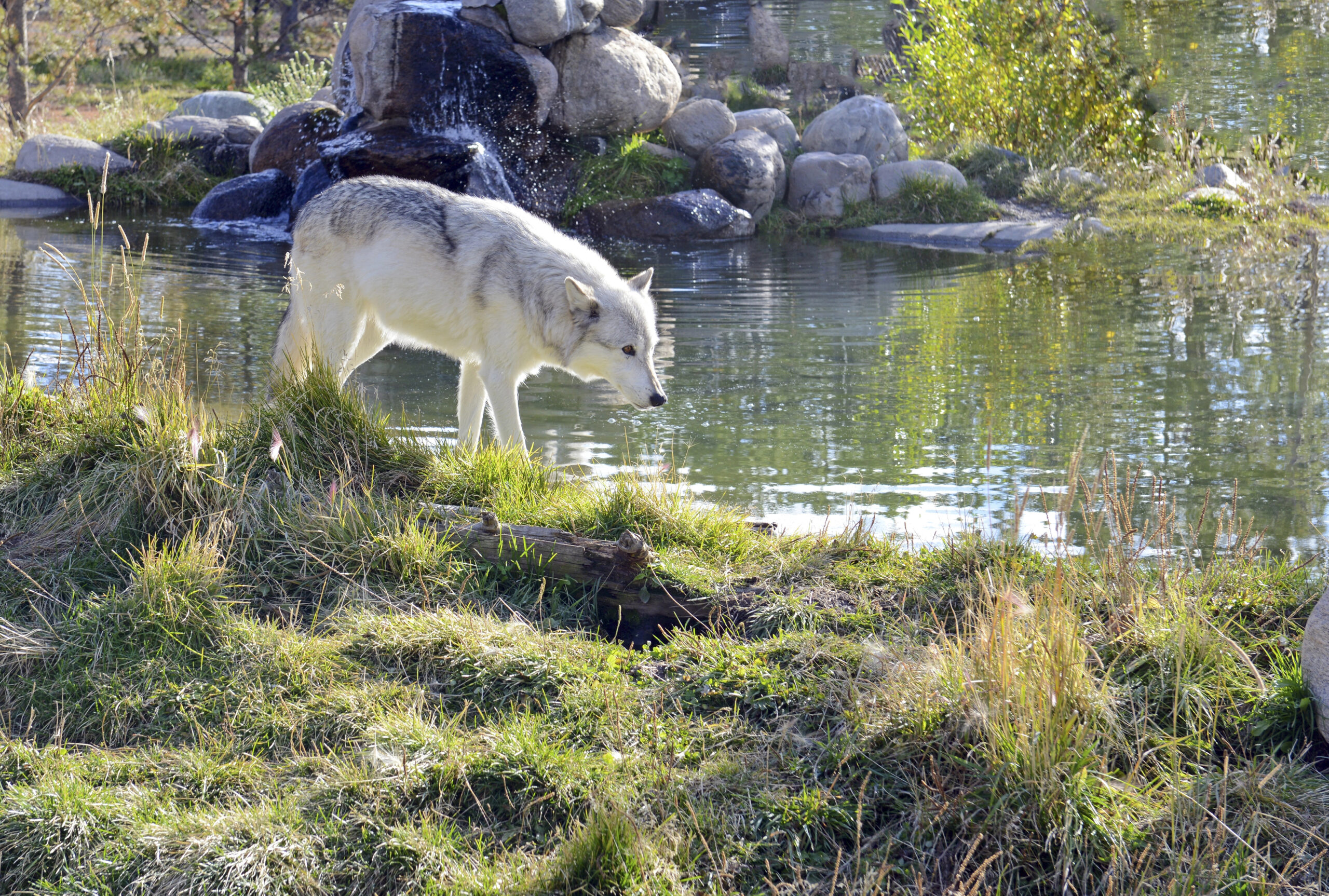
When wolves were reintroduced to Yellowstone National Park in 1995, nobody predicted what would happen next. The rivers changed course. Trees came back. Fish populations recovered. Songbirds returned. A single restored relationship rippled through the entire ecosystem and regenerated what decades of imbalance had depleted.
One relationship. Systemic change.
That is what regenerative leadership looks like. And it is, quite possibly, the most important leadership lesson that most organisations have never been taught.
The Leadership Model We Inherited Is Costing Us More Than We Realise
Most of the leaders I work with are highly capable, deeply committed, and quietly running on empty. Not because they are doing the wrong things. Rather, because they are running the right person through the wrong operating system.
The dominant leadership model in most organisations today builds on extraction. Leaders treat workers as costs. Departments function as silos. Organisations measure success at the expense of something, usually people, culture, or long-term resilience. We rarely name that cost directly, but it shows up nonetheless. Talent quietly walks out of the door. Teams wait for your decision rather than making one. Meetings fill with people who are physically present and mentally elsewhere.
Research tells us that 86% of business failures stem from silo mentality and poor collaboration. Only 14% of teams operate with genuine cross-functional unity. Furthermore, 83% of employees report change fatigue, even as organisations face relentless pressure to adapt, grow, and reinvent.
These are not engagement problems. They are leadership system problems. And the solution has been right in front of us the entire time.
Nature Is the World’s Oldest Regenerative System
Over the past decade, I have studied horse behaviour alongside high-performance business models. What I found is that the two share considerably more in common than most leaders expect.
Horse herds have navigated uncertainty and sustained high performance for millions of years. Not through hierarchy and control, but through shared leadership, collective awareness, and absolute alignment behind a shared direction.
In a wild herd, the lead mare sets direction from the front. Meanwhile, the stallion leads from behind, protecting the group and developing the next generation of leaders. The lieutenants sense danger before anyone else and step forward when the herd needs them. Every single herd member knows their role and stays accountable to it. Those who fail to fulfil their role move to the edge of the herd.
Leadership in the herd is never a given. It is constantly re-earned.
The herd does not do teamwork. It practises teamship. That distinction matters enormously.
Teamwork Is Something People Do. Teamship Is Something a Group Becomes.
Teamship is the shift from individuals cooperating on tasks to a team that genuinely co-owns outcomes. Leadership becomes shared. Every person understands their role and steps into it fully. The whole is held together by mutual trust and aligned direction rather than by one person carrying everything.
Most leaders I speak with know instinctively that they need this. Almost none have fully built it. Not because they lack commitment, but because the model they are running concentrates all the accountability at the top. When the leader always has the answer, the team stops looking for one. Consequently, decisions pile up, strategic thinking stalls, and the leader works harder than anyone while producing the least strategic output on the team.
This is what I mean when I say that the most capable leaders often become the ceiling of their own business.
What Regenerative Leadership Actually Requires
Regenerative leadership is not a softer version of leadership. It is a more intelligent one, oriented towards creating the conditions in which both the organisation and the people within it continue to grow and adapt over time, rather than extracting value until the system degrades.
Here are three things regenerative leaders do differently.
They treat relationships as infrastructure. Not a cultural nice-to-have, but the actual mechanism through which the business functions under pressure. When relationships fray, the organisation loses knowledge, continuity, and trust. Those things are not quickly or easily rebuilt. As a result, the regenerative leader creates deliberate, regular space for honest conversation, not performance reviews or project updates, but genuine dialogue about what is working, what is not, and what everyone is privately holding back.
They redistribute accountability deliberately. The most common pattern in scaling businesses is a leader who has become the decision-making bottleneck. Every significant call flows through them, and the team waits. The shift is deceptively simple: identify the decisions your team makes most frequently that still require your input, then ask whether they genuinely need your expertise or simply your permission to stop needing it. Give them that permission explicitly, and hold them to it.
They develop their attention, not just their intention. Most leaders carry excellent intentions but genuinely poor attention. So deep in their own internal monologue, managing anxiety, planning their next response, tracking their next meeting, they fail to read what is actually happening in the room. A leader who cannot sense the energy of their team or notice what is not being said makes decisions with incomplete data every single day. In a volatile business environment, presence is not a soft skill. It is a competitive advantage.
Listen to the Full Episode of Impactful Teamwork
Is your organisation organised to extract from its people, or to regenerate with them? Are you the ceiling of your business, or the catalyst?
In the latest episode of the Impactful Teamwork podcast, I explore every idea in this article in full. We cover the Yellowstone story and what it tells us about relationship infrastructure, what a horse herd reveals about shared leadership that two decades of business school cannot, and how the behaviours that feel like high performance are often the ones quietly sabotaging regenerative leadership from the inside.
You will also hear the three practical strategies you can start using this week, in your next team meeting, in the next decision that crosses your desk, and in how you choose to show up when the room is waiting for you to speak.
Listen now on Spotify, Apple Podcasts, or at businesshorsepower.com/podcasts.
And if this has landed somewhere real for you, if you recognise your own leadership pattern or your team in what you have read here, the next step is a conversation. Not a sales call. A real conversation about what regenerative leadership could look like in your specific organisation, with your specific team.
Book a call with me directly at businesshorsepower.com.
The barn has been teaching this all along. The boardroom is finally ready to listen.
Show Notes
00:47 Nature Inspired Leadership
01:53 Yellowstone Regeneration
04:07 Extraction Leadership Trap
07:08 Accountability Breakdown
08:30 Lichen Interdependence
10:12 Horse Herd Teamship
13:25 Three Regenerative Principles
14:21 Regenerative Leadership Practices
18:41 Sabotage Patterns
22:49 Choose Regeneration
24:03 Closing And Subscribe