


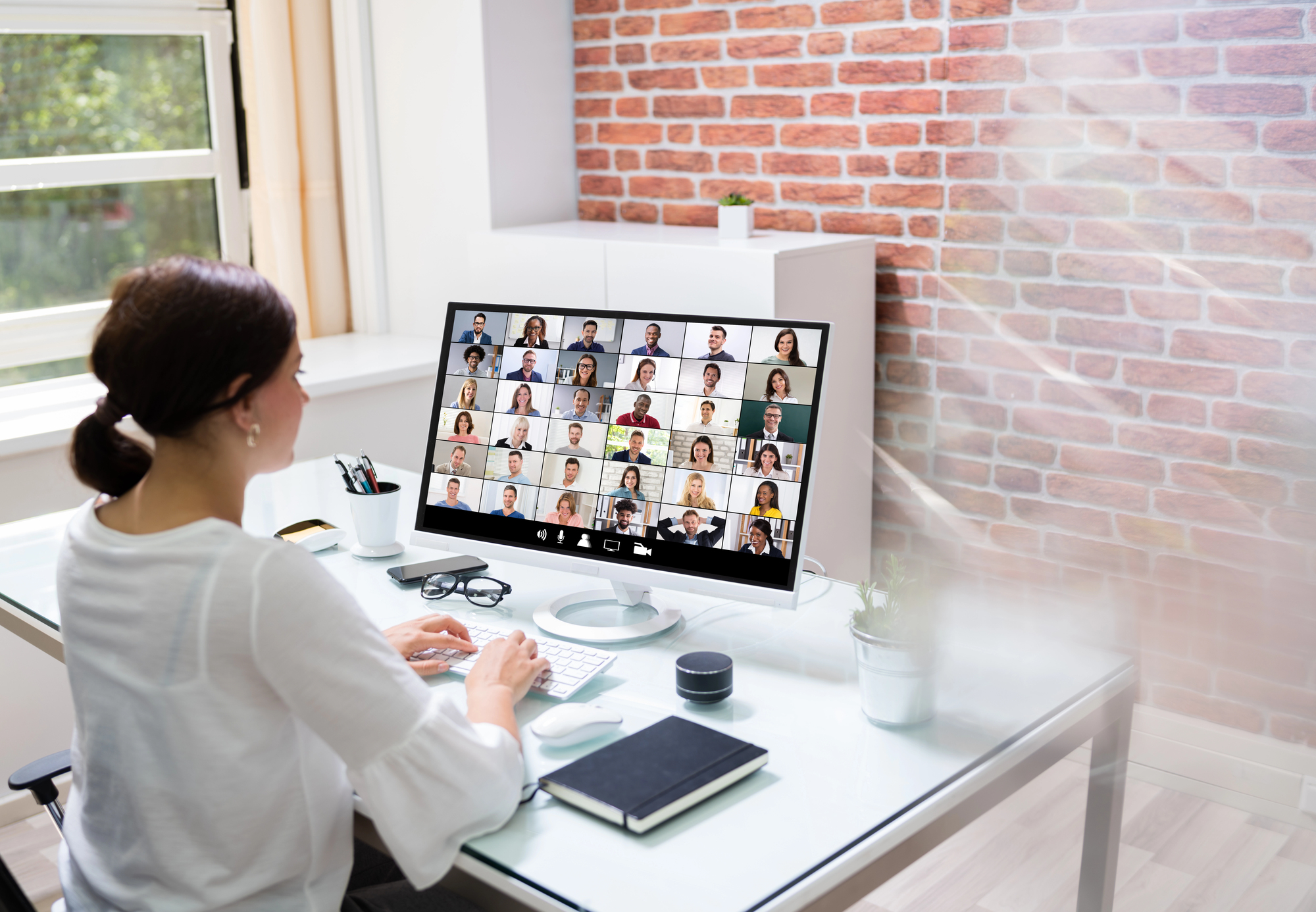
Most leaders don’t realise how much influence they lose the second they switch on a webcam.
In the boardroom, they’re confident, intentional, switched on.
Online?
They look like they’ve joined witness protection.
Giant forehead. Echoey audio. Distracting background clutter. Eyes staring at the screen instead of the people.
Trust slips. Engagement dies. Authority evaporates.
And because remote meetings now are the boardroom, this problem is no longer cosmetic. It’s existential.
So I brought in someone who lives and breathes this work.
This week on Impactful Teamwork, I was joined by Alfred Poor – keynote speaker, technology expert, and virtual-presentation specialist. His mission? Helping founders and leaders show up online with influence, clarity, and credibility.
This conversation was one of the most practical we’ve ever had.
Below is a full breakdown plus action steps you can implement today.
The 75% Reality Check
Gartner predicts that 75% of all business meetings in the US will be online. For many of us, it’s already higher.
Video calls are no longer the convenient option.
They are the core arena where leadership happens.
Hiring, firing, pitching, influencing, decision-making, problem-solving, performance reviews, investor conversations…
All increasingly happening through a lens.
As Alfred says:
“Video meetings are the new telephone… and also the new boardroom.”
If you are not intentional about how you show up, you’re choosing to undermine your own impact.
The Pandemic Broke Our Standards
Before COVID, only a handful of leaders used video regularly. After COVID, everyone was suddenly on screen with no training, no intention, no thought.
People slapped open laptops on kitchen counters.
Harsh lighting. Terrible angles. Distracting backgrounds.
Everything rushed. Nothing considered.
That “make do” mentality never reset.
But influence doesn’t happen by accident. It happens by design.
Alfred’s work boils virtual leadership down to three non-negotiables:
1. Be seen
2. Be heard
3. Minimise distractions
That’s it.
Simple. Powerful. Game-changing.
Let’s break them down.
1. Be Seen – Your Presence Matters
Online presence isn’t vanity. It’s leadership.
If people can’t clearly see your face, your eyes, your gestures, or your emotional cues, you lose authority. You lose connection. You lose trust.
Here’s what Alfred hammered home.
Fix your lighting
Most leaders have awful lighting because they rely on whatever room they happen to be in.
The fix is simple:
- Use two lamps with plain white shades
- Choose daylight bulbs (slightly blue, more flattering)
- Avoid yellowish light
- Move ring lights off-centre so you don’t flatten your face
- If you wear glasses, beware of those bright white donuts of reflection
Lighting doesn’t need to be expensive. It needs to be considerate.
Fix your framing
No more giant head. No more “up the nose” horror angle.
- Raise your camera to eye level
- Move it further back so your torso is visible
- Aim for the framing you’d see on BBC or Sky News
- Keep your gestures in your natural “power zone” (centre of your chest)
This instantly makes you appear more grounded, engaging, and trustworthy.
Fix your eye contact
Looking at people’s faces on screen feels like eye contact.
It isn’t.
Eye contact online = looking at the camera.
Alfred’s 50p hack:
Stick a pair of googly eyes next to the lens and talk to them.
Ridiculous. Effective. Transformative.
2. Be Heard – Your Voice Carries Your Leadership
Audio is the most underestimated part of virtual presence.
If your sound is muffled, echoey, or inconsistent, people stop listening. They drift. Their brain has to work harder, and that means they switch off.
Avoid your laptop mic
It picks up:
- Room echo
- Background noise
- Harshness
- Every tap on your keyboard
Better options
- USB mic (like the Blue Yeti in cardioid mode)
- Lavalier mic clipped to your clothing
- Headset if needed, especially in noisy environments
Tame the room
Hard surfaces create echo.
You don’t need a studio. You need softening:
- Curtains
- Cushions
- Rugs
- Even a blanket thrown over a table
If you wouldn’t hold a leadership meeting in a tiled bathroom, don’t sound like you’re sitting in one.
3. Minimise Distractions – Your Background Is Part of Your Brand
This is where leaders lose trust without realising it.
Stop using virtual backgrounds
Yes, I’m saying it.
Yes, Alfred said it too.
Your hair disappears.
Your hands glitch.
Your chair vanishes.
You look like a hologram.
It’s distracting, disorienting, and quietly damaging to your credibility.
If you haven’t thought about your background, people will wonder what else you haven’t thought about.
Better options
- Tidy real background
- Plain wall
- Photographic backdrop hung on a clothes rail
- A simple brand element like your logo or a company colour
And for the love of trust-building, remove anything:
- Messy
- Personal
- Political
- Strange
- Half-drunk
Your background speaks before you do.
A Big Mistake: Hiding Behind Slides
For years, screen sharing has meant:
Slide covers the screen.
Your face becomes a tiny postage stamp.
On a real stage, leaders never hide behind the screen.
They stand in front of it.
Alfred showed a brilliant alternative:
Use tools that allow your face and slide together.
You remain present.
Your authority stays intact.
Your message lands.
Even without fancy tools, you can:
- Speak to camera first
- Share the slide briefly
- Return to camera to anchor the message
Your presence is the presentation.
The Leadership Truth Underneath It All
This episode wasn’t really about cameras, lights, or microphones.
It was about leadership.
How you show up online reveals your:
- Intentionality
- Credibility
- Attention to detail
- Professionalism
- Authority
- Trustworthiness
If your team sees chaos behind you, they unconsciously question how you lead.
If your audio is unclear, they question your clarity.
If your lighting is off, they question your presence.
If you stare down at the screen, they question your confidence.
Your virtual environment is a leadership signal.
Make it a powerful one.
Action Steps You Can Implement Today
1. Record yourself on Zoom or Teams
Watch yourself back with brutal honesty.
Notice your lighting, framing, sound, background, and eye contact.
2. Improve one thing this week
- Raise your camera
- Add better lighting
- Clean your background
- Fix your audio
Leadership is built in micro-shifts.
3. Create a team virtual-presence standard
Your organisation needs shared agreements on:
- What “professional” looks like
- How backgrounds should appear
- Audio expectations
- How slides are presented
This enhances trust, clarity, and collective influence.
Final Word
Virtual leadership is not about turning yourself into a YouTuber.
It’s about bringing your real, grounded authority into the medium where leadership now lives.
After this episode with Alfred Poor, one thing is clear:
Remote influence is no longer optional. It’s a core leadership skill.
And when you master how you show up online, your team listens more deeply, your clients trust you more quickly, and your message travels further with less effort.
Listen to the full episode for the deeper insights.
Your virtual presence is part of your leadership legacy.
Start refining it today.
Show Notes
00:00 Introduction and Guest Welcome
01:23 The Importance of Virtual Meetings
04:30 The 75% Solution Explained
08:51 Lighting Tips for Virtual Meetings
14:55 Framing and Camera Setup
20:14 Lighting and Camera Quality
20:39 The Importance of Eye Contact
22:09 Virtual Backgrounds: Pros and Cons
23:22 Trust and Authenticity in Virtual Meetings
28:27 Effective Use of Microphones
33:38 Engaging Presentations with OBS Studio
36:38 Practical Tips for Leaders
36:55 Conclusion and Resources
You can connect with Alfred at: www.alfredpoor.com
Video Meeting Blueprint: https://alfredpoor.com/video-meeting-blueprint
Booking link for a free call: https://BookAChatWithAlfred.com